
Cultural Capitals Connected – Lifestyle Journeys Across Northwestern Europe

Northwestern Europe's major cities sit close enough together that moving between them by rail feels less like long-distance travel and more like changing neighbourhoods. This article covers London, Amsterdam, Paris, and Brussels as a connected circuit – what each city delivers for culturally minded travellers, how the rail infrastructure ties them together, and what the smaller towns between them add to a slower itinerary.
Paris – Beyond the First Impression
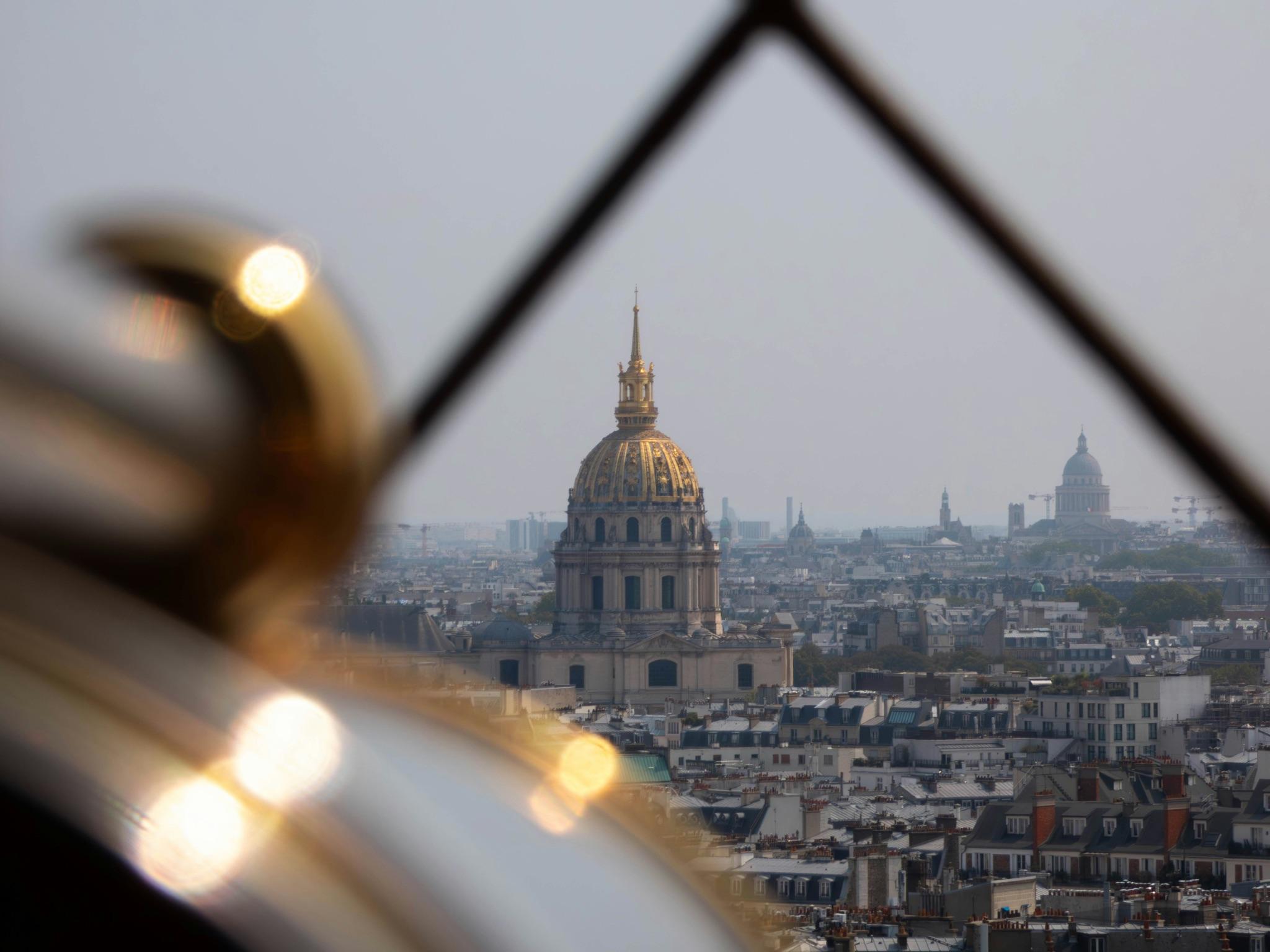
Paris is the most visited city in the world and also one of the most misread – the version that most visitors experience, concentrated in the first and second arrondissements and along the Seine, represents a fraction of a city of two million people whose residential neighbourhoods operate with barely a nod to the tourist economy. The 11th and 20th arrondissements in the east, connected by the Canal Saint-Martin, have a density of independent restaurants, wine bars, and music venues that draw Parisians rather than visitors – the area around Oberkampf and Ménilmontant on a weekday evening is a more accurate picture of how the city actually socialises than anything on the Île de la Cité. The Palais Royal gardens, tucked behind the Louvre complex and somehow consistently overlooked, have arcaded walkways, independent bookshops, and a café terrace that functions as a genuine neighbourhood amenity for the first arrondissement residents who use it daily. The weekly markets scattered across the city – Marché d'Aligre on Tuesday through Sunday, Marché des Batignolles on Saturday, Marché de la Création on Sunday in Montparnasse – are the most reliable way to encounter Paris functioning as a city rather than a set piece. Versailles is thirty-five minutes by RER from central Paris and the gardens, best visited on a weekday in spring before the heat arrives, cover enough ground that the palace itself can be skipped without feeling shortchanged. The train from Paris to London on Eurostar takes two hours and fifteen minutes from Gare du Nord, passing through the Channel Tunnel and arriving at St Pancras – a connection that closes the northwestern European circuit and turns London, Amsterdam, Brussels, and Paris into a single coherent itinerary rather than four separate trips.
London – Depth Over Surface
London resists being summarised because it operates simultaneously as a medieval city, a Victorian imperial capital, a postwar reconstruction project, and a contemporary financial centre, and the layers sit on top of each other without resolving into a single character. The South Bank between Waterloo Bridge and Tower Bridge concentrates more cultural institutions within walking distance than almost any equivalent stretch in Europe – the Tate Modern in the former Bankside Power Station, the Globe Theatre reconstruction, the Hayward Gallery, the National Theatre, and the BFI Southbank are all reachable on foot from each other without crossing a single major road. The British Museum in Bloomsbury holds a collection assembled over three centuries of imperial reach that raises ongoing questions about repatriation – the Elgin Marbles, the Benin Bronzes, and the Rosetta Stone among the most contested – and the institution's handling of those questions is itself a subject worth engaging with before arriving. Borough Market beneath London Bridge has been a food market in some form since the thirteenth century and its current incarnation, running Thursday through Saturday, sells produce, street food, and specialist ingredients that draw professional cooks alongside ordinary shoppers. The London to Amsterdam train through the Channel Tunnel and across Belgium takes just under four hours from St Pancras International on the Eurostar service, arriving at Amsterdam Centraal with no airport transit on either end – a connection that makes the two cities feel genuinely proximate rather than separated by international travel.
Amsterdam – Canals, Collections and a City Built on Compromise
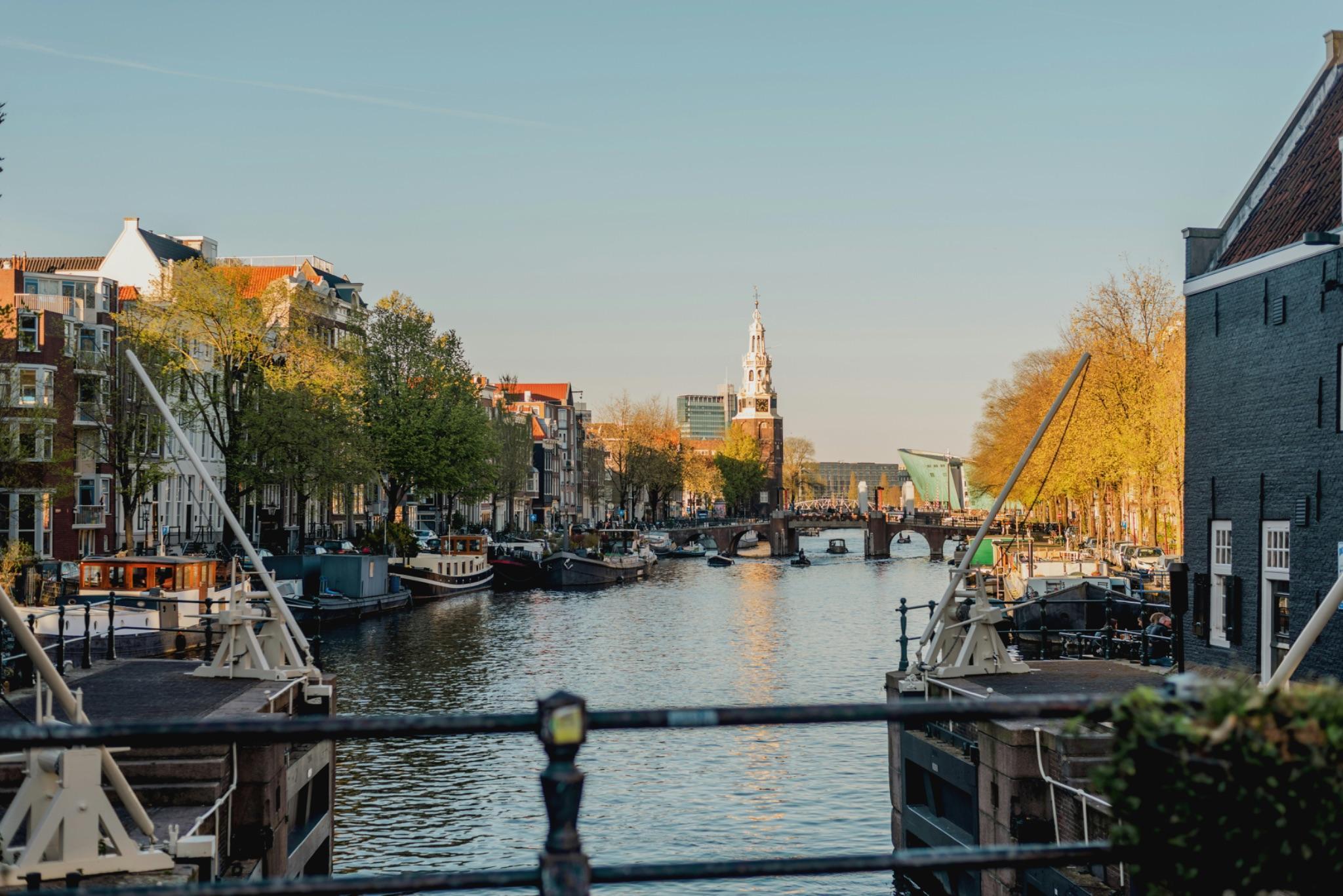
Amsterdam was engineered rather than grown – the canal ring constructed in the seventeenth century as the city expanded outward in concentric arcs required draining marshland, driving wooden piles into soft ground, and managing water levels across an entirely artificial geography. That engineering achievement is now a UNESCO World Heritage Site and the canal houses lining the Herengracht, Keizersgracht, and Prinsengracht are the physical record of the merchant wealth that paid for it. The Rijksmuseum's permanent collection covers Dutch and Flemish painting from the fifteenth through the nineteenth century with a depth that rewards several visits – the Night Watch alone, a canvas four and a half metres wide displayed in a gallery designed specifically around it, takes time to read properly at close range. The Van Gogh Museum beside it holds the largest collection of the painter's work in the world, including 200 paintings and 500 drawings, and the chronological hang makes the development of his technique across a decade of intense production unusually legible. The Jordaan neighbourhood west of the main canal ring was a working-class district of craft workers and immigrants in the seventeenth century and is now the most expensive residential area in the city – its narrow streets, independent galleries, and Saturday morning market at Noordermarkt retain a scale and texture that the tourist-facing canal streets lack. Haarlem, fifteen minutes by train from Amsterdam Centraal, has a medieval market square and the Frans Hals Museum with a collection of Golden Age portraiture that rivals anything in the capital, visited by a fraction of the same crowd.
Brussels – A City Doing Several Things at Once
Brussels is the most underestimated capital in northwestern Europe, routinely treated as a transit point between London, Amsterdam, and Paris rather than a destination with its own considerable substance. The Grand-Place, the central market square ringed by guild houses with gilded baroque facades, is one of the best-preserved medieval commercial squares in Europe and functions as a genuine public space rather than a pedestrianised tourist zone – the flower market, the weekly markets, and the surrounding café terraces draw residents as consistently as visitors. The Comic Strip Museum in a Victor Horta-designed Art Nouveau warehouse covers Belgium's outsized contribution to the form – Tintin, the Smurfs, Lucky Luke – with enough archival depth to hold the attention of readers who grew up with the work. The Matonge neighbourhood in Ixelles, named after a district in Kinshasa and home to the largest Congolese community in Europe, has African restaurants, hair salons, fabric shops, and a cultural life that reflects Belgium's unresolved relationship with its colonial history in the most direct and human terms available.
The Smaller Cities Worth the Detour
Between London, Amsterdam, Brussels, and Paris lie a series of cities that appear on the rail map but rarely on itineraries, and several of them repay a deliberate stop. Ghent in Belgium, forty minutes from Brussels, has a medieval canal system, three towering Gothic churches visible simultaneously from the Graslei waterfront, and a university population that keeps its food and nightlife culture genuinely active. Bruges, another forty minutes west, is smaller and more tourism-dependent but the preserved Flemish medieval architecture around its market square and the Groeningemuseum's collection of Early Netherlandish painting – Jan van Eyck, Hans Memling – are worth the visit outside peak summer months. Lille in northern France, reachable from both Paris and Brussels in under an hour by TGV, has a Flemish old town, a covered market hall, and the Palais des Beaux-Arts with the second largest fine art collection in France after the Louvre – a claim few visitors have heard and fewer have tested.
Conclusion
London, Amsterdam, Brussels, and Paris form a circuit dense enough to sustain two weeks of serious cultural travel without repetition, and the rail connections between them are frequent and fast enough that moving between cities feels like a natural continuation rather than a logistical event. Add Ghent, Bruges, or Lille for the days between the capitals and the itinerary fills out into something that covers northwestern Europe's range properly rather than skimming its surface.


Crazy Time-Style Games and Why the Format Works

The Psychology of Risk: Why Roulette Has Fascinated Players for Centuries

The 4 Casinos Leading the Way in Making High RTP Part of the Appeal

How to Build a More Social, Joyful Weekly Routine

How to Plan Leisure Spending with Clear Limits

I Turned One Boring Product Video Into Five Different Styles Without Reshooting Anything

Optima Tax Relief Explains How Bonus Depreciation Works for Real Estate

Standard Chartered predicts Bitcoin will reach $100,000: A guide to cryptocurrency mining that can earn $40,000

Dr. Janette Nesheiwat on the Fentanyl Crisis: Progress Made, Work Remaining
