
Sunlit Amalfi Shores and Florence’s Artistic Treasures

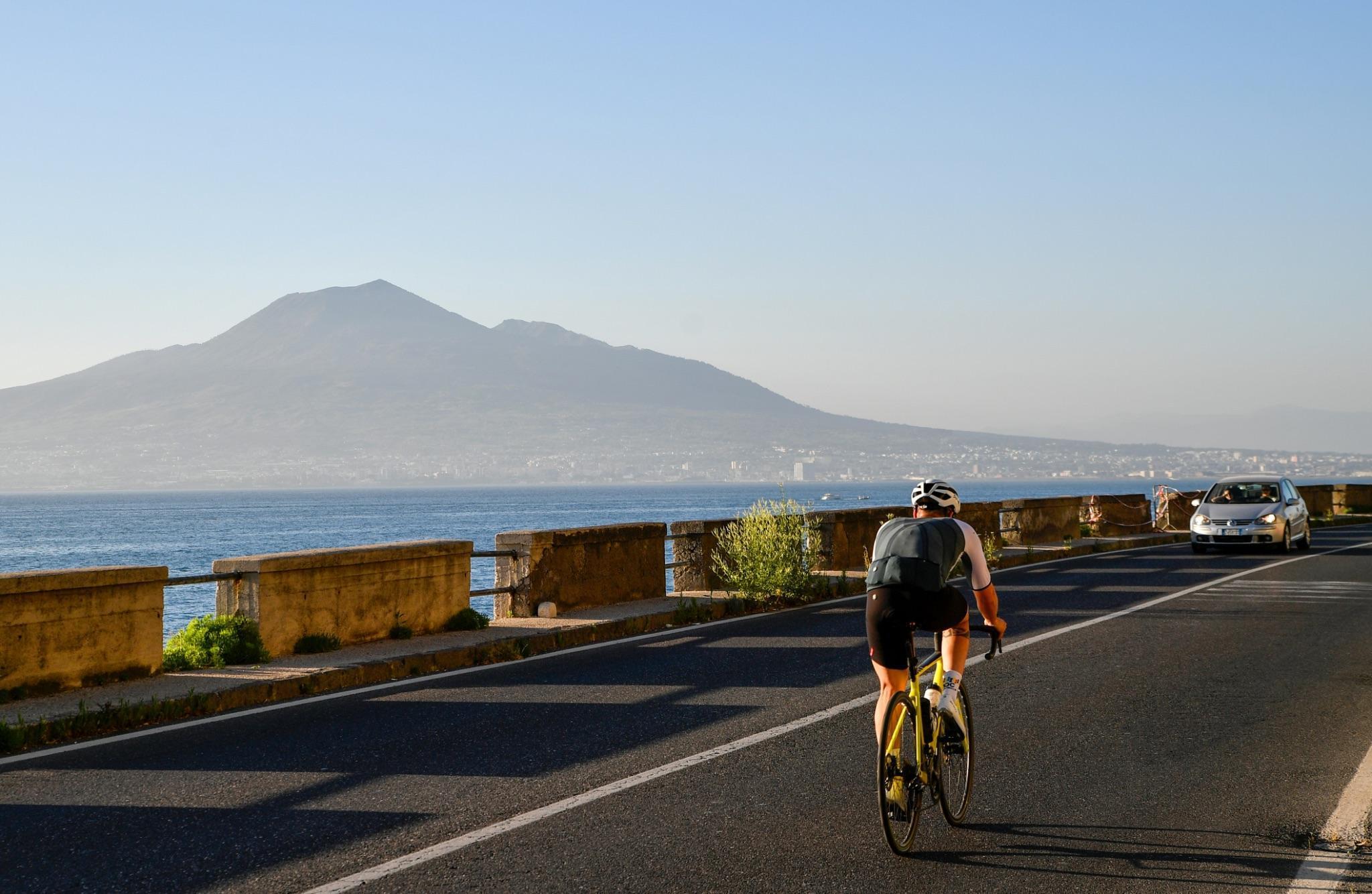
The Amalfi Coast and Florence are not obvious travel companions – one is coastal, seasonal, and built around the physical fact of a cliff face above the sea; the other is an inland city of museums, churches, and stone streets. What connects them is the quality of attention they demand, and the way both refuse to be rushed.
The Amalfi Coast on Its Own Terms
The Amalfi Coast runs for about 50 kilometres along the southern edge of the Sorrento Peninsula in Campania, and the terrain that makes it so visually arresting is the same terrain that makes getting around it complicated. The cliff road – the SS163 – is a single carriageway in most places, and the buses and trucks that use it require passing manoeuvres that take some adjustment if you’re not used to them. This is worth knowing in advance not as a deterrent but as a reason to base yourself in one place and move by ferry rather than road when possible. The ferry services connecting Amalfi, Positano, Ravello’s nearest port at Minori, and Salerno run frequently in summer and give you the coastline from the water, which is the most useful angle for understanding how the villages relate to each other and to the cliffs above them.
Amalfi Coast tour packages vary considerably in what they actually cover, and the distinction between a coach tour that moves you along the SS163 between stops and a smaller itinerary that allows time in individual villages is significant. Ravello, perched 350 metres above the sea, is the village most worth lingering in – the Villa Cimbrone gardens run to a clifftop belvedere with a view along the coast that has been described by writers and painters for two centuries, and the village itself is quiet enough in the early morning to feel like a different place from the crowds below. Atrani, a five-minute walk east of Amalfi town, is one of the smallest municipalities in Italy and sits in a narrow cleft in the cliffs with a small beach, a church, and almost no tourism infrastructure – a completely different experience from its famous neighbour.
What the Coast Produces
The Amalfi Coast’s relationship with its landscape goes beyond scenery. The lemons grown on the terraced groves above the villages – sfusato amalfitano, a variety specific to this coast – are larger, thicker-skinned, and less acidic than standard lemons, and the limoncello made from them in Amalfi and Minori is a different product from the supermarket version. The fishing boats that still work out of Amalfi and Cetara bring in anchovies that are salt-cured on the premises of producers in Cetara and pressed into colatura di alici – a fermented anchovy sauce that has been made here since at least the 13th century and is the reason Cetara is worth an hour of any food-oriented visitor’s time. The local cuisine along the coast is built around these ingredients and the pasta, seafood, and preserved goods sold in the small shops and markets in the inland villages are generally of higher quality and lower price than anything on the waterfront.
Moving North to Florence
The Milan to Florence train on the Frecciarossa high-speed line takes just under two hours, making the cities easily combinable in a longer Italian itinerary. From the Amalfi Coast, the most practical routing is to travel north from Salerno or Naples by high-speed train to Florence, which takes around three hours from Naples on the fastest services. Florence’s Santa Maria Novella station is central enough that most of the city’s main sites are within 20 minutes on foot, and the city’s compact historic centre – a UNESCO World Heritage Site – makes arriving by rail and navigating without a car entirely practical.
Florence rewards a different pace from the Amalfi Coast. Where the coast encourages lingering in one place and moving between villages by water, Florence is a city for walking between specific things with intention – the Uffizi, the Duomo, the Bargello, the Oltrarno neighbourhood south of the Arno. The Oltrarno is the part of the city that feels most like a working neighbourhood rather than a heritage site; the streets around Santo Spirito and San Frediano have a concentration of craftspeople, small restaurants, and local shops that the north bank has largely lost to tourism. The leather workshops, picture framers, and furniture restorers working in the ground-floor botteghe of the medieval buildings here represent a continuity of craft that the city’s art history makes easy to overlook.
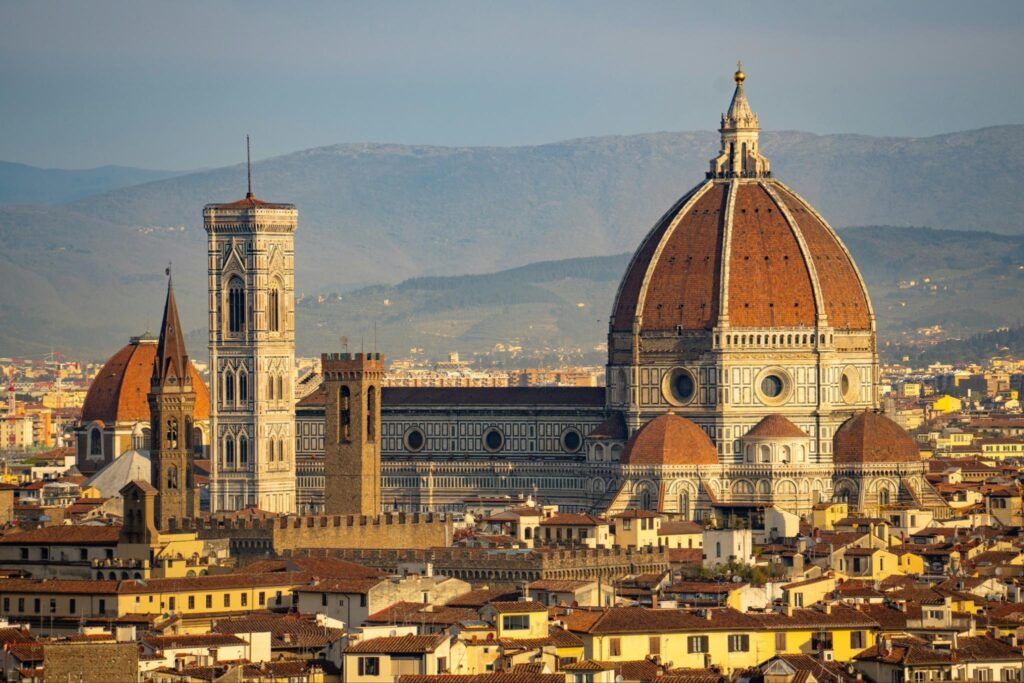
Florence’s Collections Beyond the Uffizi
The Uffizi is the obvious starting point for anyone coming to Florence for the art, but the city’s other collections are less visited and in some cases more surprising. The Bargello, housed in the city’s former prison and courthouse, holds the most important collection of Italian Renaissance sculpture outside the Vatican – Donatello’s David (the bronze version, made decades before Michelangelo’s) and his Saint George stand in the same room and show the range of what one sculptor could achieve within a single career. The Museo dell’Opera del Duomo, rebuilt and expanded in 2015, holds the original sculptural programme from the cathedral exterior including Ghiberti’s Gates of Paradise and Michelangelo’s unfinished Bandini Pietà, displayed in a purpose-built space that allows you to see them at eye level.
The Brancacci Chapel in the church of Santa Maria del Carmine in the Oltrarno contains frescoes by Masaccio and Filippino Lippi that were among the most studied works in Italy during the 15th century – Michelangelo, Leonardo, and Raphael all came here to study Masaccio’s figures. Entry is timed and limited to small groups, which makes it one of the few places in central Florence where you can look at great art without crowds pressing in on both sides. Booking in advance is required and worth the small effort.
The Arno and the Hills
Florence’s geography is easy to overlook when the museums absorb most of the attention. The Arno runs through the city at a level that puts the river close to the streets, and the Ponte Vecchio – the bridge lined with goldsmiths’ shops since the 16th century – is the most direct connection between the north and south banks. Walking the lungarno, the roads that run along both banks of the river, in the early evening when the light comes in low from the west, is worth doing at least once. The Piazzale Michelangelo on the hill above the south bank gives the panoramic view of the city that appears on most Florence postcards, and arriving there by foot via the rose garden below it rather than by bus avoids the coach-tour dynamic of the viewpoint itself.
The hills above Florence – Fiesole to the northeast, Settignano further east, Arcetri to the south – are accessible by city bus and each has a character that makes them worth half a day. Fiesole has Roman ruins, an Etruscan archaeological site, and a view back over Florence from its hilltop piazza that is arguably better than Piazzale Michelangelo for being less managed. The olive groves and villa gardens on the slopes between Fiesole and the city are the landscape that appears in the backgrounds of Florentine paintings, and seeing them makes those backgrounds suddenly legible in a way that changes how you look at the paintings afterward.
Conclusion
The Amalfi Coast and Florence work well in sequence precisely because they require different things. The coast slows you down physically – the terrain, the ferries, the heat – and Florence asks for a different kind of slowness, the kind that comes from standing in front of something for long enough to actually see it. Together they cover a significant range of what makes Italy worth returning to.


Online Casino Promotions: Pros & Cons and the Ideal Offers In 2025

Why Internal Linking Matters for Website SEO

Leading AI Video Generators for Creators in 2026

Optima Tax Relief Explains What an IRS Audit Lawyer Does and How They Protect You

The Physiology of Good Decisions: How Damian Creamer Manages Energy, Not Just Time
Leading AI Video Generators for Creators in 2026

Stakeholder Capitalism’s Persistent Advocate: Lynn Forester de Rothschild and the 2026 ESG Rankings
Why Internal Linking Matters for Website SEO
Optima Tax Relief Explains What an IRS Audit Lawyer Does and How They Protect You