
Budget vs. Value- Where to Spend—and Where to Save—on Bathroom Upgrades

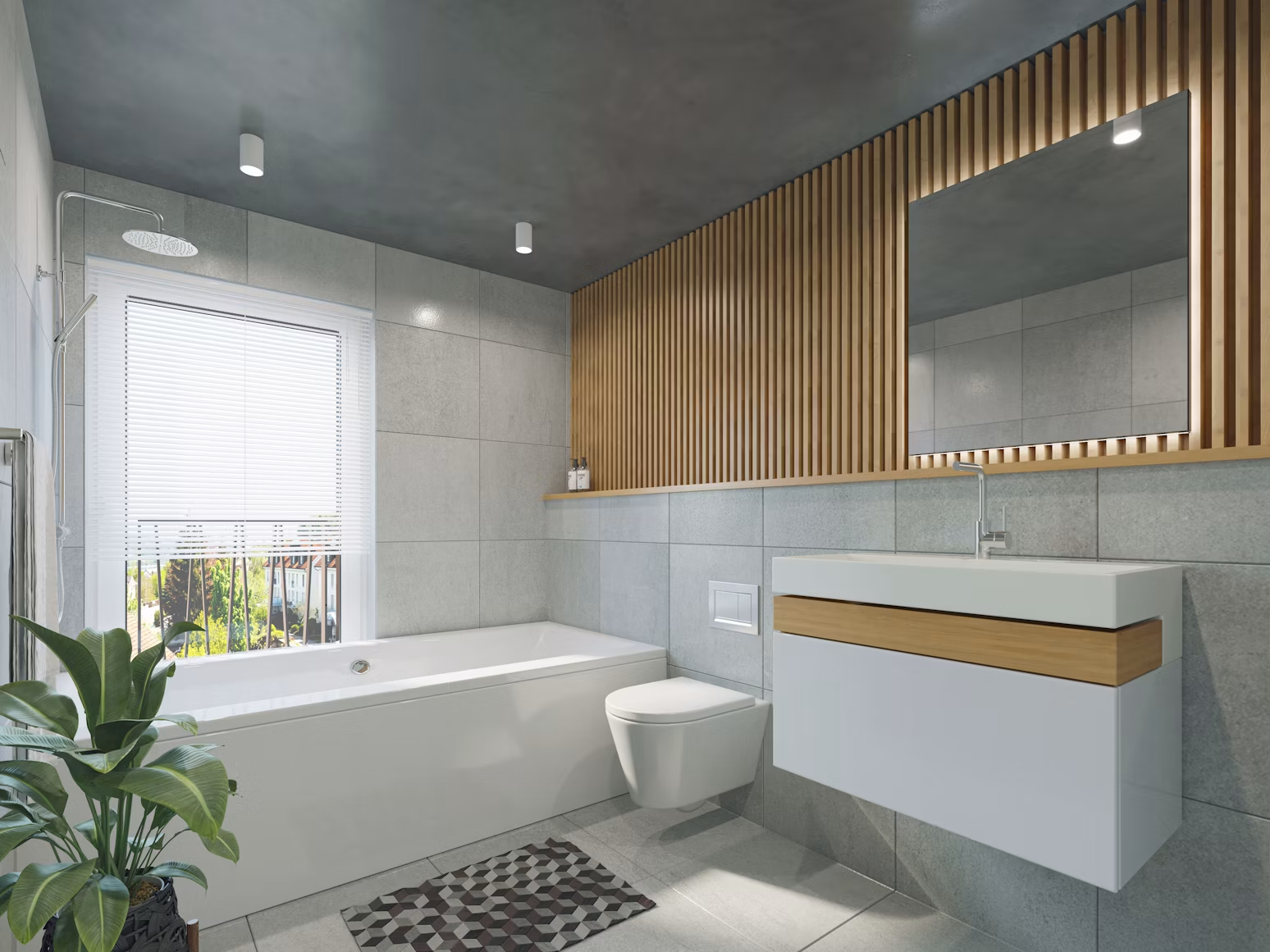
When most homeowners start planning a bathroom renovation, one question usually comes first: “How much should I budget?” It’s a practical place to begin. After all, renovations are investments, and it’s only natural to want every dollar to count.
But as planning begins, many homeowners wonder: Which specific upgrades, such as energy-efficient lighting or water-saving fixtures, will provide the most long-term value? Clarifying these options helps you prioritize investments that truly pay off over time.
Some improvements look impressive in photos but rarely change how you experience the space. Others seem simple at first, yet become the features you appreciate every single day. The difference isn’t always found in the price tag—it’s found in how often an upgrade improves your routine long after the renovation is complete.
Think back to a hotel bathroom you’ve genuinely enjoyed using. Chances are, you don’t remember exactly what faucet it had or the brand of tile on the walls. What you probably remember is how effortlessly everything worked. There was enough storage. The lighting was flattering. The countertop stayed organized. The room simply felt comfortable.
That’s the difference between spending money and creating value.
A successful bathroom renovation isn’t just about choosing stylish materials or following trends. It’s about understanding which upgrades, such as moisture-resistant finishes or durable hardware, will stand the test of time and require minimal maintenance, ensuring your investment remains valuable for years to come.
If you’re deciding where to allocate your renovation budget, here’s how to think beyond cost and focus on lasting value.
Invest first in the features you’ll use every day.
Some bathroom upgrades are purely decorative, others become part of your routine every single morning and every single evening. Those are the upgrades worth prioritizing.
Few elements have a greater influence on how a bathroom functions than the bathroom vanity. It’s where you begin your day, prepare for work, wind down in the evening, and store the items you reach for most often. It affects organization, countertop space, storage, and even how spacious the room feels.
A poorly designed vanity creates daily frustration. Drawers become overcrowded, toiletries compete for countertop space, and keeping the bathroom organized feels like an ongoing chore.
A thoughtfully designed vanity does exactly the opposite. It creates a place for everything, making the room feel cleaner, calmer, and easier to use without extra effort.
That’s why many designers recommend beginning a bathroom renovation with the vanity rather than the accessories around it. Once this central piece is right, the rest of the room tends to fall into place more naturally.
If there’s one place where investing in quality tends to pay off, it’s the bathroom vanity. That’s why many homeowners begin their renovation with brands like Ariel Bath, where durable construction and thoughtful storage are designed to stand up to everyday use rather than simply look good on installation day.
When deciding where your budget should go, start with the pieces that work the hardest.
Spend on What You’ll Touch Hundreds of Times
One of the simplest ways to decide whether something is worth the investment is to ask yourself a different question: How often will I actually use this?
It’s easy to justify spending hundreds of dollars on decorative features that catch your eye during a showroom visit. But over time, those aren’t the details that shape your experience.
Instead, think about the features you physically interact with every day.
- The vanity drawers you open every morning.
- The countertop where you prepare for the day.
- The faucet you turn on dozens of times each week.
- The cabinet doors should close smoothly rather than slam shut.
These small interactions happen so frequently that they become almost invisible—until they don’t work well.
Soft-close drawers, quality hardware, moisture-resistant finishes, and durable countertops may not be the most glamorous upgrades, but they’re often the ones that provide the greatest long-term satisfaction.
Good design isn’t always about what you notice immediately. Often, it’s about what never becomes a problem.
Save on the Details That Are Easy to Change
Not everything deserves a premium budget. In fact, some of the easiest places to save are also the easiest to update later.
Decorative accessories like towels, artwork, or small plants are easy to update later and don’t require a large budget. Including these flexible elements allows you to refresh your bathroom’s look over time without significant expense or disruption.
Styles evolve. Your preferences change. Seasonal décor comes and goes.
Unlike cabinetry or countertops, these items can be replaced gradually without disrupting the entire room.
The same applies to decorative accents. A beautiful candle, a textured hand towel, or a carefully chosen piece of artwork can elevate a bathroom without requiring a significant investment.
Saving in these areas gives you more flexibility to invest where it truly matters.
Don’t mistake trends for long-term value.
Every year brings a new list of “must-have” bathroom trends. One season, it’s a bold, patterned tile. Next are colorful fixtures or highly specific finishes.
There’s nothing wrong with enjoying current trends. Still, balancing them with timeless choices, such as neutral color palettes and classic hardware, helps homeowners feel reassured that their bathroom will remain appealing for years.
Neutral color palettes. Natural materials. Simple cabinetry. Classic hardware. A well-proportioned bathroom vanity.
These choices have remained popular not because they’re exciting for a single season, but because they continue to feel fresh year after year.
If you love a bold trend, consider introducing it through accessories, paint, or décor instead of permanent fixtures. It’s a much less expensive way to keep your bathroom feeling current without committing your renovation budget to something you may outgrow.
Organization is worth more than decoration.
People often assume that expensive materials define luxurious bathrooms. In reality, what makes many high-end hotel bathrooms feel so inviting is something much simpler.
They’re organized – Countertops remain clear. Storage is intuitive. Everything has a place, helping homeowners feel more in control and less frustrated daily.
It’s interesting how we rarely photograph hotel bathroom drawers, yet they’re one of the reasons those spaces feel so effortless to use.
When toiletries disappear neatly into drawers instead of competing for counter space, the room instantly feels larger and more peaceful. That’s why investing in better storage often creates a greater sense of luxury than investing in additional decoration.
A spacious bathroom vanity with thoughtfully designed drawers doesn’t simply hold more items—it removes visual clutter, making the room feel calmer without changing its size.
Sometimes, the most valuable upgrade isn’t adding something new. It’s giving the things you already own a better place to live.
Never Compromise on Quality Construction
There are certain parts of a renovation where cutting costs usually becomes expensive later: cabinet construction, Installation, Water resistance, and quality hardware.
These aren’t the details visitors notice first, but they’re often the details homeowners appreciate most after years of everyday use.
Bathrooms experience constant humidity, temperature changes, and frequent cleaning. Materials that aren’t built for those conditions tend to show wear much sooner than expected: warping, loose hinges, swollen cabinetry, peeling finishes.
These problems rarely appear overnight, but when they do, they can quickly overshadow the savings made during the renovation. Choosing durable materials from the beginning often proves more economical in the long run.
Quality isn’t always about buying the most expensive product. It’s about buying something that won’t need replacing long before it should.
Think About Cost Per Use
Here’s an exercise that can completely change how you think about renovation budgets. Instead of asking whether something is expensive, ask how much it costs every time you use it.
We rarely calculate the cost per use of the things we buy for our homes. Yet it’s one of the simplest ways to judge whether something is truly worth the investment. A bathroom vanity may cost significantly more than a decorative mirror, but you’ll likely interact with it thousands of times over the next decade. Every drawer you open, every countertop you use, every morning and evening routine quietly adds value that isn’t reflected on a receipt.
Meanwhile, decorative pieces that cost far less may only catch your attention a handful of times before blending into the background. Value isn’t determined by the purchase price alone. It’s determined by how often something improves your life after you’ve brought it home.
That’s why experienced designers often prioritize everyday function before decorative finishes. They’re designing for years of living—not just the day the renovation is complete.
Design for the Bathroom You’ll Want Five Years From Now
One of the easiest mistakes during a renovation is designing for today instead of tomorrow. It’s exciting to follow trends, copy photos from social media, or recreate the latest showroom display. But ask yourself a different question.
Will this still feel right five years from now? Will it still suit your routine? Will it still be practical? Will you still enjoy using it?
Bathrooms that age gracefully usually share one thing in common. They weren’t designed around what was fashionable. They were designed around how people actually live.
That’s why timeless materials, durable construction, practical storage, and quality craftsmanship continue to outperform short-term trends. The goal isn’t to build the trendiest bathroom on the block. It’s to build one that quietly serves you well every single day.
Final Thoughts: Spend Less on Trends, More on Everyday Living
A successful bathroom renovation isn’t measured by how much money you spend. It’s measured by how much better your everyday life becomes once the work is finished.
Years from now, you probably won’t remember exactly what your renovation cost. What you’ll remember is whether getting ready each morning feels easier. Whether your bathroom stays organized without constant effort. Whether the space still feels as welcoming as it did on the day it was finished.
Those are the upgrades that deliver real value. By investing in the features you use most, you create a bathroom that continues to reward you long after trends have come and gone.
Because in the end, the best bathroom upgrades aren’t always the ones that make the biggest first impression.
They’re the ones who quietly make every day a little better.


Budget vs. Value- Where to Spend—and Where to Save—on Bathroom Upgrades

Why School Seals and Signatures Matter on Academic Documents

How to Compare Forex Account Types Based on Your Trading Experience?

How to Stay Anonymous While Browsing the Internet?
The Benefits of Using Apex Legends Hacks and Cheats in Your Gameplay

The Evolution of Digital Trust: What Transparent Gaming Platforms Can—and Cannot—Prove

Prepaid Cards vs. E-Wallets: Which Payment Method Offers Better Privacy? Prepaid Debit Cards vs. Digital Wallets: The Battle for the Future of Small-Dollar Transactions
How to Stay Anonymous While Browsing the Internet?