
Why School Seals and Signatures Matter on Academic Documents

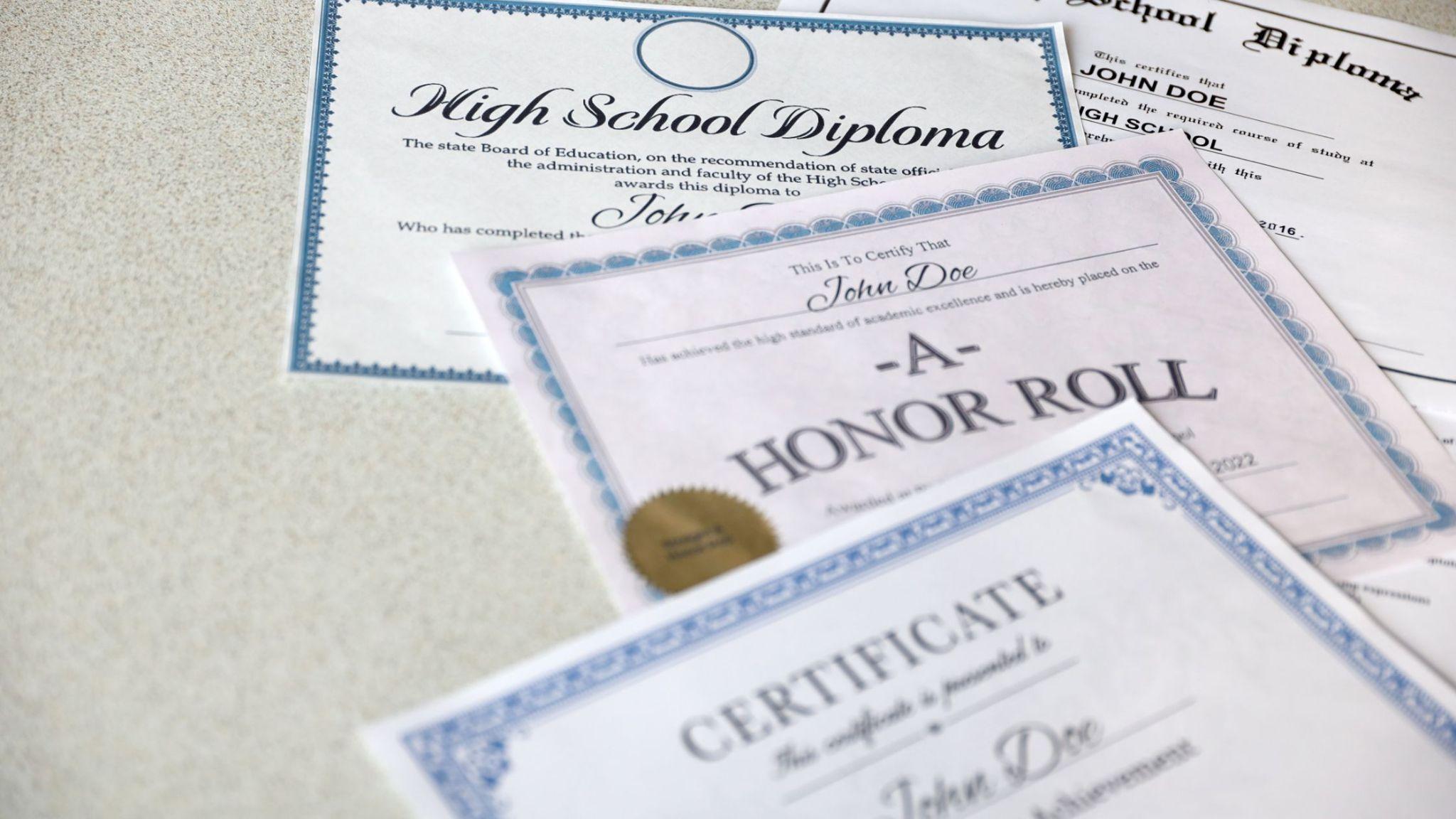
Picking up an academic document for the first time, after you’ve worked so hard to earn the achievement, has a physical, visceral feeling. The weight of the document feels significant, the texture of the seal gives it the internal feeling of permanence, and the ink on the paper itself makes you stand up a little straighter.
All elements like these, of the design and finishing touches, on an academic document go far beyond just being decorative elements. They’re actually part of a visual language that gives the document the credibility it deserves, specifically relating to the institution you attended as well. This is one reason why it is recommended to get a replica diploma replacement for display purposes, so that you can preserve these specific, critical details on the original document by tucking it away safely in a waterproof and fireproof strongbox.
The unspoken language of authenticity
Although you’ve never been formally taught, your eye is subconsciously trained to search for specific markers of legitimacy on certificates and awards, even before you read a single word on the document. These official marks then have a halo effect on the entire document. Each school deploys a specific and individual combination of these features to protect their reputation, creating a unique design that represents the institution and is uniform across all graduates.
Since these marks are uniform for every graduate from an institution, a subconscious trust is placed in the individual who holds the certificate. You don’t even have to read the name on the diploma; just seeing a proper seal and an intricate border design, utilising the well-known colours of the school, communicates both success and completion to the viewer.
This means that when you’re looking to get a replica diploma replacement created for display in your own home office, you must use a high-quality service built to respect this unspoken language, creating an authentic replica that still appears to reflect your success at a glance. A worthy display piece is one that communicates all the same authenticity, whilst your original document is safely stored away from any potential damage.
A deep look at academic seals
When an academic document is finished with a seal, that element becomes the anchor point of the entire document’s design. Seal designs vary widely: embossed foil elements, wax-style stamps, and intricate ink engravings. Both modern and classic design styles can be represented by a seal, each with specific meanings.
Common Seal Types and Their Meaning
Of course, many seals are designed to reflect a traditional “wax seal” originating in medieval times – very much like the ones you see used in Game of Thrones and House of the Dragon on TV. This signals to the recipient that the degree you receive has been sealed and is immutable.
However, many modern institutions have switched to using gold foil with blind embossing. This transition moves from the security of a sealed document to a luxury, modern element. Gold foil symbolizes the “gold standard” of the education level received, while adding the embossed, raised texture helps confirm it was machine-pressed and finished by the institution’s official print shop.
Some universities also use intricate, monochromatic ink engravings on their certificate design reflecting traditional and medieval-era stylings to showcase that the school was around long before gold foil became the norm, giving their certificates an increased historic academic value, at a glance.
Signatures: the human element of validation
Every certificate features a signature. In fact, the weight of the name on it reflects the leadership hierarchy of the institution and becomes a symbolic “blessing” of the curriculum the students undertake from the highest possible honour, whether it be signed by the Dean or the President.
When you consider the style of the signature itself, academic institutions often still use specific classical calligraphy penmanship styles to underscore the values of educational tradition that the establishment prides itself on. Just as logo design trends move from complex, ornate graphics to clean, modern minimalism, we can identify that signatures on a degree certificate also reflect the era of the school at the time.
Older institutions still use more traditional, elaborate signatures. Modern, tech-focused universities tend to use more streamlined signature styles. A great replica diploma replacement service also understands this nuance, ensuring that the signature style on the design matches the era of your graduation, and not just the current design trends.
Spotting inconsistencies: what makes a document look fake
Since these design elements are crucial in creating an authentic certificate, it is also important to understand how to spot inconsistencies that can make a document appear to be fake. These range from flat seals, unusual signature placement, and a mismatch in font styles on the document. By following this simple checklist, you can avoid using a low-quality replica diploma replacement service from the outset and ensure that you are able to preserve the prestige of displaying your certificate.
The most common tell that a seal is inauthentic is if it is simply printed in flat, matte ink. Without a metallic gold foil sheen or a physical three-dimensional depth of an embossed element, it simply looks like a photocopy of a photocopy. A professional diploma replacement must mimic the light-catching quality of the original’s seal.
Official diplomas have very precise margin and alignment rules, defined by the university’s registrar, often many decades ago. If the signature is placed slightly too high, too low, or even off-center, it can subconsciously create a feeling of distrust in the document. This is often referred to as “floating” and is the result of generic templates being used, rather than a replica being custom-designed, so it is tailored to your specific school.
Universities also have signature typeface pairings. For example, they may use Old English for the header and a clean, serif typeface for the body font. If a replica service provider does not use a close-enough match for the typefaces, to mirror the weight or curvature of the original document, it can immediately erase any credibility of the document.
Preserving your achievement: best practices and resources
You worked so hard to attain your academic certification; it is essential that you know the best practices for protecting your original document.
If you are dead set on actually displaying your original document, you must use an archival-quality frame for it that utilizes UV-protected glass. These are important because they will help prevent any fading of your seals and signatures.
It is recommended that you keep the original locked in a fireproof and waterproof safe, so that it is kept in pristine condition and protected from any natural disasters or accidental damage. Instead, you can use a high-quality diploma replacement on your home office wall, ensuring that the feeling of seeing the seal and signature on the replica remains visible and uplifts you year-round, while giving you the security that your original will not deteriorate.
Prioritize these elements on your replica
Seals and signatures are the institutional branding of your academic success. When looking for a diploma replacement service to create a high-quality replica for display, you should prioritize these specific details. Purchasing a high-quality replica is an investment in your personal history, so you should ensure that the provider you choose to trust respects the technical nuances of your original document and these critical validation marks.
This way, you can display a replica that mirrors the original document and keeps you motivated and proud of your achievements every single day, without fearing that you are allowing the original document to fade, suffer damage, or deteriorate over time, keeping a pristine certificate for any future verification purposes.


Why School Seals and Signatures Matter on Academic Documents

How to Compare Forex Account Types Based on Your Trading Experience?

How to Stay Anonymous While Browsing the Internet?
The Benefits of Using Apex Legends Hacks and Cheats in Your Gameplay

Prepaid Cards vs. E-Wallets: Which Payment Method Offers Better Privacy? Prepaid Debit Cards vs. Digital Wallets: The Battle for the Future of Small-Dollar Transactions

The Evolution of Digital Trust: What Transparent Gaming Platforms Can—and Cannot—Prove
Prepaid Cards vs. E-Wallets: Which Payment Method Offers Better Privacy? Prepaid Debit Cards vs. Digital Wallets: The Battle for the Future of Small-Dollar Transactions
The Benefits of Using Apex Legends Hacks and Cheats in Your Gameplay
How to Stay Anonymous While Browsing the Internet?