
When Support at Home Changes the Shape of Daily Life

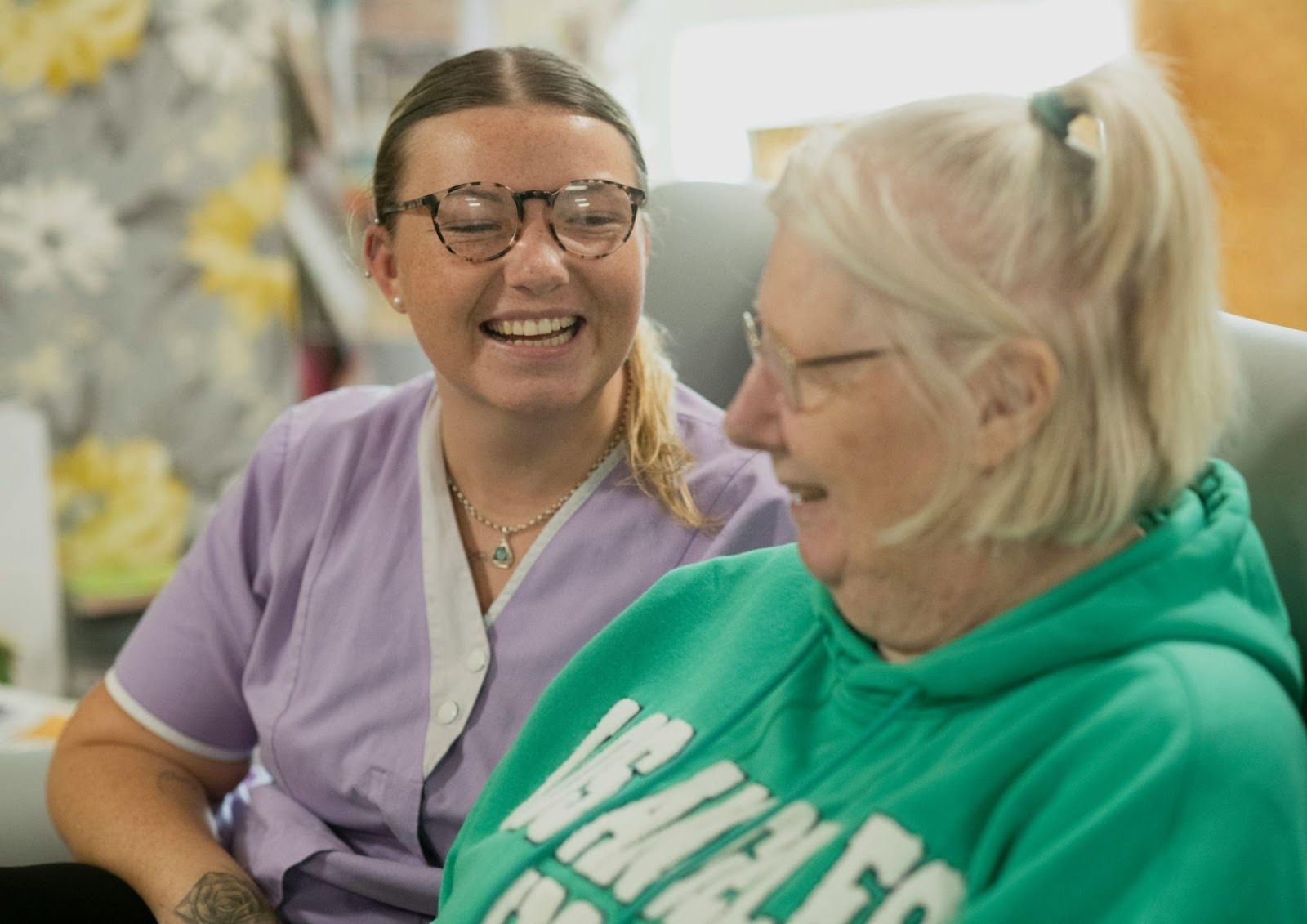
Life at home is built on small, repeated moments. Getting dressed in the morning. Preparing meals. Moving through familiar rooms. Resting at the end of the day.
When health or mobility changes, these moments can quietly become harder. Not impossible, but heavier. Tasks take longer. Energy drains faster. The home remains familiar, but the effort required to live in it increases.
This is often where support at home begins to matter.
Home Is More Than a Place
Home is not just a physical space. It is where routines live. It is where people feel most themselves. It is where independence is felt, not declared.
When someone needs help at home, the goal is rarely to change their life. It is to preserve it.
Support that happens inside the home respects this truth. It meets people where they are instead of asking them to adapt to a new environment.
How In-Home Support Fits Into Real Life
Support at home works best when it blends into daily routines. It does not announce itself. It does not demand attention. It simply makes life easier to manage.
This kind of support can include help with personal care, mobility, meals, medication reminders, and daily tasks that have become tiring or unsafe. The help is practical. The impact is emotional.
When everyday tasks feel manageable again, people regain energy for the parts of life that matter to them.
Independence Is Not the Same as Doing Everything Alone
Many people hesitate to accept help because they fear losing independence. This fear is understandable.
In reality, independence is about choice. It is about deciding how life is lived.
Good in-home support protects that choice. It allows people to stay in control of their routines while receiving help where it makes sense. Support is offered, not imposed.
This balance matters. It keeps people engaged in their lives instead of overwhelmed by them.
The Role of Care in Reducing Daily Strain

Strain often builds slowly. A skipped meal here. A missed medication there. Less movement. Fewer social interactions.
These changes may not feel urgent, but they affect well-being over time.
In-home care helps by addressing strain before it becomes a crisis. It stabilizes routines. It supports consistency. It provides another set of eyes to notice changes that might otherwise go unseen.
This quiet support can prevent small challenges from turning into larger ones.
Families Feel the Difference Too
When someone needs help at home, families often step in. This can be meaningful, but it can also be exhausting.
Adding professional support allows family members to shift roles. Time together becomes about connection rather than constant monitoring. Conversations become lighter. Visits feel less stressful.
This change improves relationships on both sides.
Care That Respects the Person
Good care starts with listening. It respects preferences, habits, and boundaries.
People receiving support at home are not problems to be managed. They are individuals with routines, opinions, and dignity. Care that recognizes this feels collaborative rather than intrusive.
When caregivers take the time to learn how someone lives, support becomes part of the household rhythm instead of an interruption.
Choosing Support With Intention
Decisions about care are often delayed until something forces action. This creates pressure and limits options.
Exploring in-home care services before a crisis allows people and families to understand what support can look like when it is proactive rather than reactive.
It creates space for choice. It gives the person receiving care a voice. It allows support to be shaped around life, not the other way around.
Safety That Does Not Feel Restrictive
Safety is one of the first reasons people consider in-home care. Falls, missed medications, and fatigue are real concerns.
Support at home improves safety by being present. Caregivers help with tasks that carry risk. They notice changes. They assist without creating rules that make life feel smaller.
When safety is built into daily life, confidence increases. People move more freely. Worry takes up less space.
Care as a Continuation of Life
In-home care is not an ending. It is a continuation.
It allows people to stay in familiar surroundings. It supports routines that already exist. It keeps life recognizable while making it more manageable.
This continuity matters. It preserves identity. It supports emotional well-being. It keeps home feeling like home.
A Different Way to Think About Help
Accepting help does not mean giving up. It means adapting.
Support at home is one way people choose to keep their lives full and grounded as circumstances change. It is practical, personal, and deeply human.
When care fits into daily life instead of reshaping it, people feel more like themselves again.
That is the real value of in-home support. It does not change who someone is. It helps them keep living as they are.


Why Internal Linking Matters for Website SEO

Leading AI Video Generators for Creators in 2026

Optima Tax Relief Explains What an IRS Audit Lawyer Does and How They Protect You

The Physiology of Good Decisions: How Damian Creamer Manages Energy, Not Just Time

Easy Ways to Organize and Work With Digital Documents

How to Build a More Social, Joyful Weekly Routine

How to Plan Leisure Spending with Clear Limits
Leading AI Video Generators for Creators in 2026

Reading Slot Payouts Before You Press Spin
