
What to Check First for a Stress-Free RV Purchase


Whether you’re considering buying an RV to live in or use for travel, you’ll want to make sure you choose the right vehicle for your lifestyle. An RV is a significant financial investment, so if you’re buying a new RV, and especially if you’re interested in a pre-owned RV, it’s important to confirm that your purchase is in good working order and has the features you need most.
Keep reading for some important things to consider for a stress-free RV purchase.
Research different RV models and costs
The term “RV” covers a lot of different types of recreational vehicles, from campers to luxury motorhomes. You’ll want to buy a model that matches your lifestyle. For example, if you’re looking to live in your RV full-time, you might consider a larger motorhome. If you’re just taking weekend trips to spend time in nature, a smaller truck camper or travel trailer that you can tow with your car may be more appropriate.
If you aren’t sure which RV is the best fit for you, look at models at a variety of dealerships or browse listings online. Speak to people you know who own RVs or seek out online chats and threads, so you have a better understanding of the pros and cons of different models. You might even want to rent a similar RV to the one you’re most interested in to make sure it feels right to you.
You’ll also want to have a budget in mind, know roughly which RVs you can afford and estimate ongoing costs such as insurance, maintenance and fuel. If you need funds to buy an RV or renovate one, an RV loan from a bank, credit union or online lender could help you get the money you need with fixed terms and predictable monthly payments.
Check the exterior
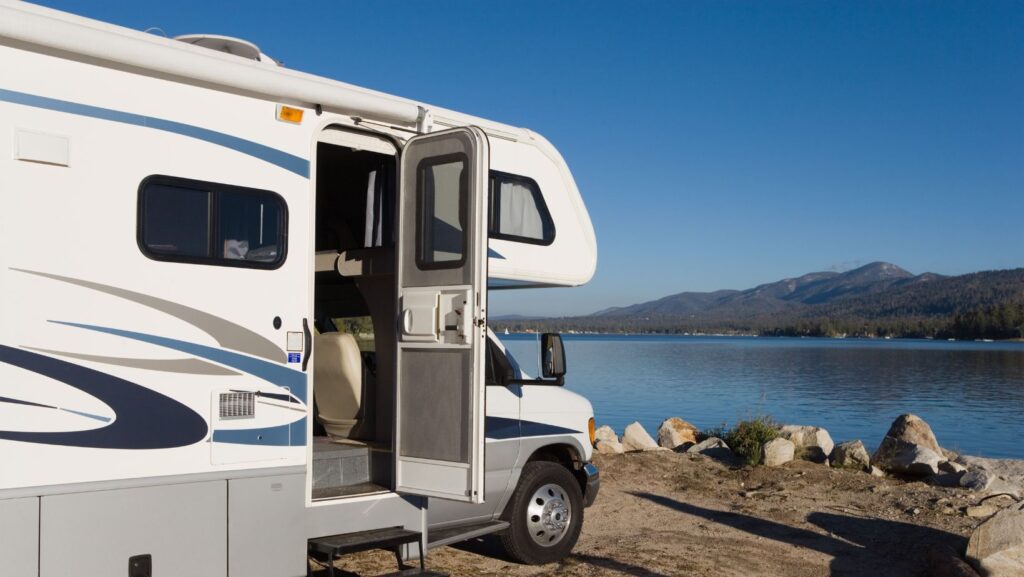
Once you’ve decided which RV is the best fit for you, you’ll want to carefully inspect it. Look to see if the exterior is in good condition — you don’t want to see cracks, dents or rust. Any doors and windows should be intact, including the sealant around the windows, which will help you save on air conditioning or heating and keep water out. You’ll also want to check the tires, engine and battery as you would with any car purchase.
Inspect the interior
Carefully inspecting the interior is just as crucial, especially if you’re looking at a larger RV with more features and amenities. Confirm that the appliances and climate control are in good working condition, and the same goes for any electricity and plumbing — check the water flow, flush the toilet and turn on the taps or shower. Water damage usually shows up as soft spots on floors, walls or ceilings. You’ll also want to check for mold, discoloration and any funky smells, which could indicate ongoing water or sewage issues.
Do your due diligence
It’s also a good idea to test drive the RV to make sure it handles well and is comfortable. You may also consider hiring a professional inspector who has experience with RVs and can walk you through any potential issues.
Take notes and ask questions along the way, whether you’re shopping at a dealership or looking to buy a used vehicle from a private owner. Once the vehicle has passed inspection, you’ll also want to check the title and any maintenance records for potential issues, just as you would when purchasing a pre-owned car.
Think about your long-term expenses
Before you agree to the purchase, consider the additional costs that you’ll need to budget for. Depending on how you’re using the RV, you may need to pay for fuel regularly, as well as a parking space in a campground, which usually has a nightly fee. What kind of insurance will you need, and how much will it cost? What about decor or supplies to make your RV more comfortable, and items like groceries?
Your expenses will differ depending on how you plan to use the RV, but including as much as you can in your purchasing budget from the start could help you avoid surprise expenses in the future.
Prepare ahead of time to lower your stress
If you’re looking to buy an RV, you’ll want to go into the purchase knowing exactly what you’re getting. One way to make your purchase slightly more manageable is to do a lot of research ahead of time — think about your lifestyle, your goals with owning an RV and how much you can afford to spend, including future expenses like insurance. Then, complete a full inspection of your vehicle before you purchase it and consider hiring a professional inspector to make sure you check absolutely everything.
Once the purchase is confirmed, you’ll be ready to start a whole new adventure with your RV.
Notice: Information provided in this article is for information purposes only and does not necessarily reflect the views of betterthisworld.com or its employees. Please be sure to consult your financial advisor about your financial circumstances and options. This site may receive compensation from advertisers for links to third-party websites.


Why Internal Linking Matters for Website SEO

Leading AI Video Generators for Creators in 2026

Optima Tax Relief Explains What an IRS Audit Lawyer Does and How They Protect You

The Physiology of Good Decisions: How Damian Creamer Manages Energy, Not Just Time

Easy Ways to Organize and Work With Digital Documents

How to Build a More Social, Joyful Weekly Routine

How to Plan Leisure Spending with Clear Limits
Leading AI Video Generators for Creators in 2026

Reading Slot Payouts Before You Press Spin
