
The Power of Rapid Spill Response Systems in Preventing Retail Slip Injuries


Slip and fall risks can surface anywhere products, people, and unpredictable conditions meet. While retail safety involves many moving parts, one element consistently determines whether a hazard becomes an incident. That element is the speed and coordination of spill response. A smooth system for identifying and eliminating liquid or debris hazards protects both shoppers and employees. It also minimizes the likelihood of needing legal support for personal injury cases after an avoidable accident.
Many stores invest in attractive displays, upgraded flooring, or new signage. Yet the most effective protection lies in how quickly teams react when moisture hits a walkway. Whether the source is a leaky ceiling tile, an overturned drink, tracked in rainwater, or dripping merchandise, rapid response determines outcomes. The following framework reframes retail safety through a single, focused lens. That lens is the management, training, and culture that make spill response systems work.
Why Spill Response Matters More Than Most Retail Hazards
Retail environments experience constant activity. Carts move in and out, merchandise is shifted, shoppers carry beverages, and weather conditions change throughout the day. Every one of these variables increases the likelihood of unexpected moisture. The initial few minutes after a spill are the most dangerous. Fresh liquid remains invisible under glare, spreads quickly, and creates a slick surface with almost no warning signs. Falls during this window are often severe because shoppers do not anticipate the hazard.
A store with strong design features still faces significant risk if its spill response is slow or inconsistent. A layout can be optimized for sightlines, yet one unattended puddle neutralizes all planning. This is why shifting focus from general hazard awareness to a specialized, time-driven spill response protocol creates a meaningful reduction in injury rates. It also drives consistency. Staff members who follow a clear system react faster and communicate better, which ultimately narrows the time a spill is present on the floor.
Building a Response Structure That Works Every Time
A reliable spill response system needs standard operating procedures that every employee can follow without hesitation. The first role is the spotter. Any associate who notices a spill must immediately call out the hazard through the store’s communication channel. This step ensures the spill does not remain unreported during busy hours.
The next role is the responder. This person retrieves the cleanup supplies and protective signage. They arrive with absorbent materials, mops, cones, and any floor-safe cleaners required for the surface. A third role, the verifier, confirms the area has been cleaned thoroughly and tests it for dryness before the cones are removed.
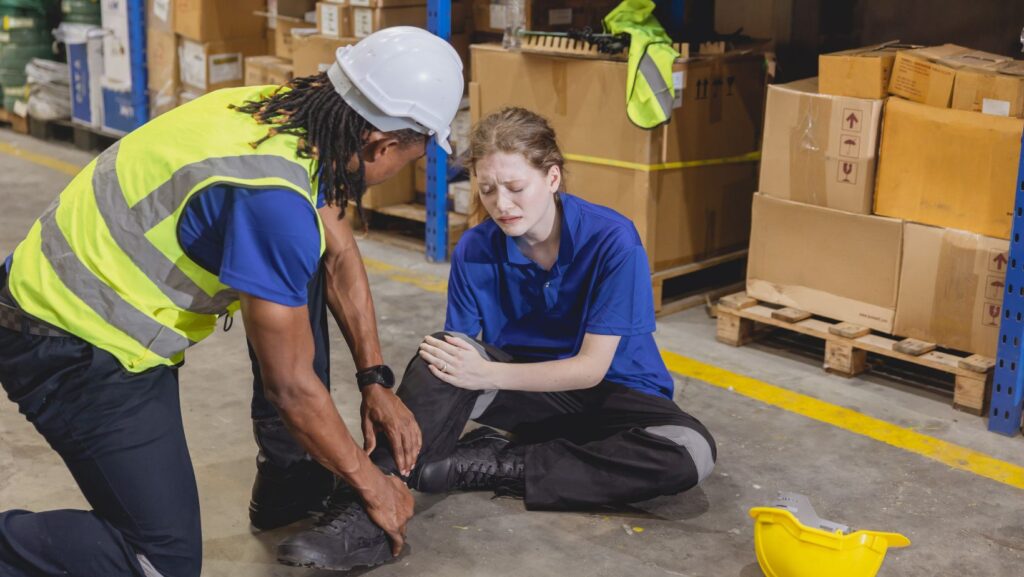
This three-person structure keeps the process accountable and eliminates the common problem of assuming someone else has handled the hazard.
Setting specific time limits is also essential. Goals such as reaching a spill in one minute and completing cleanup within five minutes provide clarity and help managers track performance. When teams treat these metrics like service level standards, response times improve, and hazards stay visible for shorter periods.
Training Employees to Prioritize Precision Over Speed
Although fast reactions are important, precision is what ultimately prevents falls. Rushed cleaning can leave a barely visible film on tile or polished surfaces. Residue becomes slippery once foot traffic resumes, creating secondary hazards that resemble unreported spills. Employees must understand which cleaning agents pair safely with each floor type. They also need training on drying methods that eliminate moisture without damaging surfaces.
Another essential practice is placing cones at the entry and exit points of a wet zone. Many stores place signage only in the center, which can leave gaps where shoppers step into danger before noticing the warning. Cones should remain until an employee verifies the surface through both a hand test and a slow walk test. Clear expectations like these transform spill response from a quick chore into a disciplined safety practice.
Using Technology and Documentation to Strengthen the System
Technology supports spill response when it encourages faster reporting and better analysis. QR code reporting, internal communication apps, and simple shared logs allow staff to alert others quickly. Over time, documentation produces patterns. Managers can identify departments where liquid hazards appear most often, times of day when response slows, or recurring leaks that require maintenance. These insights move safety from reactive to proactive.
Incident and near-miss reports are also valuable. Stores that document every event with photographs, timestamps, and employee notes build stronger internal records. These records support insurance communication and operational improvements. They also reduce confusion later if an injury becomes part of legal proceedings. Thorough documentation and timely communication help clarify what occurred and what steps were taken.
A More Focused Path to Safer Stores
Preventing falls is not about having the most advanced equipment or the shiniest floors. It is about establishing repeatable habits that turn small hazards into quick fixes rather than major accidents. A dedicated spill response system brings order to chaotic retail environments. It ensures that the moment moisture hits the floor, the clock starts, and trained employees know exactly what to do. When incidents do occur, strong documentation and coordinated communication allow teams to respond effectively, and legal support for personal injury cases may help guide next steps. Ultimately, the commitment to rapid response protects customers, improves staff confidence, and keeps stores running safely and efficiently.


Why Internal Linking Matters for Website SEO

Leading AI Video Generators for Creators in 2026

Optima Tax Relief Explains What an IRS Audit Lawyer Does and How They Protect You

The Physiology of Good Decisions: How Damian Creamer Manages Energy, Not Just Time

Easy Ways to Organize and Work With Digital Documents
Leading AI Video Generators for Creators in 2026

Corporate Accountability in 2026: The Rise of “Responsible Tech”

How Time for Leisure Can Support Your Productivity

Why Live Games Have Higher Minimum Bets Than Slots
