
Is Nursing as a Career the Right Choice? Benefits, Challenges, and Opportunities

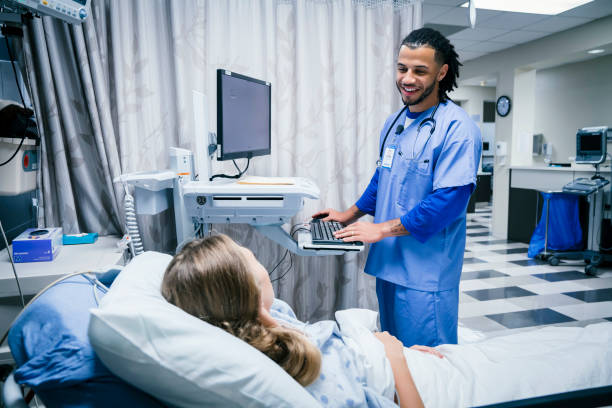
Few careers let you save a life before lunch and clock out knowing you made a real difference. Nursing is one of them. With ageing populations straining healthcare systems worldwide and demand for qualified nurses outpacing supply, it remains one of the most sought-after professions on the planet.
However, it also comes with long shifts, emotional weight, and physical demands that not every career guide mentions. If you’re seriously considering nursing — whether as a first career or a change of direction — it’s important to get the full picture of why people choose it.
Why Nursing Continues to Attract People Worldwide
Nursing draws people in for two big reasons: purpose and practicality. On one hand, few jobs put you this close to the human experience and the moments that matter most in people’s lives. On the other hand, nursing offers something increasingly rare in the modern workforce: genuine job security.
Global healthcare systems are under pressure. Populations are ageing. Chronic disease is rising. And demand for skilled nurses spans hospitals, aged care, and community clinics. A nursing qualification can unlock opportunities, whether you aim to work locally, regionally, or internationally.
Add to that a wide range of specialties, from emergency and ICU to mental health, paediatrics, and public health, and it becomes clear why so many people across so many countries continue to choose this path.
Leading Benefits of Becoming a Nurse
If you’re looking for a long-lasting and meaningful profession, nursing as a career offers strong job security, competitive salaries, and the opportunity to make a direct impact on patient care.
Job Security and Demand
Nurses remain essential regardless of the state of the economy, and shortages across the US, Australia, the UK, and Canada are growing. The U.S. Bureau of Labor Statistics projects registered nursing employment to grow faster than the average for all occupations over the coming decade.
Competitive Salaries and Benefits
Nursing offers a steady income and opportunities to earn more by working nights, weekends, holidays, and overtime. Depending on the employer, you might also receive pension contributions, generous leave, and professional development support.
Various Workplace Settings
One of nursing’s most underrated qualities is its variety. Nurses can build careers in:
- Public and private hospitals
- Aged care and rehabilitation facilities
- Community health centres
- Schools and universities
- Defence forces
- Telehealth and remote care platforms
- Corporate and occupational health settings
- Research institutions and clinical trials
You’re not restricted to a single area; if a setting no longer fits, real alternatives are available — and your skills can be applied elsewhere.
Career Mobility
Nursing rewards ambition with opportunities to specialise, lead, educate, or advance clinically. A nurse beginning in a general ward can, within a decade, transition to significantly different and often higher-paying roles.

Getty Images- Pekic
Challenges of Nursing as a Career
Nursing is not for everyone, and understanding the challenges up front helps you make a smarter decision.
Shift work and long hours are part of the deal. Nights, weekends, and holidays come with the territory, and fatigue is a real factor that affects health and family life over time.
Physical demands are significant. Long periods on your feet, lifting and repositioning patients, and working in fast-paced environments take a toll on the body.
Emotional pressure is constant. Nurses witness critical illness, grief, and loss regularly. The weight of responsibility, especially in high-acuity settings, requires genuine emotional resilience.
Burnout and staffing shortages are worldwide challenges in nursing. Many nurses handle this through strong team cultures, supportive employers, and work-life limits.
Continuing education means learning doesn’t stop at graduation. Continuing Professional Development is mandatory in most countries, and keeping clinical skills up to date is part of the job for life.
Career Growth Opportunities in Nursing
Many nursing graduates begin working shortly after they finish their studies. Hospitals and health services provide transition programs to help new nurses adapt to clinical work. Rural and remote jobs often pay more and may include accommodation support.
After gaining some experience, nurses can choose to specialise in different fields. Some areas are especially in demand, such as:
- Intensive care and critical care
- Emergency and trauma
- Operating theatre and anaesthetics
- Mental health and psychiatric nursing
- Aged care and palliative care
- Paediatrics and neonatal care
- Community and primary health
Each specialty has its own trajectory. If you’re aiming to go beyond clinical work, advanced roles include:
- Clinical Nurse Specialist — deep expertise in a defined clinical area
- Nurse Unit Manager — operational and team leadership
- Nurse Educator — building the skills of the next generation
- Nurse Practitioner — extended scope of practice, often including independent prescribing
- Public Health Nurse — population-level health improvement
- Research Nurse — contributing to evidence and clinical trials
How to Become a Nurse
The process of becoming a nurse varies by location and role. In the US, most future nurses become Registered Nurses (RNs) by earning a Bachelor of Nursing degree.
A three-year undergraduate nursing degree includes practical training in hospitals, aged care, and community settings.
Earning an undergraduate nursing degree usually takes about 3 years and includes extensive hands-on clinical experience. Some academies, like Baylor University Online, offer flexible programs that work well for adults who are working or changing careers.
After graduation, registration requires passing a licensing exam, such as the NCLEX, or gaining approval from a relevant nursing board.
Requirements vary by state, so check with your local nursing regulatory body before enrolling.
Is Nursing the Right Choice for You?
Nursing tends to suit people who are naturally compassionate, calm under pressure, and genuinely interested in health and science.
Strong communication, reliability, teamwork, and clinical knowledge are vital. Emotional resilience—the capacity to handle tough experiences and persevere—is also essential.
If you value purpose in your work, enjoy variety, and can handle both the physical and emotional demands of the role, nursing may be an excellent fit.
It may be harder if you dislike shift work, struggle with personal care tasks, find making quick decisions overwhelming, or have trouble detaching emotionally after difficult patient situations.
Nursing offers stability, genuine purpose, and long-term career growth that few professions can match. It also demands resilience, flexibility, and a real commitment to the people in your care. For the right person, it can be one of the most rewarding choices available — a career built on skills that matter, in a field the world will always need.


Why Internal Linking Matters for Website SEO

Leading AI Video Generators for Creators in 2026

Optima Tax Relief Explains What an IRS Audit Lawyer Does and How They Protect You

The Physiology of Good Decisions: How Damian Creamer Manages Energy, Not Just Time

Easy Ways to Organize and Work With Digital Documents
Leading AI Video Generators for Creators in 2026

Corporate Accountability in 2026: The Rise of “Responsible Tech”

How Time for Leisure Can Support Your Productivity

Why Live Games Have Higher Minimum Bets Than Slots
