
Does Owning a Pet Retain Cognitive Decline?

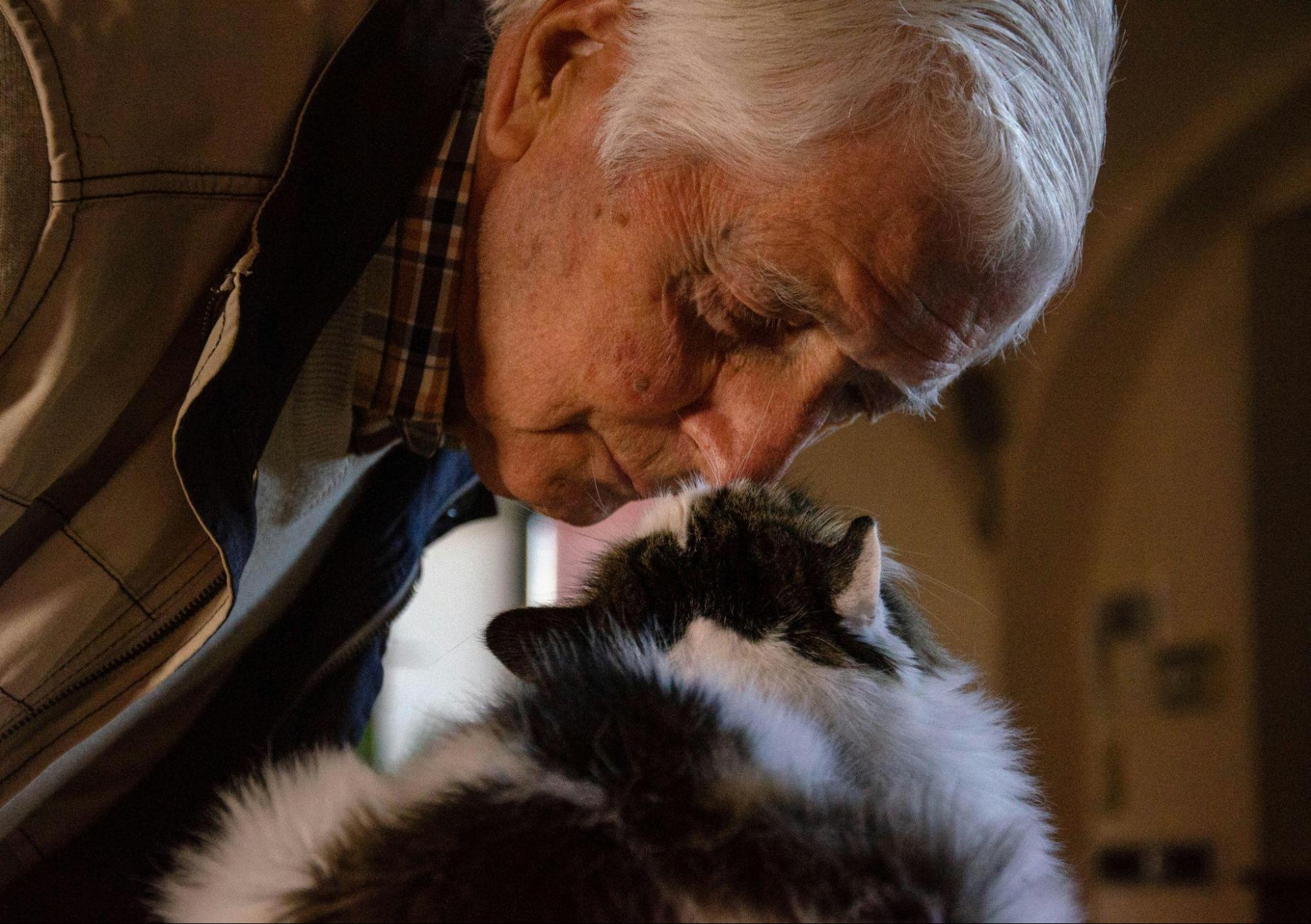
If you have a pet – especially a dog or a cat – you know they change how we live our lives from day to day. A recent study suggests that the benefits of owning a dog or a cat surpass the direct impact of our furry friends. Taking care of a dog or a cat might help in fighting cognitive decline as we get older. The idea is that the simple act of caring for an animal positively influences long-term cognitive health, which forms a potential breakthrough in preventative health.
Practical Support for Pet Owners
It doesn’t go without saying, caring for an animal comes with responsibilities – and managing some of the daily obligations that come with pet ownership can be overwhelming for some. From feeding and grooming to cleaning and making sure their social, mental, and physical needs are met, for those with busy lives or for those who already experience age-related limitations, taking care of a cat or dog is a huge commitment
In these cases, some tools can make the life of a pet owner significantly easier, like a self-cleaning litter box, an automatic feeder, or a robotic vacuum cleaner. You’ll still have the responsibility, the companionship, and the fun of owning a pet – and therefore the cognitive benefits as well – but alleviated by some of the more straining tasks.
What Research Suggests
A large-scale study researching adults over the age of 50 for nearly two decades found a potential link between pet ownership and cognitive resilience. According to researchers from the University of Florida, participants of the study who cared for furry, feathered, finned, scaled, and shelled animal friends showed a slower decline in specific areas of brain function in comparison to those who did not have pets.
These findings add to the growing acknowledgment of how meaningful human–animal relationships can be. The presence of a four-legged friend can reduce feelings of loneliness and stress while strengthening a sense of responsibility – this we already knew. What’s new is that, for older adults in particular, the responsibility of owning a cat or dog can become a motivating factor in staying active, engaged, and mentally sharp.

Difference Between Cat and Dog Owners
According to some other research, owning a dog supports different brain functions than owning a cat. Dog owners retained stronger short-term and long-term memory, showing how their cognitive health is benefited through the relationship with their dogs, while cat owners better preserved verbal fluency. However, there is limited understanding of how different species of pets are associated with these outcomes.
Owners of fish and birds were also included in the research. And while considered charming companions, owning birds and fish showed no meaningful impact on the cognitive decline while aging, potentially because of a lower level of connection due to the shorter lifespan of fish and birds. This could indicate that ‘owning a pet’ isn’t what causes the delayed cognitive decline as much as specifically owning a cat or a dog.
More Than a Furry Friend
Ultimately, the research underlines what many pet owners have felt intuitively for years: the daily presence of a four-legged friend enriches life in ways that go far beyond companionship. The combination of an emotional connection, mental stimulation, physical activity, and practical support tools can make pet ownership an accessible and fun way to support healthy aging.


Why Sprinter Van Services Are Transforming Corporate Group Travel in Canada

How Ellen DeGeneres Made Kindness a Mainstream Conversation

Why Your Online Projects Need the Same Intentionality as Your Budget

Mental Health Facilities in Florida: A Comprehensive Guide to Mental Health Care

Alcohol Treatment in Palm Beach, South Florida: A Comprehensive Guide to Recovery

The Global Success of Impractical Jokers: Production, Format Licensing, and International Expansion

3 Ingredients to Look for in a CBD Gummy (and 2 to Avoid)

The Impact of Speech Recognition on Inclusive Communication

8 Custom Software Development Companies for Building Scalable Enterprise Software
