
Resistance Bands for Pull-Ups: Proper Setup and Common Mistakes

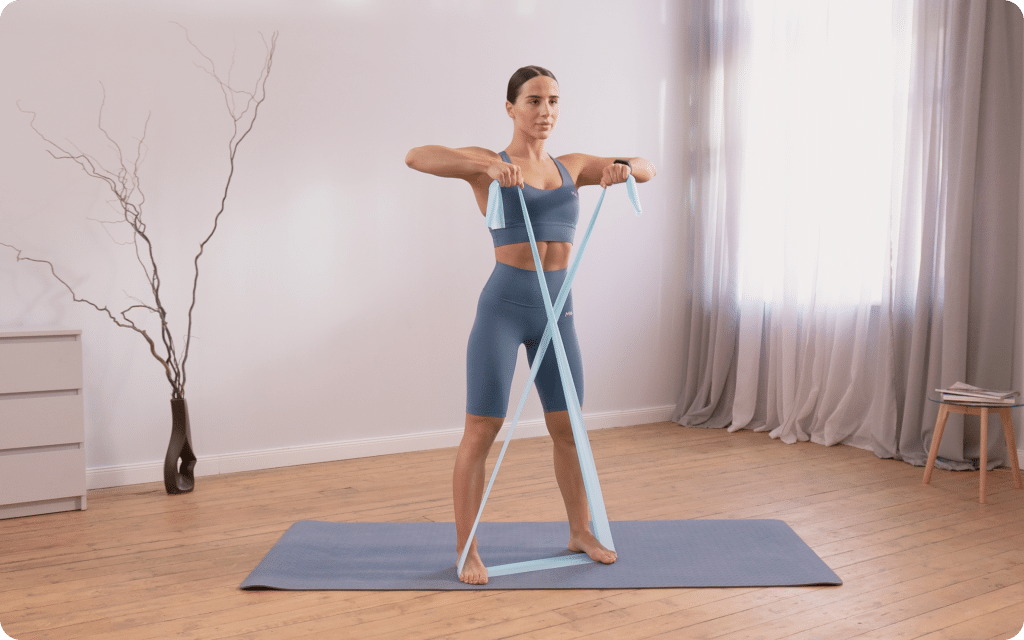
Resistance bands, often known as assistance bands, are versatile pieces of fitness equipment that can significantly enhance your workout routine. They are elastic bands used for strength training and physical therapy purposes. These bands come in various resistances, making them suitable for a wide range of exercises, including pull-ups. Whether you’re a beginner or a seasoned athlete, resistance bands can be a valuable addition to your fitness regimen.
The Role of Assistance Bands in Pull-Ups
Assistance bands play a vital role in helping individuals master pull-ups. For many, pull-ups are a challenging exercise due to the significant upper body and core strength required. Assistance bands provide the extra support needed to perform pull-ups by reducing the amount of body weight you need to lift. This makes pull-ups more accessible to beginners while still offering a robust workout for advanced athletes.
Using assistance bands for pull-ups can help you build the necessary strength and confidence to perform unassisted pull-ups over time. As you progress, you can gradually reduce the assistance by switching to bands with less resistance. This incremental approach helps in developing muscle memory, enhancing grip strength, and improving overall form. It’s a strategic way to advance your pull-up capabilities without risking injury from overexertion.
Moreover, assistance bands are not just for beginners. Even experienced fitness enthusiasts can benefit from them by incorporating different variations of pull-ups into their routine. These bands allow for high-repetition sets and can be used in super sets or drop sets to intensify your workout. This flexibility in training leads to improved muscle endurance and strength, making assistance bands a valuable tool at any stage of your fitness journey.
Proper Setup for Using Assistance Bands
Setting up assistance bands for pull-ups correctly is essential for maximizing their benefits and ensuring safety during workouts. Start by selecting an appropriate assistance band that matches your strength level. Bands are usually color-coded based on resistance levels, with lighter colors generally offering less resistance and darker colors providing more. Secure the band to a pull-up bar by looping it through itself, creating a secure knot that won’t slip during use.
Once the band is attached, place one foot or knee into the loop at the bottom of the band, depending on your comfort level and the exercise variation you are performing. Ensure that the band is evenly stretched, providing consistent assistance throughout the movement. It is crucial to maintain a stable core and proper posture while using the band to avoid unnecessary strain on your back or shoulders. Keep your shoulders down and back, engage your core, and focus on pulling yourself up with controlled movements.

When using assistance bands, always prioritize form over speed. Perform each pull-up slowly, concentrating on both the concentric and eccentric phases of the exercise. This deliberate approach not only enhances muscle engagement but also reduces the risk of injury. Be mindful of any discomfort or pain, as this could indicate improper form or an unsuitable resistance level. Adjust the band or your technique as needed to ensure a safe and effective workout.
How to Choose the Right Assistance Band for Your Fitness Level
Selecting the right assistance band for your fitness level is crucial for achieving optimal results. Begin by assessing your current strength and pull-up capabilities. If you are new to pull-ups, you will likely require a band with higher resistance to provide adequate support. As you gain strength and confidence, you can transition to bands with lower resistance, gradually challenging yourself and reducing reliance on the band.
Consider the type of exercises you plan to perform with the assistance band. For pull-ups, loop bands are typically the best choice due to their versatility and ease of use. However, if you plan to incorporate other exercises, such as tricep extensions or bicep curls, you may want to invest in a set of bands with varying resistance levels. This allows you to adjust the difficulty of your workouts as needed, promoting balanced muscle development and overall fitness.
When purchasing assistance bands, ensure they are made from high-quality, durable materials to withstand repeated use. Check for any signs of wear and tear before each session, as damaged bands can snap and pose a safety risk. Investing in a reliable set of bands will provide consistent performance and longevity, allowing you to focus on reaching your fitness goals without interruptions.
Variations of Pull-Ups with Assistance Bands
Incorporating variations of pull-ups into your workout routine with assistance bands can help target different muscle groups and prevent workout monotony. Here are some popular variations you can try:
- Wide-Grip Pull-Ups: This variation emphasizes the latissimus dorsi muscles, providing a broader back appearance. Use a wider grip on the pull-up bar and perform the pull-up with the assistance band, ensuring controlled movements. Assisted variations allow lifters to maintain control while targeting the upper back more effectively.
- Close-Grip Pull-Ups: By narrowing your grip, you place more emphasis on the biceps and forearms. This variation is excellent for developing arm strength and improving overall grip.
- Mixed-Grip Pull-Ups: Alternate between an overhand and underhand grip to engage different muscle groups. This variation challenges your muscles in new ways, promoting balanced strength development.
- Negative Pull-Ups: Focus on the eccentric phase of the pull-up by slowly lowering yourself from the top position. Assistance bands help control the descent, making this an effective method for building strength.
- Explosive Pull-Ups: Add a dynamic element to your routine by performing pull-ups with an explosive upward motion. The assistance band provides the necessary boost, allowing you to focus on power and speed.
Experiment with these variations to find the ones that best suit your fitness goals and preferences. By incorporating different types of pull-ups, you can ensure a comprehensive workout that promotes strength, endurance, and muscle growth.
Mastering Pull-Ups with Assistance Bands
Mastering pull-ups with assistance bands requires dedication, patience, and consistent effort. By understanding the role of these bands and setting them up correctly, you can effectively incorporate them into your workout routine, regardless of your fitness level. Assistance bands provide the support needed to perform pull-ups with proper form, reducing the risk of injury and promoting muscle development. As you progress, don’t hesitate to experiment with different pull-up variations and resistance levels.


How Device-Level Analytics Change Streaming Optimization

How Streaming Affects Canadian Betting Habits

How French Festivals Add Extra Magic to Your Travel Experience

Astrology in HR: How Employers and Candidates Really Feel About the Esoteric Trend

Institutional Interest in Solana: What’s Driving Confidence?

Best eSignature Solutions to Streamline Lifestyle

Fintech Debates Abound as Canada Prepares to Host 2026 World Cup

The Hidden Math Behind Free Spin Offers

7 Finest Technology and Analytics Leadership Programs in 2026
