
How to Better Care for Aging Adults


Statistics show that the United States population is aging rapidly. The number of Americans ages 65 and older is projected to increase from 58 million in 2022 to 82 million by 2050 – a 47% increase.
The U.S. population is older today than it ever has been, which has also led to a significant increase in families providing care to older relatives. Data shows that in 2020, there were more than 53 million informal caregivers in the United States.
If you take care of an older relative—whether it’s your grandparents or a great auntie—this guide is for you. We’ll explore ways you can better support your loved one beyond simply accompanying them to appointments or keeping them company, including how you can donate to seniors care together as a family or community to make a meaningful difference in their well-being and quality of life.
Looking for more support when caring for an older relative? It can also be a good idea to enlist the help of a casual in-home care team, like a cleaner or a nurse who’s completed AGNP programs online, and can offer specialized care.
Otherwise, here are some things you can do.
Promote exercise
The Centers for Disease Control and Prevention (CDC) has released information on the importance of physical activity for adults aged 65 or older. Even a single session of moderate to vigorous physical activity can provide immediate benefits, such as:
- Improved sleep quality
- Reduced feelings of stress and/or anxiety
- Lowered blood pressure
Physical activity yields many long-term benefits, too. These include:
- Improved brain health: Exercise reduces the risk of developing dementia (including Alzheimer’s disease) and mental health conditions, such as depression.
- Better heart health: Physical activity lowers the risk of heart-related conditions, including heart disease, stroke, and type 2 diabetes.
- Cancer prevention: The CDC reports that physical exercise can reduce the risk of bladder, breast, colon, endometrium, esophagus, kidney, lung, and stomach cancers.
- Improved bone strength: Regular exercise can also improve bone health, which is crucial for quality of life and independent living.
Encouraging the older adult in your life to exercise more is crucial for improving their quality of life and providing better care. If they’re uncomfortable exercising alone, you could suggest making it a group activity or looking into community classes.
Encourage social activities
The World Health Organization reports that around one in six people worldwide experience feelings of social isolation and/or loneliness. The organization also says seniors are most at risk of loneliness.
Social isolation and loneliness can also have a severe physical, cognitive, and mental impact on an older person’s health. Loneliness can lead to higher risks of developing diseases, cognitive decline, and depression.
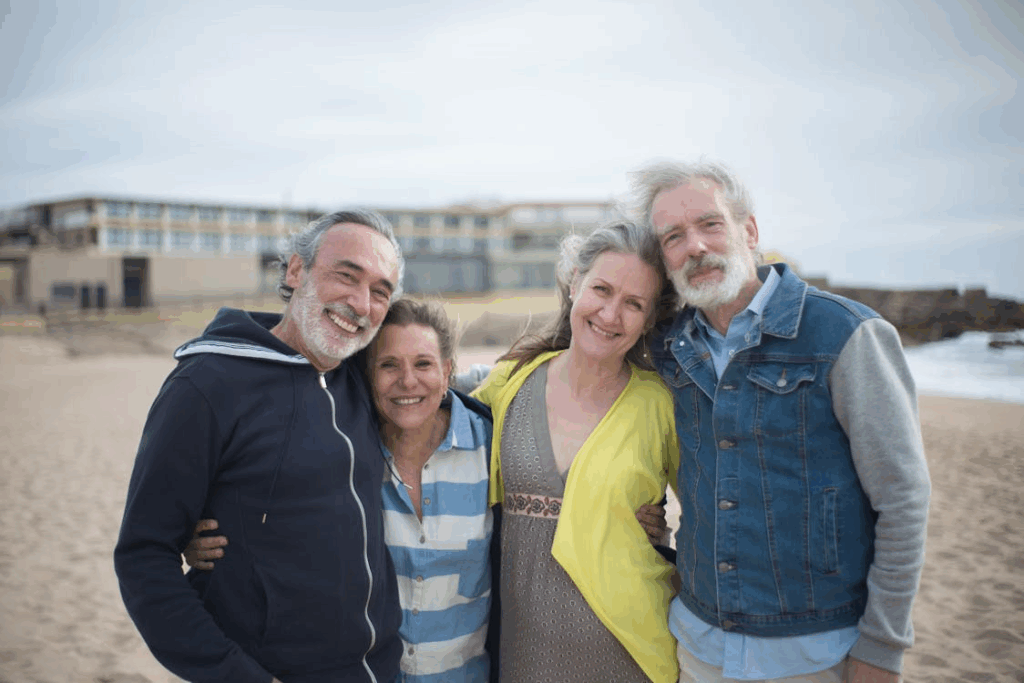
If you’re looking for ways to provide better care to an older relative, not only do you need to spend quality time with them, but also, encourage them to stay socially connected. Motivate them to seek out others with shared interests and join social groups.
Schedule regular appointments
It’s important for anyone, especially older people, to have regular health exams and medical screenings. Regular health screenings are an essential aspect of healthy aging for older adults and can help prevent serious health conditions.
A study published in the National Library of Medicine suggests that older people should be regularly screened for:
- High blood pressure
- Diabetes
- Dyslipidaemia
- Colorectal cancer
- Breast cancer
- Lung cancer
- Mental health
Regular screenings and appointments can make a world of difference when it comes to health outcomes. Research shows that early disease detection can improve the chances for effective treatment.
If your loved one gets nervous or anxious about visiting healthcare providers, ask if you can tag along. You can offer to drive them to the appointment, or even go with them and take notes.
Encourage a healthy diet
The National Institute on Aging says healthy eating is the cornerstone of healthy aging. A well-balanced, nutritional diet that is packed with vitamins and minerals helps support muscles and strengthen bones.
The World Health Organization reports that a healthy diet can also protect against malnutrition in all its forms, and lower the risk of certain health diseases, such as diabetes, heart disease, and cancer.
Recent research has also revealed that there is a link between a person’s diet and their mental health. For example, meals with healthy fats, such as omega-3 fats, can help:
- Improve mood
- Lower stress and a lower chance of developing an illness
- Improve sleep patterns
- Improve cognitive function
If your older relative can’t cook for themselves, you can offer to help in the kitchen. If you don’t have the time or resources to regularly prepare healthy meals for them, you could consider looking into hiring casual in-house help that can.
Improve their physical environment
Statistics show that one out of four older adults falls each year, with 3 million adults aged 65 or over treated in emergency departments for unintentional fall injuries. These falls can cause serious injury, and in severe cases, death.
Find a stairlift for narrow stairs that won’t compromise on comfort. You want to make sure their physical environment is easy to move around in and accessible. Make sure there are no tripping hazards, and where possible, look into installing assistive furniture or technology.
Many older people also have a fear of falling, which can lead to them limiting their physical and social activities. This fear and isolation can result in more falls, further physical decline, and even depression.
By ensuring your older relative’s physical environment is safe and accessible, you can give them back their confidence. This confidence reduces the chance of them developing a fear of falling and can encourage them to be more independent, exercise, and socialize.


Online Casino Promotions: Pros & Cons and the Ideal Offers In 2025

Why Internal Linking Matters for Website SEO

Leading AI Video Generators for Creators in 2026

Optima Tax Relief Explains What an IRS Audit Lawyer Does and How They Protect You

The Physiology of Good Decisions: How Damian Creamer Manages Energy, Not Just Time
Leading AI Video Generators for Creators in 2026

How Esports Grew From Local Tournaments Into A Global Industry

The “Entertainment Budget” Habit That Actually Sticks

Stakeholder Capitalism’s Persistent Advocate: Lynn Forester de Rothschild and the 2026 ESG Rankings