
How Often Screening Mammography Is Recommended and Why

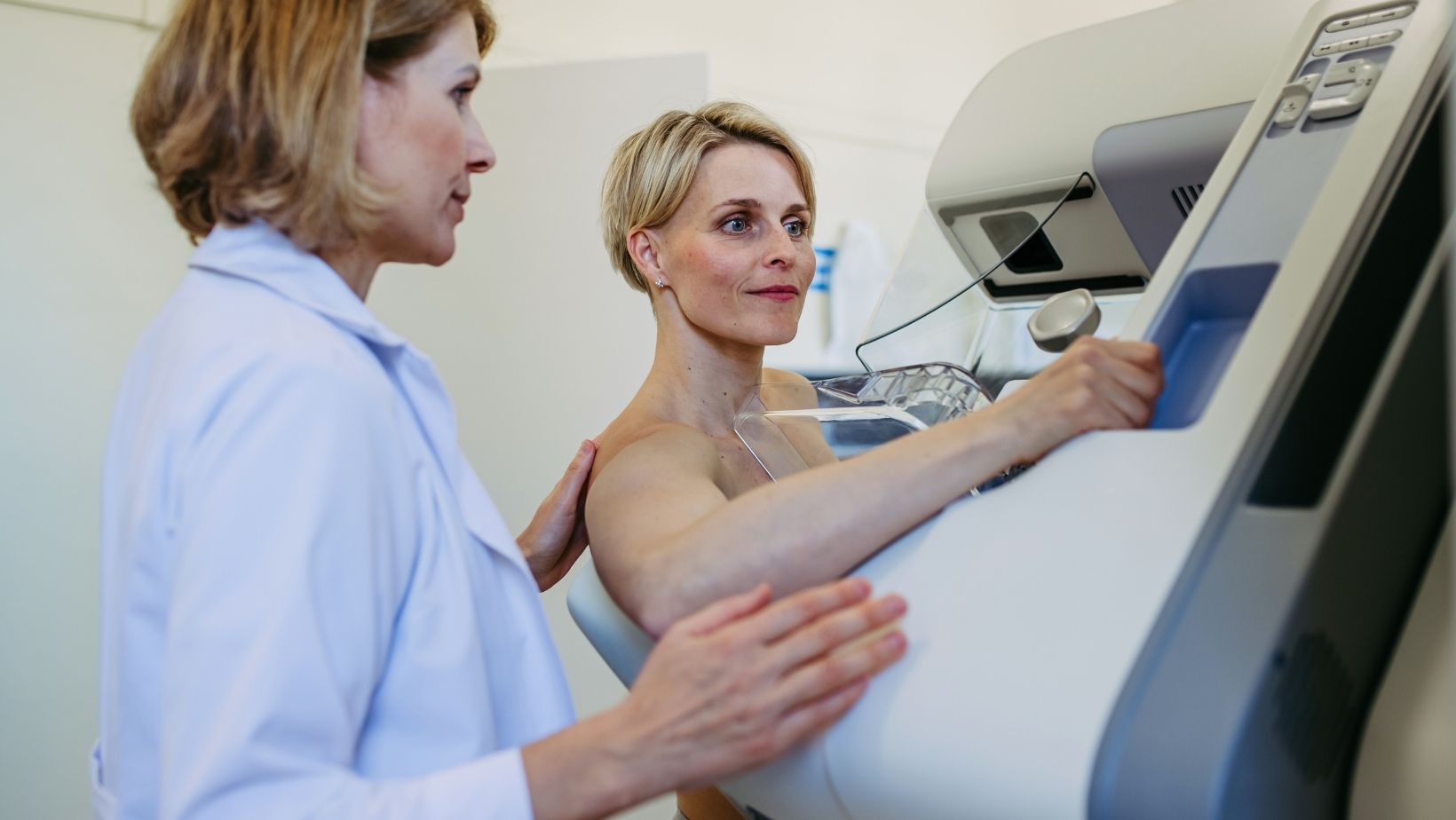
Screening mammography is a key medical imaging tool used to detect breast cancer before symptoms appear. Unlike diagnostic imaging performed after a problem is suspected, screening is intended for individuals who do not currently show signs of disease. Because breast cancer can develop slowly over time, the frequency of screening plays a critical role in identifying abnormalities at an early stage. Medical guidelines, therefore, recommend specific screening intervals designed to maximise early detection while limiting unnecessary imaging.
Mammography Is Recommended Every One to Two Years
For individuals at average risk of breast cancer, screening mammography is most commonly recommended every one to two years once screening begins. This interval is based on extensive clinical research showing that many breast cancers grow at a pace that allows abnormalities to become visible within this timeframe.
Access to clear screening mammography information for patients and early detection helps explain how regular imaging supports earlier identification of breast changes before symptoms appear. When mammograms are performed consistently, radiologists can compare current images with earlier scans, improving their ability to detect subtle changes in breast tissue.
This comparison process is essential in radiographic interpretation, where the detection of small structural changes, such as clusters of microcalcifications or tissue distortions, can signal early-stage disease. A one-to-two-year interval, therefore, balances effective monitoring with practical screening schedules.
Screening Often Begins Around Age Forty to Fifty
The age at which screening mammography begins is closely tied to how breast cancer risk increases over time. Most screening programmes recommend starting between the ages of 40 and 50 because the incidence of breast cancer rises significantly during this period.
Beginning screening earlier than this age may lead to more imaging but can also increase the likelihood of false-positive findings, where suspicious results ultimately prove to be non-cancerous. Conversely, starting too late may delay the detection of early-stage disease.
The recommended starting age, therefore, reflects a careful balance between early detection and avoiding unnecessary procedures, based on long-term population studies and clinical evidence.
Annual Screening May Be Recommended for Higher Risk
Some individuals require more frequent mammography due to an increased risk of developing breast cancer. This higher risk may result from a strong family history, inherited genetic mutations such as BRCA1 or BRCA2, or previous exposure to chest radiation therapy.

In these cases, healthcare providers often recommend annual screening mammography rather than biennial imaging. The shorter interval helps ensure that any developing abnormalities are detected as early as possible.
For some patients, clinicians may also incorporate additional imaging methods, such as breast magnetic resonance imaging (MRI), to complement mammography. These approaches are designed to improve detection in individuals whose risk profile differs from the general population.
Screening Recommendations May Change With Age
Screening frequency may also be adjusted later in life depending on overall health and life expectancy. Many clinical guidelines recommend continuing screening mammography until around age 74, though decisions beyond this point often depend on individual health circumstances.
If a person remains in good health and would benefit from early detection and treatment, continued screening may still be advised. Conversely, if significant medical conditions limit the potential benefits of screening, healthcare providers may recommend reducing or discontinuing routine imaging.
These decisions are typically made through shared discussions between patients and clinicians, ensuring that screening remains appropriate for each individual’s medical situation.
Understanding the Importance of Screening Timing
The timing of screening mammography is not arbitrary. Recommended intervals are based on decades of research into breast cancer development, imaging effectiveness, and patient outcomes. By following these schedules, patients and clinicians increase the likelihood of detecting cancer at an early stage, when treatment options are generally more effective. Consistent screening, therefore, remains a cornerstone of modern breast cancer prevention and early detection strategies.


Why Internal Linking Matters for Website SEO

Leading AI Video Generators for Creators in 2026

Optima Tax Relief Explains What an IRS Audit Lawyer Does and How They Protect You

The Physiology of Good Decisions: How Damian Creamer Manages Energy, Not Just Time

Easy Ways to Organize and Work With Digital Documents

How to Build a More Social, Joyful Weekly Routine

How to Plan Leisure Spending with Clear Limits

How to Contact the BetterThisWorld Team

How Adult Website Owners Can Build Sustainable Revenue in a Competitive Market