
How Free Poker Games And Play Money Tables Help Beginners Learn

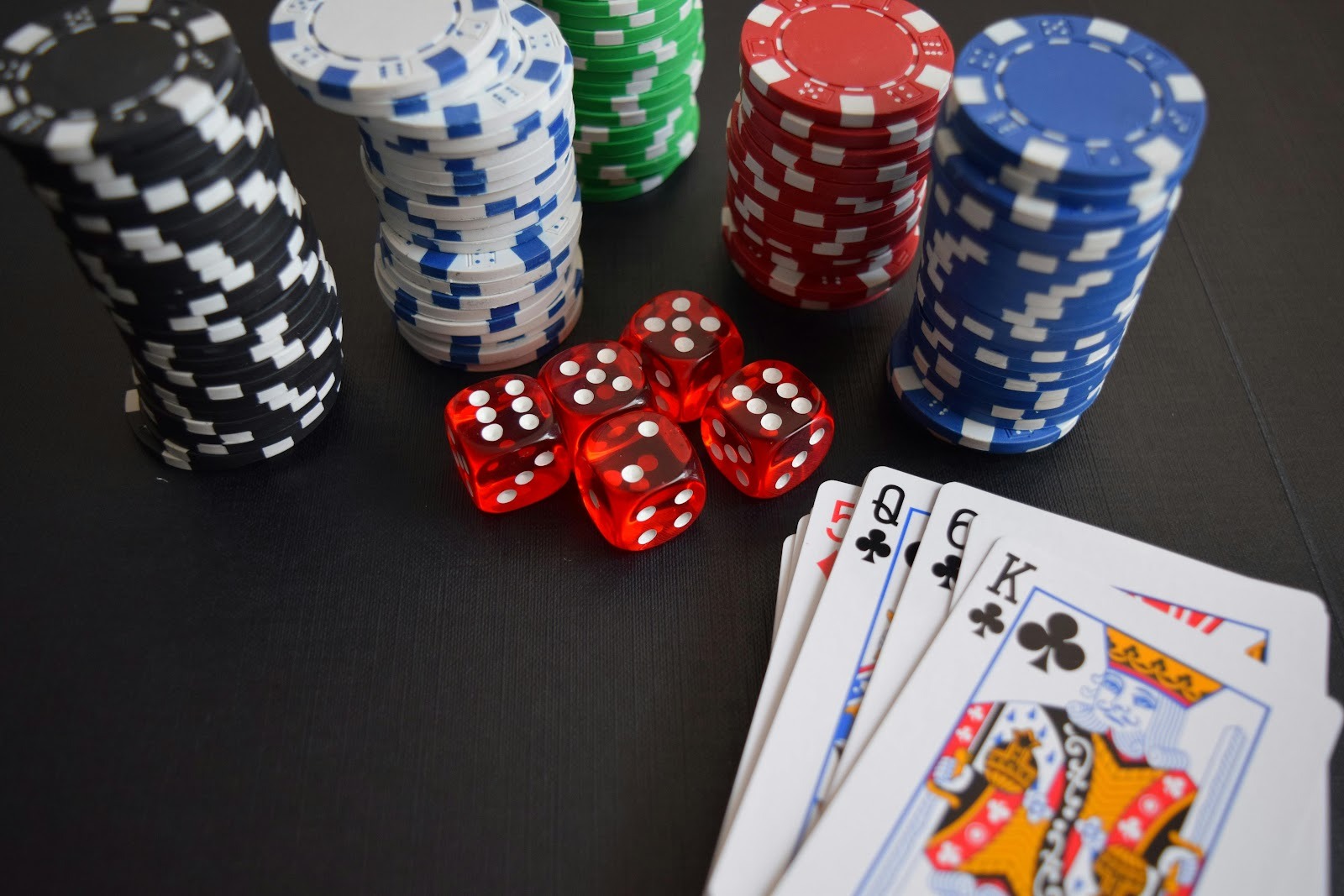
Online poker can look simple. You see cards, you bet chips, you try to win pots. But for someone who has never sat at a table, it is easy to feel lost. There are betting rounds, blinds, pots, position and hand rankings to absorb before you begin to think about strategy. Free poker games and play money tables give learners a space to focus on those fundamentals without the fear of losing money.
That low-risk environment matters because it changes player behaviour. Many sites that allow you to try poker without stakes sit next to other gambling options like online casinos in Canada, where players can click directly from a rules page into a free table and learn mechanics at their own pace before considering real money play. This sort of frictionless introduction is one reason beginners stick with poker long enough to understand the basics, rather than quitting after a few confusing hands.
Poker has a measurable skill component
There is a long debate about whether poker is mostly luck or skill. Peer-reviewed research shows that skill becomes visible over many hands of play. A large academic study looked at hundreds of millions of real money online poker hands and found that players who performed well in one period were much more likely to perform well in a following period. That persistence indicates that skill, not chance alone, influenced outcomes once a player had experience with many hands.
This finding means that learning and experience matter. Beginners who practice free poker will see patterns they can later recognise in real money play. The study suggests that skill becomes statistically relevant after roughly 1500 hands, a scale most beginners do not reach in a single session but can begin to approach with no-cost tables.
What free play actually teaches
Free poker tables remove the core pressure of financial risk. Players see how the software interface works. They learn where buttons sit. They learn how the cards progress through preflop, flop, turn and river. Those are procedural skills. They are not strategy. They are the scaffolding that makes strategy possible.
Research on learning and interactive environments shows that repeated exposure in low-risk conditions helps players internalise rules more reliably than jumping straight into high stakes games where fear of loss can shut down experimentation. Although this research is not poker-specific, it applies to any complex task that combines pattern recognition with timed decision making.
Beginners also get to practise fundamental terminology like “fold,” “check,” “call,” and “raise.” Those terms have precise meaning at the table, and understanding them early reduces confusion when stakes are real.
Confidence comes from familiarity
A separate line of research into gambling behaviour shows procedural familiarity is linked to player engagement. Studies of online poker participants find that players who are comfortable with the interface and flow of play are less likely to drop out quickly, even when they move into real money play. For many beginners, that confidence arises in free play environments, where mistakes are not costly and rules can be rehearsed without pressure.
Another longitudinal study of online play behaviour found that many online poker players display stable patterns of engagement over time, meaning beginners who find a rhythm in no-cost games may be more likely to continue playing and improve.
What free play doesn’t teach
Free poker tables have limitations that matter. Without real money on the line, players often behave wildly. They chase weak hands. They bluff without consequence. They call large bets with little rationale. Those behaviours are common in no-cost play because opponents do not risk anything.
The peer-reviewed PLOS ONE study makes this limitation explicit. Skill dominance only emerges once players experience repeated hands under conditions where results matter. Free play cannot reliably simulate the psychological pressure and strategic restraint that real money introduces.
This limitation means that free poker is effective up to a point. It teaches the mechanics of play and builds familiarity. It does not reliably teach disciplined real money strategy because the incentives differ between hypothetical chips and real stakes.
How beginners can use free poker wisely
The evidence supports a staged learning approach. First learn the rules and interface on no-cost tables. Then find low stakes real money games or low buy-in freerolls if you choose to continue. That way the transition preserves some of what was learned in practice while exposing you to the real consequences of bets.
A study looking at player performance and skill differences shows that players do improve with experience and drop out if they cannot maintain performance under real stakes conditions. This pattern suggests free play alone is not enough, but it is a necessary first step for many beginners before they can learn how decisions play out where money is real.
Psychological aspects of online poker
Online poker also engages cognitive and emotional skills beyond rules and mechanics. Research in the Journal of Behavioral Addictions shows that experienced players tend to have higher emotional stability and better control under pressure than novices. That study linked emotion regulation to experience levels, implying that psychological competencies develop over time with exposure to real play conditions.
This does not mean beginners are inherently disadvantaged. Rather, it means that poker rewards both procedural fluency and emotional management. Free poker helps with the former. The latter comes from experience and reflection on actual results.
Free poker in perspective
Don’t look at free poker games and play money tables as shortcut to success. They aren’t a replacement for real money experience. But they serve a clear purpose: they let you learn how poker works without dismissing the game outright because of early confusion.
Research consistently shows that poker outcomes reflect skill over time when real consequences are attached. Free poker is where you start that journey, not where you finish it. By separating learning from financial risk, free play reduces early barriers and helps you understand what poker asks of you before you decide whether to continue.


Why Internal Linking Matters for Website SEO

Leading AI Video Generators for Creators in 2026

Optima Tax Relief Explains What an IRS Audit Lawyer Does and How They Protect You

The Physiology of Good Decisions: How Damian Creamer Manages Energy, Not Just Time

Stakeholder Capitalism’s Persistent Advocate: Lynn Forester de Rothschild and the 2026 ESG Rankings
Leading AI Video Generators for Creators in 2026

How Time for Leisure Can Support Your Productivity

Corporate Accountability in 2026: The Rise of “Responsible Tech”

How Esports Grew From Local Tournaments Into A Global Industry
