
Why Do Some Interstate Highways Keep Producing Fatal Crashes Year After Year?

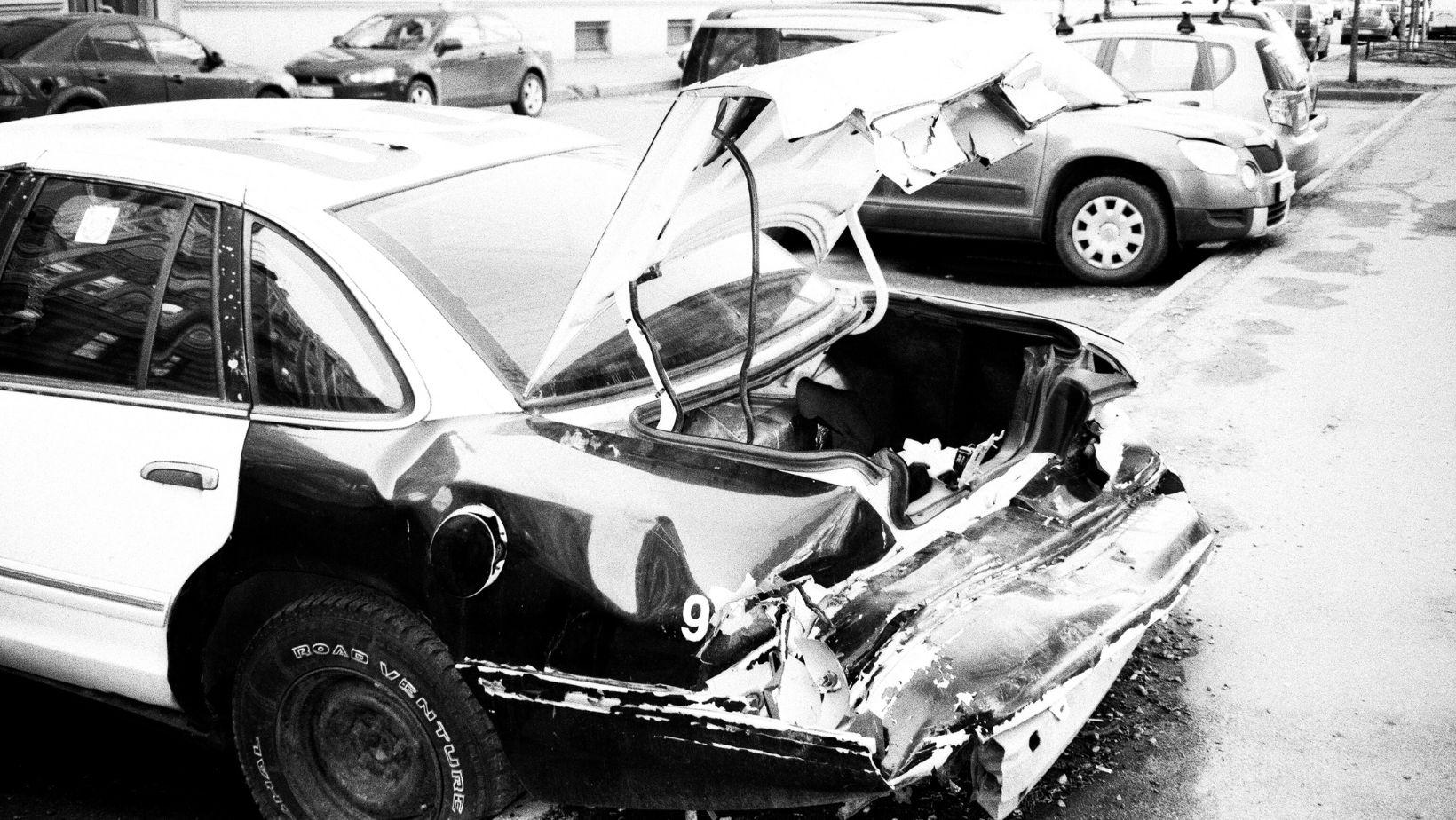
In Florida and elsewhere, highway infrastructure generally gets safer over time. You get more lanes, better signage, improved lighting, etc. But certain interstates appear in fatal crash reports with a regularity that defies logic.
If you search for a recent fatal car accident in Florida yesterday, most of the results will point to I-4 or the corridors nearby. It is not a coincidence. On some highways, the combination of high speeds, diverse drivers, and interchange design often leads to crashes. These are issues that routine maintenance or an upgrade cannot resolve.
Getting into the roots of crashes
Not all crash-prone highways are created the same way. Some stretches become dangerous because of design flaws. These could include a blind merge, a poorly timed signal, or a sharp curve.
However, some highways pose structural and layered dangers. There are so many contributing factors. Interstate 4 in Florida is one relevant example here. Connecting Daytona Beach to Tampa via Orlando, it covers approximately 132 miles. It is known as one of the USA’s most dangerous interstates.
Why do certain highways remain crash-prone?
Several conditions make highways more crash-prone than others.
• Highways like the I-4 carry an unusually wide mix of drivers and cars. There are local commuters, theme park tourists in rental cars, long-haul truckers, and seasonal drivers. Their driving habits are very different. When they all get on the road, the gap between expectations and reactions is huge. That adds to crash risks.
• These highways deal with plenty of interchanges. Think of the Orlando metro section of I-4. Drivers are constantly merging, exiting, crossing, and re-entering across multiple lanes within short distances. For inexperienced drivers, sudden speed changes and unexpected vehicle direction changes can increase crash risk.
• California shows a similar pattern on heavily traveled interstate corridors. The May Firm identifies Interstate 5, Interstate 10, Interstate 15, Interstate 40, and Interstate 805 among California roads with high incidences of traffic accidents. A California accident lawyer at The May Firm may examine roadway conditions, driver conduct, vehicle evidence, and crash records when determining how a serious highway collision occurred. The firm reports recovering more than $150 million for auto accident victims across California, providing a documented record of handling the type of serious crashes discussed here
• Some highways are more dangerous because of what surrounds them. There are several tight medians, no run-off room, barriers positioned close to travel lanes, etc.
The tourism factor seeps in
Some highways in Florida cope with a heavy influx of tourist cars and drivers. Local drivers can learn the risky areas over time, but new drivers and tourists often fall short. They tend to get into crashes more than locals, especially during peak season. This happens because they do not often conduct adequate research into the issues affecting these highways. If you search the portals like localaccidentreports.com, you will find several such news reports.
Doing a reality check
Some highways in and near Florida keep producing fatal crashes year after year. The reality is they were made for a traffic reality that no longer exists. The traffic and driving patterns have changed a lot over the year. It can be a difficult issue that can’t be solved with road repair and technology upgrades.
Final thoughts
While some highways in Florida are accident-prone, it does not mean you can’t drive on them altogether. However, you should be alert to traffic congestion, climate issues, etc., whenever possible, and try to use alternative routes for commuting or trips. Accidents can happen anytime, but that does not mean that you will not be careful.


Why Internal Linking Matters for Website SEO

Leading AI Video Generators for Creators in 2026

Optima Tax Relief Explains What an IRS Audit Lawyer Does and How They Protect You

The Physiology of Good Decisions: How Damian Creamer Manages Energy, Not Just Time

Easy Ways to Organize and Work With Digital Documents

Practical Ways to Turn Motivation into Consistent Habits

Why the Headline Price Rarely Tells You the True Cost of a Major Financial Decision

Where to Find Personal Finance Content on BetterThisWorld.com

How Entrepreneurs Can Evaluate Online Business Advice
