
Understanding the Advantages of Mobile, Off Grid Surveillance Units

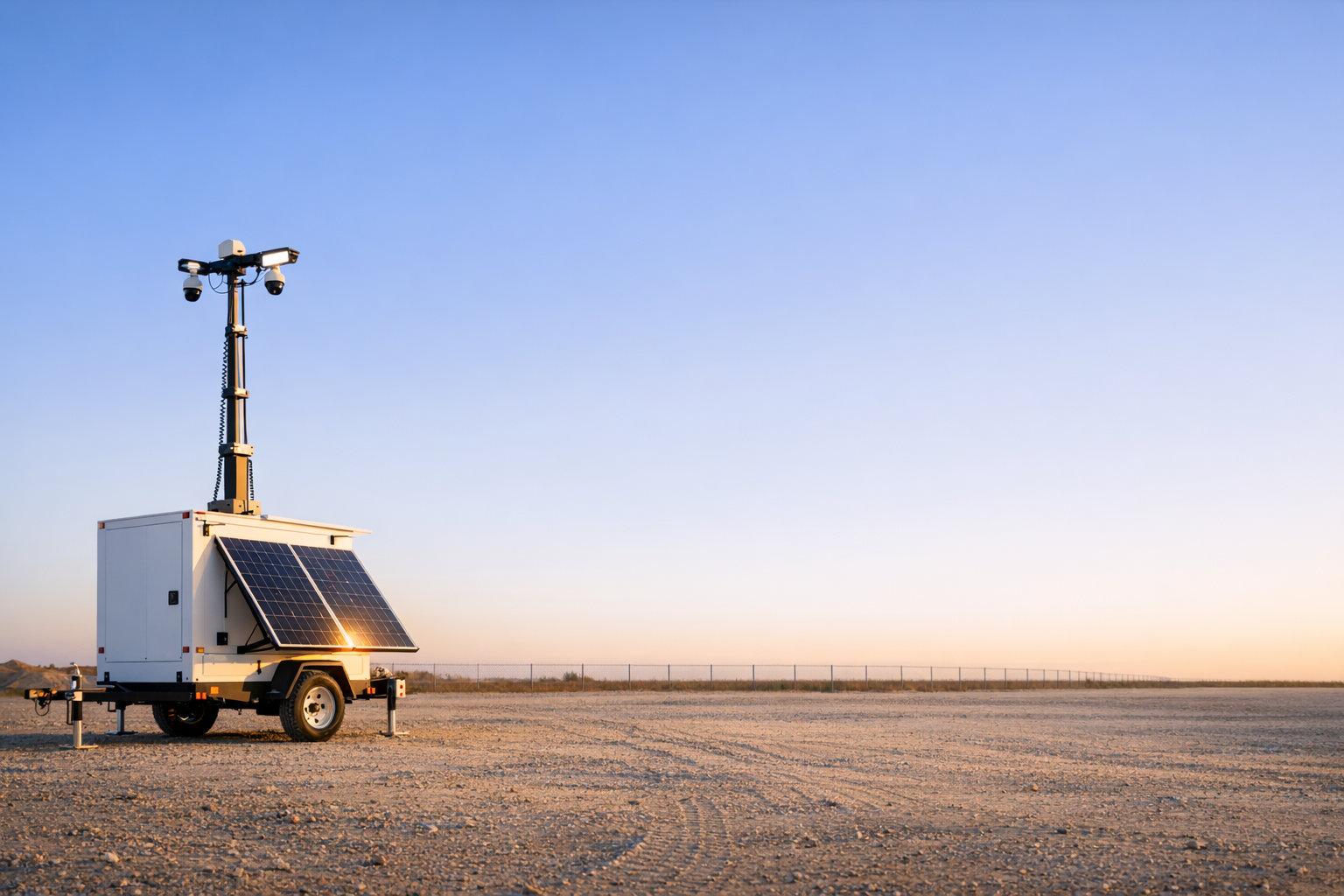
Flexible security infrastructure is now common in workplaces, construction sites, and temporary venues. Mobile surveillance units provide practical options when rapid deployment or reliable, off-grid monitoring is needed. This article discusses specific ways mobile, off-grid security solutions improve safety, operational efficiency, and daily routines for organizations and individuals.
Changing safety needs require adaptable security strategies. With solar powered mobile surveillance trailers, organizations can respond to new risks without lengthy installation, using equipment designed for sites that change over time. For example, on construction sites where project boundaries evolve or at emergency response bases set up in remote areas after storms, these units deliver monitoring to locations lacking permanent infrastructure. By understanding the realistic capabilities and appropriate uses of off-grid surveillance, users can improve site stability and streamline operations for projects of varying durations or locations.
Core components and unique operational features
Mobile surveillance units integrate essential security equipment into self-contained systems that operate independently of permanent infrastructure. Common features include high-definition cameras, extendable masts for broader coverage, onboard lighting, rechargeable batteries or solar power units, and local storage for video data.
These systems achieve off-grid operation through independent energy sources such as solar panels or built-in batteries, allowing them to function where power is unavailable. They often include cellular or wireless connectivity, enabling live monitoring and instant alerts even in remote areas, like utility substations or temporary field offices during infrastructure repairs.
Applications for temporary and dynamic environments
The ability to redeploy equipment quickly is crucial at sites with changing layouts or time-limited use. On construction projects, units can monitor evolving work zones or storage areas by relocating as needs shift. For example, as heavy equipment is moved around a large property, the cameras can be repositioned to maintain oversight and deter theft.
For seasonal festivals or sporting events, mobile units help manage crowd movement, document incidents, and deter vandalism. Parking areas temporarily set up for such events, or at pop-up shopping areas, benefit from added visibility when installing fixed cameras is impractical. Off-grid capability is essential in places like energy utility fields or rural disaster response, where no power grid is present but oversight is still needed.
Reliable performance through off-grid power sources
Because these surveillance systems do not depend on local electricity, organizations can avoid complex installations and work within tight project schedules. Security planning can occur alongside other site preparations, without waiting for electrical upgrades or grid connections.
If power is lost during storms or outages, mobile surveillance units powered by solar or battery systems keep running, providing continuous coverage and recording during critical times. This resilience is valuable for protecting equipment at construction projects or documenting emergency support activities, and it supports contingency plans in areas where stability of the power grid is uncertain.
The connection between safety, wellbeing, and routine
A secure environment can help lower stress and allow staff to focus on their tasks. Construction teams, event organizers, or remote workers benefit from consistent surveillance, making it easier to monitor access and respond to issues after hours or in areas with fluctuating risk.
Research indicates that predictable, visible safety practices contribute to smoother workflows and greater trust among teams or event participants. While mobile surveillance units do not replace careful human supervision, they streamline risk management and reduce uncertainty in fast-changing settings, such as mobile clinics or temporary storage sites.
Important considerations in deploying mobile surveillance
Deploying mobile surveillance requires attention to privacy and proper planning for each site. For example, cameras should be positioned to cover planned perimeters without intruding on neighboring properties or shared community spaces. Before installation, factors such as line-of-sight, weather protection, and wireless signal strength should be evaluated for each new deployment.
While mobile units offer valuable monitoring, they are not a standalone solution. Physical barriers, clear site rules, and established communication channels should be part of a broader safety plan. Combining mobile surveillance with staff oversight produces the most balanced results when securing dynamic or temporary locations.


Why Internal Linking Matters for Website SEO

Leading AI Video Generators for Creators in 2026

Optima Tax Relief Explains What an IRS Audit Lawyer Does and How They Protect You

The Physiology of Good Decisions: How Damian Creamer Manages Energy, Not Just Time

Easy Ways to Organize and Work With Digital Documents
Leading AI Video Generators for Creators in 2026

Corporate Accountability in 2026: The Rise of “Responsible Tech”

How Time for Leisure Can Support Your Productivity

How Esports Grew From Local Tournaments Into A Global Industry
