
LGBTQ Dating Tips in Conservative Regions: Finding Connection When the World Feels Small

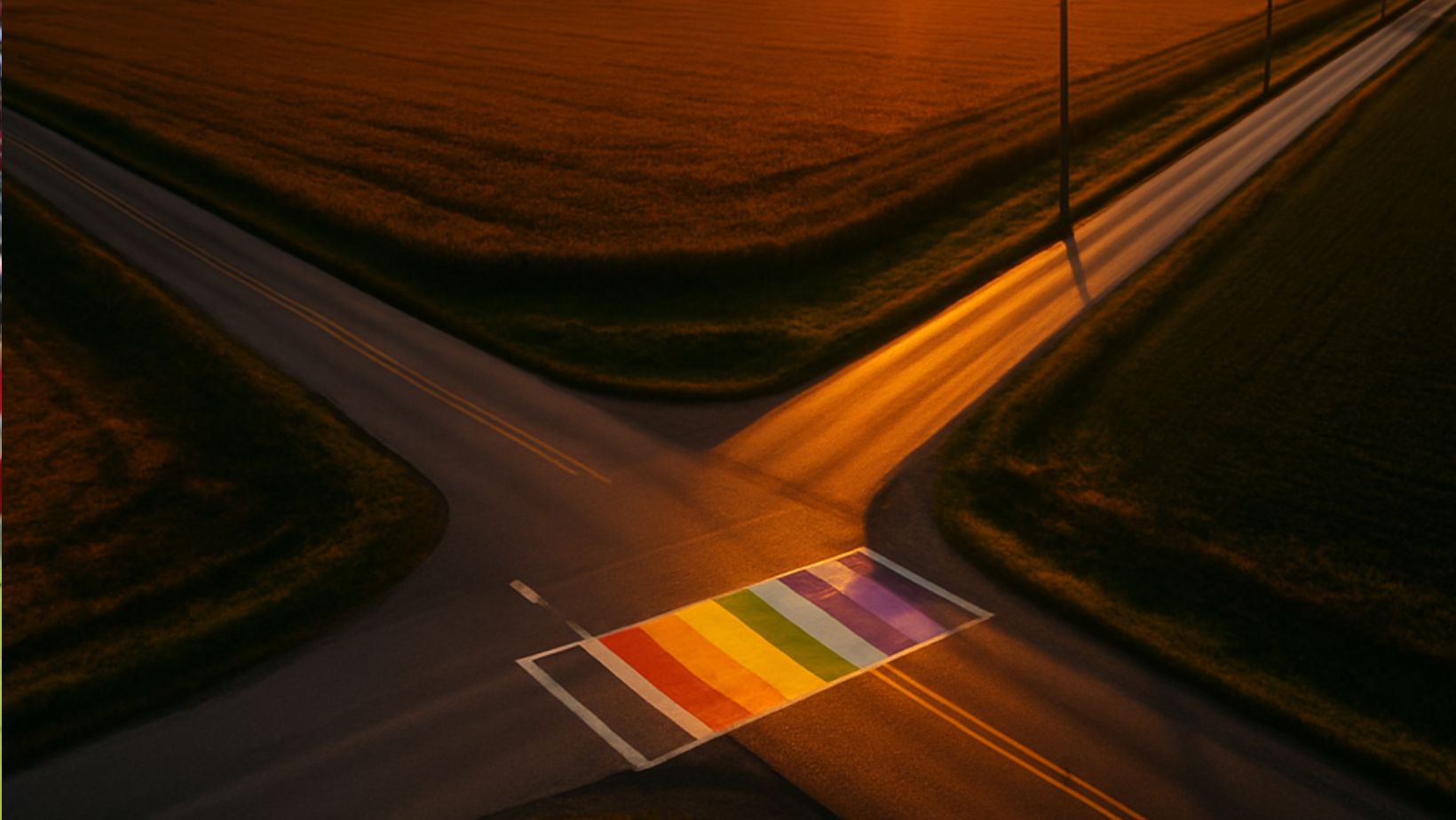
Dating as a queer person shouldn’t feel like stepping into a spotlight — but in many conservative states and scattered rural areas, that’s often how it goes. When the local dating pool is tiny, when everyone seems to know everyone else’s business, and when LGBTQ dating in conservative regions comes with extra questions about safety and judgment, even a simple crush can feel complicated.
Still, people date everywhere — even in towns where the queer community is barely visible. And you’re not wrong for wanting that too. Wanting to meet someone, wanting to be seen, wanting a night that feels normal — that’s human.
This guide to LGBTQ dating tips in conservative regions isn’t about pretending things are easy. It’s about giving you grounded tools that help you move through all of this with more confidence and less fear. Whether you’re navigating apps, dealing with silence from your town, or simply trying to protect your mental health while keeping a bit of hope open, your experience matters.
Let’s talk about how to do that safely — and how to keep LGBTQ dating safety front and center without letting fear run the whole show.
Understanding the Landscape of Rural America
Dating in rural America feels different from dating anywhere else. Small towns move at their own pace, and people often grow up together, worship together, and stay close to the community long after high school. That web of familiarity can be warm — but for queer folks, it can also feel like there’s no such thing as privacy. When the local queer community is tiny or mostly invisible, choosing when and how to show yourself becomes part of everyday life.
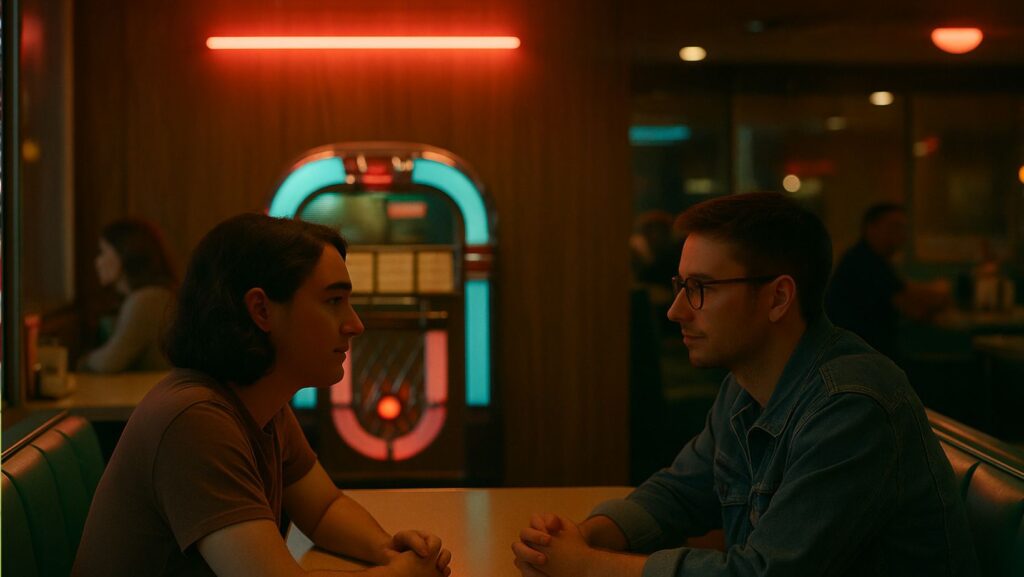
A lot of this comes down to the area’s cultural traditions and the influence of the church. These institutions aren’t automatically hostile, but they shape what’s considered “normal,” and anything outside that mold stands out quickly. For LGBTQ people, that can mean second-guessing simple things: a profile picture on a dating app, a like on someone’s post, or even who you sit with at a diner. You’re always aware that word travels fast.
There’s also the issue of access. In many parts of America, especially outside cities, gender-affirming care is limited or requires long drives and long waiting lists. That lack of supportive health care affects more than transition-related needs — it changes how safe you feel expressing yourself at all. And when the state’s population is small, every choice feels magnified, because there just aren’t many places to blend in.
Online tools help, but they’re not simple either. On dating sites, the pool is small, and you might recognize half the faces — or they might recognize yours. Location settings can reveal more than you want them to, and it’s easy to worry that your profile will end up in a group chat you never asked to be part of.
None of this means dating is impossible. It just means the landscape is different. Once you understand the terrain, it’s easier to decide how you want to move through it — on your terms.
How to date as queer in conservative states
Trying to date as queer in conservative states often feels like you’re juggling two versions of yourself — the one you want to show, and the one you keep tucked away until you know it’s safe. Small towns have long memories, and word gets around fast, sometimes faster than you’d like. That alone can make dating feel less like excitement and more like strategy.
In places where everyone seems to know each other’s high school mascot, the simplest advice is to pay close attention to how someone treats people they don’t need anything from — their friends, a server at a café, the quiet neighbor next door. If they make mean comments about a gay coworker or mock a woman for dressing “differently,” that’s not just a bad vibe — it’s information. On the flip side, if someone listens well, respects boundaries, and doesn’t flinch when conversations get honest, that says a lot too.
When planning a first date, go somewhere you genuinely feel safe. In bigger cities this might be an after-work bar; in smaller towns it might just be a coffee shop where people mind their own business. The point isn’t secrecy — it’s comfort. You don’t owe the whole town your story just because you showed up somewhere with a new face.
Finding like-minded people in conservative areas can take longer, and sometimes they show up in unexpected places — the quiet person at the library, the friend of a cousin, someone you’ve seen around but never really noticed. Let yourself imagine those possibilities without assuming everyone is a threat or, on the flip side, assuming everyone is an ally.
You don’t have to rush anything or prove anything. Take your time, get a real feel for the person in front of you, and move at a pace that actually feels comfortable — not whatever pace the town tries to set.
Unique Challenges of trans dating in conservative regions
Dating as a trans person outside big cities comes with realities people don’t always talk about out loud. In small towns, where everyone knows someone who knows you, the simplest step — matching with someone, walking into a diner, even hinting that you’re seeing somebody — can feel heavier than it should. The challenges aren’t abstract. They show up in day-to-day moments.
The Realities of Dating While Trans in Small Towns
When you’re dating while trans in a place where privacy is basically a rumor, you end up doing a lot of quiet math. Can you trust this person? Will they keep things private if you ask? What happens if their cousin — the one with the MAGA hat in every profile picture — spots you together?
People’s reactions vary. Trans women often deal with assumptions that appear out of nowhere, and sometimes from people they’ve only just met. Trans men get a different kind of pressure — not hostility so much as disbelief or odd curiosity. And non-binary folks get hit with the classic “I don’t get it” response, which can be just as tiring when all you want is a normal date.
A trans person rarely gets to ease into things. There’s always that background awareness of how quickly stories travel in small towns. You might like someone, enjoy the conversation, even feel a spark, and still catch yourself checking the exits or wondering who just walked in.
How Limited Resources and Local Culture Shape Trans Dating
Access to gender-affirming care — or the lack of it — affects dating more than people admit. When the nearest supportive clinic is hours away, or when politics turn a routine appointment into a fight, it chips away at your sense of stability. It’s hard to relax on a date when the world keeps reminding you that the basics aren’t guaranteed.
Local culture adds its own pressure. Traditional ideas about masculinity, femininity, and how people “should” look make it harder for a trans woman to just exist without being stared at, or for a trans man to be taken seriously without someone turning his identity into a conversation topic.
People still find ways to date, even in places that make it harder than it needs to be. Sometimes it’s messy, sometimes it’s slow, but connection still happens. What matters most is that you don’t lose yourself trying to make things work. Take the moments that feel good and safe, and don’t force the ones that don’t.
Using online tools safely
Dating apps aren’t perfect, but in small towns they can feel like a bit of breathing room. You get to choose who sees you, what you share, and when you share it — and for a queer person trying to stay low-key, that kind of control matters. It lets you meet people without automatically alerting the whole town that you’re talking to someone new.
Platforms that focus on trans dating help even more. They give you space to show up as yourself without having to worry that your dating profile will pop up on a cousin’s phone or end up in a local group chat. When only a few queer folks exist openly in your area, those apps widen the world a little — new faces outside your usual group, people who understand why privacy isn’t a “preference,” it’s protection.
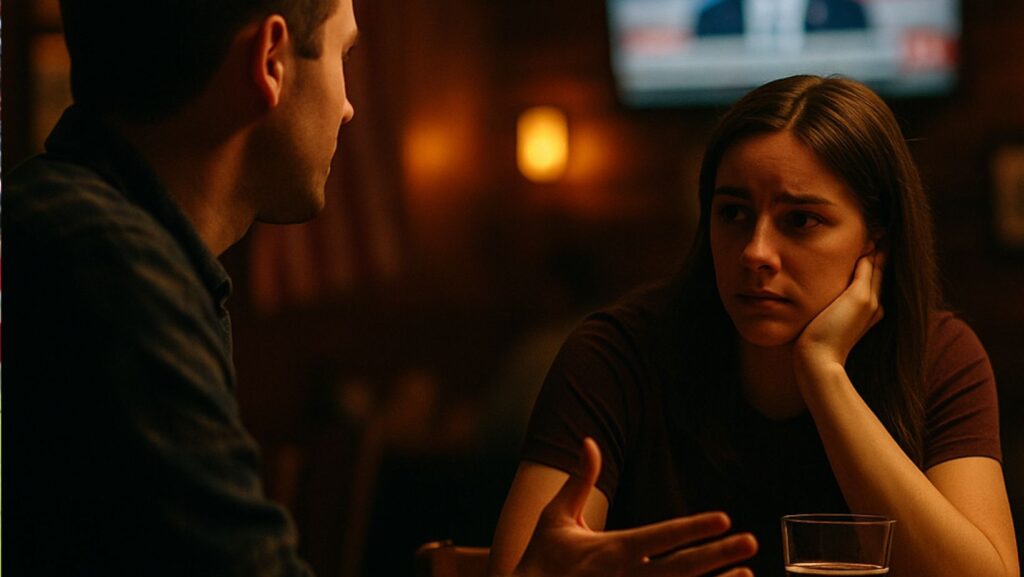
There’s still the usual online uncertainty. You’re wondering who’s really on the other end, what’s going on in their head, and whether meeting in person will actually feel comfortable. Keep things simple: talk long enough to get a sense of them, pick a public spot, and keep the first meet-up short — an hour in the early night is plenty.
The main point isn’t to treat online dating like a perfect safety net. It’s to use it as a tool that gives you more control over how and when you connect. In conservative areas, that control can make dating feel possible instead of risky.
Red flags to watch for on a first date
Meeting someone new in a conservative town comes with its own set of nerves. It’s not just the usual first-date butterflies — it’s reading the situation fast, because you don’t always get the luxury of finding out slowly. Some signals feel obvious, others show up in passing comments or the way someone behaves when they think no one notices. Paying attention early can save you a lot of trouble later.
When Secrecy Stops Being About Privacy
Going slow is normal. Being treated like a secret isn’t.
If someone hints right away that their family members can “never find out,” or keeps steering you toward out-of-the-way spots, that’s a shift worth noticing. Sometimes it’s about safety, but sometimes it’s rooted in old patterns of hate they’ve never challenged.
You can feel it in the tone: the jokes, the nervous scanning of the room, the “just don’t mention this to anyone” reminders. In places where queer people and trans people get talked about more than they get understood, that pressure lands hard. And if you’re already shrinking yourself to make them comfortable, that’s your signal — not theirs.
Fetishization and the Strange Questions That Come With It
Another red flag is when someone seems more curious about your identity than about you as a person. If their questions jump straight to your past, your body, or what it’s like to date someone “different,” that’s a problem — especially if they frame it like they’re just being honest.
Some people try to pass it off as open-mindedness: mentioning what their father once said, comparing you to stories from urban areas or large cities, or insisting they’re fine with everything “as long as no one makes it awkward.” But when you’re treated like an experiment instead of a potential partner, the line to discrimination gets crossed fast.
Political Hostility Disguised as ‘Just an Opinion’
In conservative regions, politics often blends into dating in ways you don’t expect. If someone jokes about queer issues, shrugs off harmful laws, or claims “most people around here feel the same,” that’s not casual conversation — it’s a look at how they’ll treat you when things get real.
Some will try to downplay it: “You can’t expect everyone to understand,” or “It’ll be pretty easy if we avoid certain topics.” That usually means you’re expected to stay quiet for their comfort.
Watch the smaller things, too — how they act when another customer walks in, how they talk about one man everyone in town seems to know, whether they suddenly change the subject. In places where your relationships can become gossip in a single afternoon, those reactions say more than the words.
Practical safety advice for LGBTQ people in rural areas
Dating in a small town can feel different from dating anywhere else. For LGBTQ people, safety isn’t just about choosing the right person — it’s also about choosing the right setting, reading the room, and knowing how the community around you works. Here are grounded, real-world tips that people actually use when dating in rural areas.
1. Start with a public place
A familiar café, a diner, or a busy park gives you room to breathe. In rural towns, being in public doesn’t mean being watched — it means you have space to observe the vibe and leave if something feels off.
2. Share your plans with someone you trust
Send your location or check in before and after the date. It takes almost no time and gives you a safety net, especially in areas where help can be a few miles away.
3. Get a feel for the town’s atmosphere
Some towns have small pockets of acceptance, even if they’re not visible at first. If there are any trans-friendly bars, it’s usually a sign that queer folks are quietly present. If there aren’t, that’s fine — just move at your own pace.
4. Look up the local laws
Knowing basic laws in your area helps you understand what protections exist and where the gaps are. Even within the same country, rural regions can differ dramatically in how they treat people. It’s better to know before you need the information.
5. Don’t hesitate to widen your radius
Plenty of people travel to nearby urban areas, a big city, or even large cities for dates. It’s common, not dramatic. Bigger areas offer more anonymity and more space to be yourself. No shame in that — it’s just practical.
6. Pay attention to how someone talks about their past
Listen for how they describe their past, exes, or a former wife. If they talk about queer people with discomfort or dismissiveness, that’s important. Their tone tells you more than their words.
7. Have your own exit plan
Drive yourself if you can. Keep your phone charged. Sit somewhere you can leave without creating a scene. In rural spots where blending in can be impossible, having control of your exit keeps things steady.
8. Expect a little awkwardness — and trust your read
Bias in small towns doesn’t always show up loudly. Sometimes it’s a subtle joke or a quiet shift in tone — a small moment of discrimination. The majority of people aren’t hostile, but not everyone knows how to handle queer relationships. Trust your instinct.
9. Make space for hope
Hope doesn’t mean pretending everything is perfect. It means believing that connection is possible, even if it takes time. Rural dating can surprise you — the right person might be closer than you think, and meeting them might change your view of what’s possible in your world.
Finding community and connection beyond the dating app
Not every kind of connection comes from swiping. In small towns, even a loose circle of support groups or regular meetups can make a huge difference. These spaces give queer people a break from watching every word, and they often grow out of simple things — a few friends who check in, or one man who turns out to be more understanding than anyone expected in a conservative town.
Real community can show up in places you wouldn’t think about: a book club, a neighbor who’s tired of the same old blue opinions around them, or a coworker who quietly lets you know they’re on your side. Local history shapes how open people seem, but every moment brings chances for things to shift, even in a nation that still feels divided.
Sometimes the most meaningful connection isn’t a big group at all. It’s a partner who sees the other side of your life and doesn’t make you explain it.
When it’s time to leave — protecting your mental well-being
At some point, the question quietly shifts from “Can I make this work here?” to “Is this still good for me?”
That moment can sneak up on you. Maybe it’s a date that felt tense for no clear reason, or a conversation at a café that made your stomach tighten. When danger becomes part of the routine (even if you’re not talking about it) that’s a sign things are changing. Small towns notice everything, and when the atmosphere around you shifts, you feel it first.
Barriers to care and the pressure they create
Trying to access anything close to gender-affirming care in rural areas can turn into a maze: long drives, long waits, and sometimes hostile policies that come from far away. Decisions made by the federal government trickle down into exam rooms and front desks, shaping who can help you and what paperwork you have to battle through. Even when nothing “big” happens, the constant uncertainty builds a kind of background fear that wears you down over time.
Family tension and the weight of mixed messages
Sometimes the hardest moments come from home. A father who makes a comment he thinks is harmless, a relative who cracks a sexual joke that lands wrong, or people who only understand half of who you are and act like that’s enough — all of it chips away at you. And when you don’t want to mention every slight or argument, the loneliness grows faster than you expect.
Most people assume you’ll endure it forever. They expect you to adapt, to stay quiet, to explain yourself patiently. But expecting that is asking too much of anyone.
Knowing when it’s time to choose something different
Wanting stability isn’t dramatic. Wanting comfort isn’t unreasonable. You’re allowed to want a life that makes sense, where you’re not constantly gauging the temperature of every room you enter.
For the most part, leaving a conservative town doesn’t mean abandoning it — it means choosing a place where breathing doesn’t feel like work. It means choosing yourself.
Final Thoughts
Dating in conservative regions isn’t simple, and you know that better than anyone. Some days it feels doable, other days it feels like the whole town is one long hallway with too many eyes. But even in places that move slowly, including spots in the South where change takes its time, people still manage to find connection in small, real ways.
If you’re sorting out what comes next, take it one step at a time. Keep the people who make you feel steady. Let go of what wears you down. And remind yourself that wanting safety and tenderness isn’t a big ask, it’s just part of wanting a life that feels like yours.


Bug Bounty Programs: Paying Hackers to Find Vulnerabilities

Tools That Make Independent Living More Realistic

Emotional Overload: When There Is Too Much Going on at Once

Why Used Cars Still Make Financial Sense for UK Drivers

The Weight of Being the Person in Charge

Why Faster Decisions Beat Perfect Decisions in Modern Business

Nuclear Medicine Breakthroughs: Understanding Lutetium-177 Therapy

The Psychology of Play: How Structured Play Enhances Well-Being and Mental Flexibility

The Psychology of Play: How Structured Play Enhances Well-Being and Mental Flexibility
