
Is Crypto Gambling Becoming a Legitimate Investment Adjacent

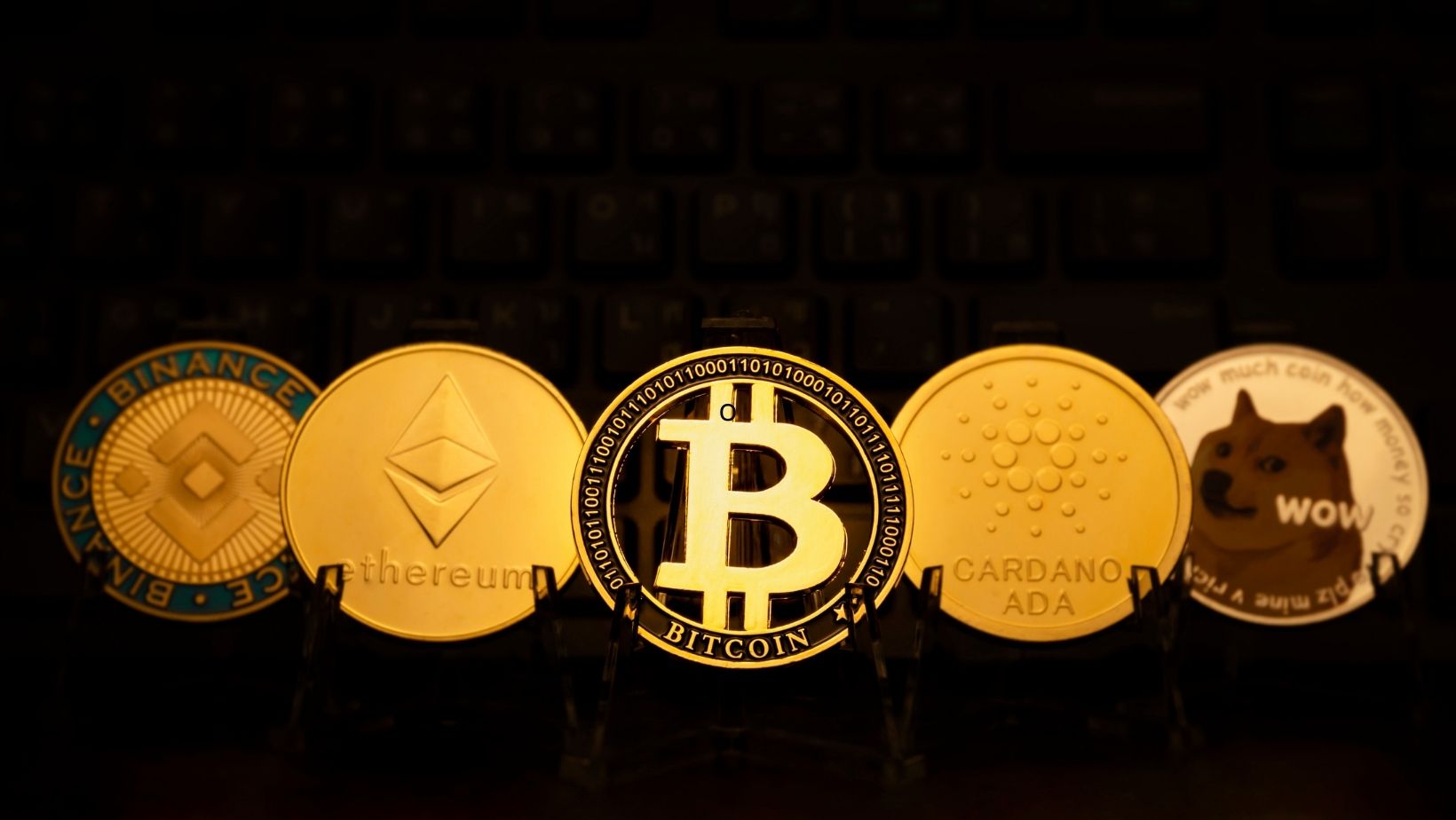
Crypto gambling is no longer sitting quietly on the fringes of the digital economy. Platforms built around blockchain-based wagering have grown in scale, technical sophistication, and cultural relevance. What began as entertainment now overlaps with how some users think about risk, capital allocation, and digital asset strategy.
The question isn’t whether gambling has become investing. It hasn’t. What’s changing is how closely these environments now resemble one another in design, behaviour, and mindset.
That shift is visible in how users approach platforms that accept digital assets. Payment rails, wallet integrations, and transparency features increasingly mirror those found in mainstream crypto services. The crypto casinos in Canada often prioritise the same criteria used by trusted fintech tools: liquidity, security, and usability. The conversation has moved beyond games alone and into how these systems fit within a broader crypto stack.
Entertainment Versus Speculation Boundaries
At a functional level, crypto gambling platforms still sell entertainment. Outcomes are probabilistic, and the house retains an edge. Yet the user experience increasingly resembles speculative trading rather than casual play.
Real-time dashboards, on-chain verification, and instant settlement create feedback loops familiar to anyone who has traded volatile tokens. Bets feel less like isolated moments and more like positions taken within a fast-moving market. This matters because perception shapes behaviour, and behaviour drives risk.
Scale has also changed the narrative. Crypto casinos were expected to generate $81.4 billion in revenue by last year. Numbers like that push these platforms into the same economic conversation as established crypto exchanges.
How Crypto Platforms Handle Risk
Risk management is where the investment comparison becomes most tempting, and most dangerous. Many crypto gambling platforms now rely on stablecoins to reduce volatility at the transaction level, offering users a sense of price certainty that early crypto ecosystems lacked.
Smart contracts add another layer. Automated payouts and provably fair mechanics reduce counterparty risk, at least in theory. AI-driven personalisation further nudges behaviour, optimising offers and interfaces in ways borrowed directly from fintech and trading apps.
Still, structural differences remain. There is no diversification benefit in a roulette wheel, no fundamental analysis behind a dice roll. The technology may look familiar, but the risk profile is fundamentally skewed toward loss rather than growth.
User Behavior In Token-Based Play
Where the lines blur most clearly is in user behaviour. The same demographic that flocks to high-risk tokens appears comfortable with high-frequency wagering.
Survey findings highlighted by MarketWatch show that 20% of cryptocurrency holders gamble online daily, compared with just 7% of non-holders. That overlap suggests a shared appetite for volatility rather than a clear distinction between “investor” and “gambler.”
This convergence explains why language around “strategy” and “bankroll management” has become common in crypto gambling spaces. These terms borrow credibility from investing, even when the underlying math doesn’t justify it.
Where Crypto Gambling Fits Financially
So, where does this leave crypto gambling in a personal finance context? It doesn’t replace investing, but it increasingly sits adjacent to it in user portfolios and mental models.

For entrepreneurs and self-directed investors, the real takeaway is about boundaries. Platforms may feel professional, transparent, and data-driven, yet their core purpose remains entertainment. Treating them as speculative tools rather than financial instruments helps preserve clarity.
The bigger picture is about digital finance maturing unevenly. As infrastructure improves, more activities will adopt the language and tooling of investing. Knowing when that language reflects real value creation, and when it doesn’t, is quickly becoming a core financial skill in 2026.


How Device-Level Analytics Change Streaming Optimization

How Streaming Affects Canadian Betting Habits

How French Festivals Add Extra Magic to Your Travel Experience

Astrology in HR: How Employers and Candidates Really Feel About the Esoteric Trend

Institutional Interest in Solana: What’s Driving Confidence?

Fintech Debates Abound as Canada Prepares to Host 2026 World Cup

Best eSignature Solutions to Streamline Lifestyle

The Hidden Math Behind Free Spin Offers

7 Finest Technology and Analytics Leadership Programs in 2026
