
Social Security Number Verification: Rules, Risks & Methods

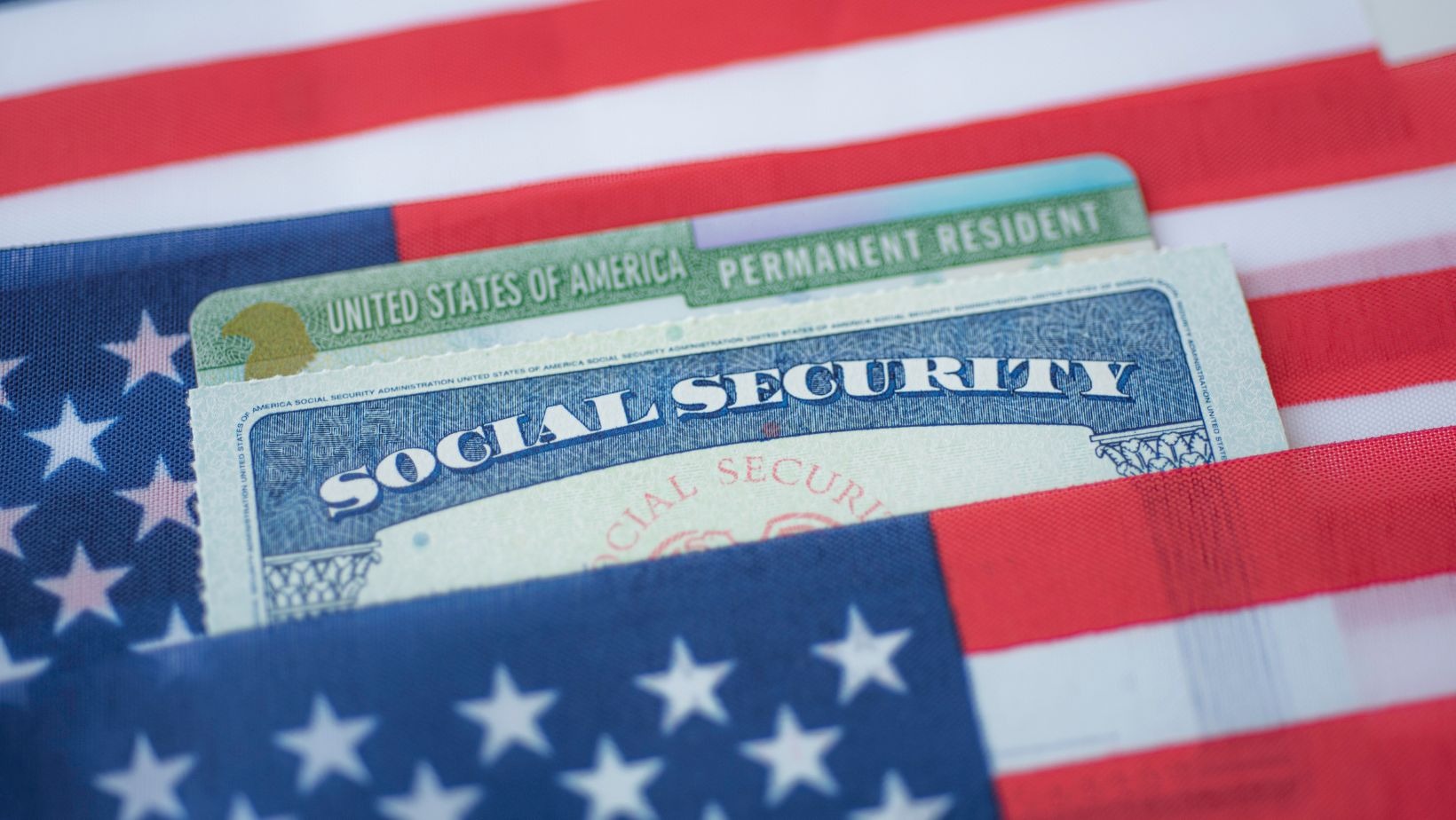
Even as digital identity systems and biometric authentication gain momentum, the Social Security Number (SSN) still stands as a cornerstone of identity verification (IDV) in the United States. This nine-digit identifier is a key element of Personally Identifiable Information (PII) used by government agencies, healthcare institutions, and financial organizations alike.
However, the SSN’s ubiquity also makes it highly vulnerable. Despite being a unique identifier assigned to every US citizen and lawful resident, it lacks robust built-in protection. As a result, it’s a prime target for fraudsters, especially during tax season, when identity scams spike.
In this article, we’ll explore how SSN verification works, what rules and methods govern it, the most common fraud risks, and how organizations can strengthen their identity validation processes with modern technologies.
What Is a Social Security Number?
A Social Security Number is issued by the Social Security Administration (SSA) to citizens, permanent residents, and eligible temporary workers. It’s printed on a Social Security card that includes the individual’s name and signature. Typically, an SSN remains with its holder for life and plays a central role in identity management, wage reporting, and tax filing.
The Structure of an SSN
The SSN consists of nine digits, traditionally divided into three parts:
- The first three digits were once the area number, indicating the geographical region of issuance.
- The next two digits represented the group number.
- The final four formed the serial number.
However, since 2011, the SSA has implemented SSN randomization to enhance security and extend the lifespan of available numbers. This means that the digits no longer indicate the state or region of issuance. Area numbers like 000, 666, and 900–999 remain unused to prevent confusion or abuse.
In today’s context, an SSN is essentially a random numeric string rather than a coded structure like the machine-readable zone (MRZ) on passports or national IDs. This lack of built-in logic complicates SSN validation, since there are fewer automatic ways to verify authenticity or detect tampering.
Types of Social Security Cards
The SSA issues three versions of the Social Security card:
- For citizens and permanent residents, standard cards allow unrestricted employment.
- For temporary residents authorized to work marked “VALID FOR WORK ONLY WITH DHS AUTHORIZATION.”
- For non-employment purposes, labeled “NOT VALID FOR EMPLOYMENT.”
Despite these variations, the nine-digit number remains the fundamental identifier used in databases across federal and private systems.
What Is SSN Verification?
Social Security Number verification refers to the process of confirming that an SSN is valid and matches the correct individual’s information. It ensures that the number exists in the SSA’s records and that it corresponds with a specific name and date of birth.
However, SSN validation alone doesn’t prove identity ownership. It only confirms that a particular SSN is genuine, not that the person presenting it is its rightful holder. This gap creates opportunities for impersonation and fraud, especially when SSNs are used as standalone proof of identity.
Why SSN Validation Matters
Because the SSN is tied to sensitive activities such as wage reporting, credit assessment, and benefit distribution, accurate validation is essential. Incorrect or fraudulent SSNs can lead to financial loss, compliance breaches, and reputational harm for organizations relying on them.
Businesses that handle customer or employee data must follow strict SSN validation rules to meet regulatory obligations under laws such as the Fair Credit Reporting Act (FCRA). These rules are designed to ensure that social security number verification services are used strictly for legitimate, consent-based purposes.
The Three Essential SSN Verification Methods
The SSA offers two primary systems for SSN verification, with a third option available through external providers. Each method differs in access requirements, speed, and purpose.
1. Social Security Number Verification Service (SSNVS)
The SSNVS is a free online platform provided by the SSA. It enables employers to verify SSNs by matching employee names and numbers with official SSA records.
This service is typically used for wage reporting and employment eligibility verification. By confirming that the SSN matches the correct employee, businesses reduce the risk of payroll errors and prevent the use of false identities.
2. Consent-Based Social Security Number Verification (CBSV)
The Consent-Based SSN Verification (CBSV) system is a paid service that performs automated, high-volume SSN checks for organizations such as banks, lenders, and background screening agencies.
To comply with privacy laws, each verification requires the SSN holder’s written consent. This makes CBSV ideal for industries where identity accuracy is mission-critical, like credit reporting or financial services, while maintaining FCRA compliance.
3. Third-Party SSN Validation Services
Beyond the SSA’s official tools, several social security number verification services are available from credit bureaus and identity verification vendors. These platforms cross-reference SSNs with databases such as credit reporting systems or public records.
However, free online “SSN checkers” only perform surface-level validation, such as verifying the correct number format or detecting unissued ranges. They cannot determine whether the SSN actually belongs to a real individual, making them unsuitable for regulated or high-risk use cases.
Understanding SSN Validation Rules
Proper SSN validation rules ensure compliance and accuracy. Organizations must:
- Use SSN data strictly for FCRA-regulated purposes.
- Obtain informed consent before performing a verification.
- Protect SSN data under privacy laws, limiting access to authorized personnel only.
- Maintain up-to-date social security records to avoid mismatches or outdated data.
When implemented correctly, these steps establish a reliable process for verifying social security numbers while reducing fraud exposure.
Examples of SSN-Related Fraud
Despite its critical role, the SSN is one of the most misused identifiers in the US. Because it lacks embedded security features and appears in countless databases, it’s a frequent target of criminal schemes. Here are the most prevalent types of SSN fraud.
1. SSA Impersonation Scams
In these schemes, fraudsters pose as representatives of the Social Security Administration, contacting victims by phone, email, or even social media. They claim there’s an issue with the person’s social security number or that benefits are suspended.
Victims are pressured into “resolving” the issue, often by making payments or revealing personal data. Once obtained, this information enables further identity theft or financial fraud.
The SSA actively combats these scams through public awareness campaigns, offering resources and guidelines on recognizing and reporting fraudulent contact attempts.
2. Identity Theft
SSNs remain the foundation of identity theft in the United States. Once criminals obtain an SSN, often through data breaches or phishing, they can impersonate the victim to apply for loans, claim tax refunds, or open bank accounts.
A typical scam involves an email or text from a “bank” warning of suspicious activity and asking the recipient to confirm their SSN. Once entered, the data is stolen instantly and can be resold or used across multiple fraudulent schemes.
3. Synthetic Identity Fraud
The most advanced form of SSN exploitation is synthetic identity fraud, where attackers create entirely new personas by combining real and fake data.
A criminal may take a legitimate SSN and pair it with an invented name, birthdate, and address, sometimes enhanced with AI-generated photos. These fabricated identities pass superficial checks because the SSN validation itself succeeds. Once established, these synthetic identities can obtain credit cards, loans, or even passports, causing significant damage to both victims and institutions.
How to Strengthen SSN Validation with Modern Methods
Because an SSN doesn’t contain sufficient identifying information on its own, it should never be used as the sole proof of identity. Businesses and institutions must supplement SSN verification with additional layers of ID validation, primarily document and biometric verification.
Document Verification
Document authentication adds a powerful second layer to SSN checks. By verifying a government-issued ID such as a passport or driver’s license, organizations can confirm both identity and document integrity.
This process involves analyzing multiple data zones:
- Visual Inspection Zone (VIZ) for printed text and images
- Machine Readable Zone (MRZ) for coded identity data
- Barcodes and embedded security elements, including holograms, OVI (Optically Variable Ink), and MLIs (Multi Laser Images)
While the process may sound complex, modern document verification solutions perform these checks automatically in seconds, ensuring a smooth user experience.
In the United States, most IDV systems rely on driver’s licenses rather than biometric e-passports. However, each state issues unique designs and layouts, creating a challenge for consistent validation.
To standardize ID formats, the REAL ID Act, effective May 7, 2025, sets new requirements for state-issued licenses. Only REAL ID-compliant cards with a distinctive yellow star will be valid for federal identification purposes, such as boarding domestic flights.
Solutions like Regula Document Reader SDK already cover these complexities, supporting more than 2,900 US license templates within a global database of over 15,000 ID formats. The system performs automated authenticity checks on-premises, ensuring data privacy and reducing manual input errors.
Biometric Verification
To further secure social security validation, biometric verification confirms that the individual presenting the SSN and ID is a real, live person.
This involves capturing a selfie and comparing it to the photo from a verified document, such as a driver’s license or passport. Even though the Social Security card itself doesn’t include a photo, linking SSN data to biometric identifiers helps prevent impersonation.
Regula’s Face SDK provides this functionality with advanced face-matching and liveness detection. It analyzes subtle signs like skin reflection, micro-movements, and lighting consistency to ensure that the user is physically present, not using a printed image, deepfake, or video replay.
Combining document verification and biometric checks transforms basic SSN validation into a full-fledged identity verification workflow that’s resistant to spoofing and synthetic fraud.
Bringing It All Together: A Multi-Layered Approach
To illustrate how different validation steps fit together, here’s how an effective identity verification process might look:
| Identifier | Source | Validation Method |
| Social Security Number, Name | Social Security card | Official SSA or CBSV databases |
| Name, Address, Photo | Government-issued ID | Document authentication software |
| Photo | Live selfie | Biometric verification software |
This chain ensures that each piece of information supports and validates the next, creating a strong defense against identity theft.
Conclusion
The Social Security Number continues to play an essential role in US identity systems, but its limitations are clear. On its own, it doesn’t confirm identity ownership or prevent fraud. Effective SSN verification must go beyond database checks, incorporating document authentication, biometric validation, and zero-trust principles to confirm that there’s a genuine person behind the number.
For organizations seeking to secure their workflows, Regula’s identity verification solutions provide a complete toolkit:
- Document Reader SDK performs comprehensive authenticity checks for US and international IDs, verifying thousands of templates on-premises to ensure data security.
- Face SDK delivers fast and accurate biometric comparison with iBeta-certified liveness detection, confirming real presence in real time.
By layering these technologies, businesses can transform SSN validation into a robust, fraud-resistant process that protects both customers and operations, keeping pace with modern security expectations.


How Device-Level Analytics Change Streaming Optimization

How Streaming Affects Canadian Betting Habits

How French Festivals Add Extra Magic to Your Travel Experience

Astrology in HR: How Employers and Candidates Really Feel About the Esoteric Trend

Institutional Interest in Solana: What’s Driving Confidence?

Best eSignature Solutions to Streamline Lifestyle

Fintech Debates Abound as Canada Prepares to Host 2026 World Cup

The Hidden Math Behind Free Spin Offers

7 Finest Technology and Analytics Leadership Programs in 2026
