
How to Plan Leisure Spending with Clear Limits

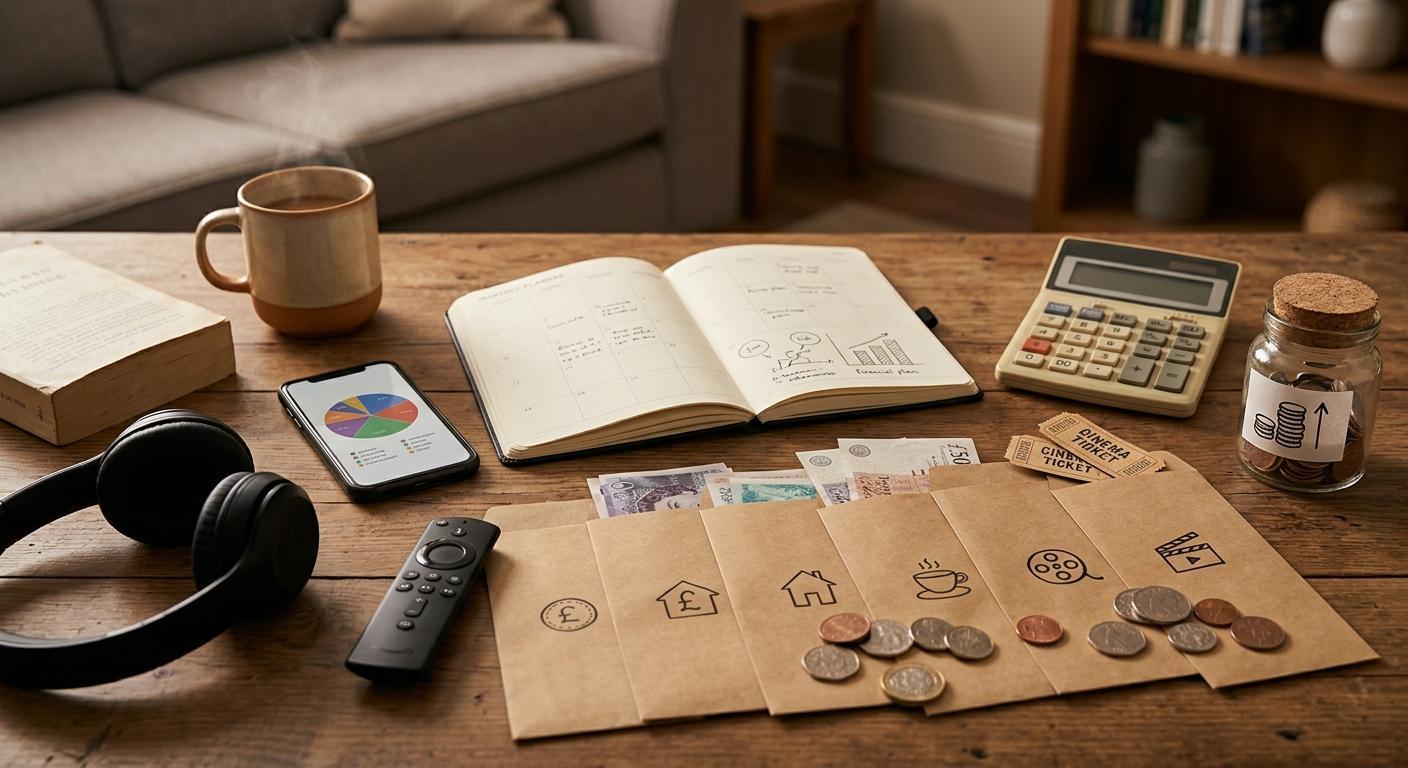
Entertainment matters. A quiet film night, a meal with friends, a subscription you genuinely use, or an hour spent on a favourite hobby can make a busy week feel much more manageable.
The difficulty is that leisure spending often slips through in tiny amounts. A few app purchases here, another subscription there, an unplanned evening out, and suddenly the money you meant to put towards savings has vanished. Time can disappear in much the same way.
An entertainment budget isn’t about removing all the enjoyable bits from life. It’s about deciding what deserves your money and attention before habit decides for you.
The real cost of unplanned leisure
Most people don’t make one dramatic decision that upsets their budget. It’s usually a run of small choices that barely register at the time.
Perhaps you rent a film because it’s easier than looking through what you already pay for. Perhaps a social plan runs longer and costs more than expected. Maybe a paid online activity starts as a quick look, then takes up an entire evening. None of these moments is automatically a problem. The issue is when they aren’t counted.
Unplanned leisure can affect more than your bank balance:
-
Savings goals get pushed back. Small recurring costs can reduce what reaches your emergency fund, holiday pot or long-term savings.
-
Other priorities become harder to cover. Household bills, transport and planned commitments still need to come first.
-
Your downtime may not feel restorative. If you finish a session feeling distracted, tired or annoyed that you spent more time than intended, it hasn’t done the job leisure is meant to do.
-
Your attention gets fragmented. Constant notifications and endless scrolling can make it harder to focus on work, sleep routines and conversations with people around you.
I find it useful to think of entertainment as having two prices: the money leaving your account and the time leaving your day. A £6 purchase that gives you a relaxed, enjoyable evening with friends may feel worthwhile. The same £6 spent repeatedly without much thought may not.
The aim isn’t to judge every cup of coffee, cinema ticket or subscription. It’s to notice patterns. A month of transactions tells a clearer story than one individual purchase ever could.
Build the financial foundation before setting the fun money
Entertainment belongs in a sensible budget, but it shouldn’t be the first category you decide. Start with the commitments that keep everyday life steady.
A straightforward order looks like this:
- List your reliable monthly income. Use your take-home figure, not a hopeful estimate.
- Cover essential costs. Include housing, council tax, utilities, food, travel, insurance, phone and necessary care costs.
- Make room for financial priorities. This may mean debt repayments above any required minimum, emergency savings, pension contributions or a specific near-term goal.
- Set aside irregular costs. Annual bills, repairs, gifts and seasonal expenses are less stressful when you’ve planned for them.
- Decide what is genuinely left for discretionary spending. Entertainment comes from this amount.
If you’re not sure where to begin, MoneyHelper’s budget planner is a useful UK starting point. It gives you a structured way to compare income with regular spending, without pretending that everyone’s finances look the same.
Pick a number that works in real life
A workable entertainment budget is not necessarily the smallest possible one. If you set it unrealistically low, you may ignore it by the second week of the month. Better to choose an amount you can follow consistently.
For example, you might have £240 a month for all discretionary spending. Rather than treating it as one vague pile of money, divide it with intention:
|
Category |
Monthly amount |
|
Meals, coffees and social plans |
£100 |
|
Subscriptions and digital entertainment |
£40 |
|
Hobbies, events and outings |
£70 |
|
Flexible leisure buffer |
£30 |
Your figures will be different, and that’s fine. What matters is that the total is money already available after essentials and priorities. It isn’t money borrowed from next month’s budget.
If your income varies, base your plan on a lower, dependable month. Any extra can be assigned later, once it has actually arrived.
Choose leisure on purpose, not just because it’s there
The best entertainment budget includes things you’ll look forward to. It shouldn’t be a list of restrictions with no room for enjoyment.
Before agreeing to a plan or paying for an activity, try four quick questions:
-
Will I genuinely enjoy this?
-
What will it cost in money?
-
What will it cost in time?
-
Will I feel more rested or more drained afterwards?
That last question is surprisingly helpful. Leisure that supports recovery might be a walk with a friend, a book, a live event you’ve planned for, cooking something nice, or a programme you actually want to watch. Avoidance tends to look different: opening an app automatically, spending simply because you’re bored, or staying online long after you meant to stop.
You don’t need to make every evening productive. Rest is valuable in its own right. Still, it’s worth choosing downtime that leaves you feeling like you had a break, rather than wondering where the evening went.
A simple monthly “wish list” can help. Write down three or four leisure activities you’d like to do, then give them a place in your calendar and budget. Once you’ve planned a museum visit, dinner, gig or weekend hobby session, random spending often becomes less tempting.
Guardrails that you’ll actually keep using
Good intentions are useful, but practical barriers do more of the heavy lifting. The trick is to make your preferred choice the easy one.
Keep entertainment money separate
Use a separate bank pot, prepaid card or savings space labelled “Leisure”. Move your chosen monthly amount into it on payday. When it’s empty, that category is finished until the next planned top-up.
This helps because you’re no longer trying to remember, mid-purchase, whether enough money remains. The answer is visible.
Set caps before you start
For activities that can expand in cost, decide your maximum beforehand. You might set:
-
a fixed amount for a night out;
-
a monthly limit for digital subscriptions;
-
a set amount for in-app or online purchases;
-
a spending ceiling for a particular event or hobby.
Make the cap specific. “I’ll be sensible” is difficult to measure. “I have £25 for this evening” is clear.
Put leisure in the diary
Time limits need just as much attention as spending limits. Add a start and finish time to your calendar, particularly for screen-based entertainment.
A 90-minute block can be plenty for a programme, social app, online community or paid digital activity. When the reminder appears, treat it as the end of the session, not a suggestion to negotiate with yourself.
Useful safeguards include:
-
phone focus modes or app timers;
-
a calendar alert 10 minutes before your planned finish;
-
turning off promotional notifications;
-
removing saved payment details where possible;
-
reviewing subscriptions on the same date each month.
Use a 24-hour pause
For anything beyond your usual planned spending, wait a day before buying or topping up. It sounds almost too simple, but a pause gives you time to check whether the purchase fits the budget and whether you still want it when the moment has passed.
The same rule works for subscriptions. Before adding another one, cancel or pause something you’re no longer using. You may be surprised how much entertainment is already available through services you pay for but rarely open.
Applying the plan to digital entertainment
Digital leisure is convenient, which is both its strength and its weak spot. Spending can be instant, and time can pass without obvious stopping points.
Take stock of all paid online entertainment, including streaming services, music platforms, games, social spending, digital rentals, memberships and app purchases. Look at the past three months, not just this month. Annual charges and free trials that roll into paid plans are easy to miss.
Then compare each item against four measures:
|
Question |
Why it matters |
|
How often do I use it? |
Regular use may justify the cost more than a forgotten subscription. |
|
Does it fit my monthly allowance? |
It should come from leisure money already allocated. |
|
How much time does it take? |
A worthwhile activity still needs a clear end point. |
|
Can I control spending easily? |
Account limits, notifications and payment settings offer helpful friction. |
For shared plans, agree the spending limit before you go online. For solo activities, set the limit before logging in. Don’t rely on a decision made halfway through a session.
When the money cap or time window ends, stop. There will always be another film, another post, another event or another offer. Your wider plans matter more than squeezing one more purchase into the month.
Choosing regulated adult-only services
Some adults choose paid online entertainment that is regulated in their location. If that includes gambling products, treat them as a defined leisure expense, never as part of a financial plan.
Before using any adult-only paid service, run through this checklist:
-
Check legality where you are. Rules differ by country and region. In Great Britain, the Gambling Commission provides information on regulated gambling.
-
Confirm you meet the legal age requirement. Use only services with proper age-verification processes.
-
Check for clear controls. Look for accessible deposit limits, time reminders, account history and options to pause access.
-
Use only money already allocated to leisure. Never move money from essentials, savings or repayments.
-
Set both a spending limit and a finish time before you begin. Stop when either limit is reached.
-
Read the terms and account controls. If limits or charges aren’t clear, don’t proceed.
-
Keep it informational and selective. For adults in locations where it is legal, a slots example can be reviewed at Monopoly Casino’s slots page.
The same principle applies to every kind of entertainment: if it doesn’t fit the money and time you chose in advance, it can wait.
A budget that leaves room for life
A strong entertainment budget doesn’t make life smaller. It makes your choices clearer.
Give yourself permission to enjoy the things that genuinely add something to your week, while protecting the goals that matter beyond this weekend. Track what you spend, notice how you feel afterwards, and adjust next month if the balance isn’t right.
You don’t need a flawless system. You need one you’ll use, even when life is busy.


Why Internal Linking Matters for Website SEO

Leading AI Video Generators for Creators in 2026

Optima Tax Relief Explains What an IRS Audit Lawyer Does and How They Protect You

The Physiology of Good Decisions: How Damian Creamer Manages Energy, Not Just Time

Easy Ways to Organize and Work With Digital Documents

Practical Ways to Turn Motivation into Consistent Habits

Why the Headline Price Rarely Tells You the True Cost of a Major Financial Decision

How Entrepreneurs Can Evaluate Online Business Advice

Where to Find Personal Finance Content on BetterThisWorld.com
