
How People Are Supporting Hormone Health as They Age, Without Chasing Youth

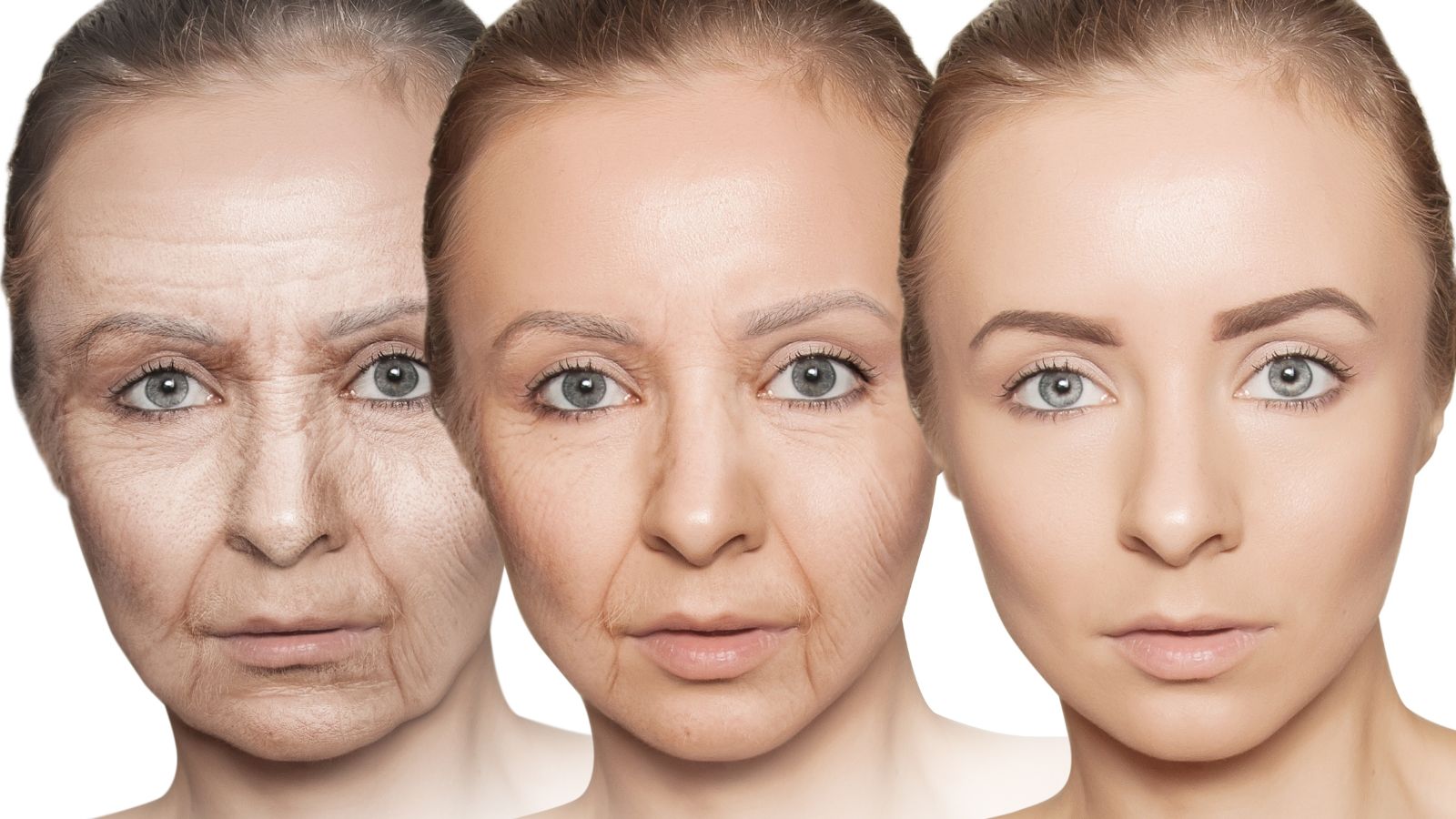
Aging changes the body in ways that are subtle at first and then increasingly noticeable. Energy levels shift. Sleep patterns change. Mood, metabolism, and mental clarity can feel less predictable than they once did. For many people, these changes trace back to hormones. Rather than trying to reverse aging, more adults are learning how to support hormone health in thoughtful, sustainable ways that work with the body instead of against it.
This shift has moved the conversation beyond quick fixes and into a more holistic understanding of how hormones respond to stress, nutrition, lifestyle, and targeted support. The goal is no longer perfection or eternal youth, but resilience, balance, and long-term well-being.
Supporting Natural Hormone Decline with Smarter Supplement Choices
One of the most common questions people ask as they age is whether declining hormone levels should be left alone or supported. Hormones naturally decrease over time, but that does not mean the body cannot benefit from additional support, especially when symptoms begin to interfere with daily life.
Many people are looking to options like a DHEA supplement, for example to support hormone health naturally. DHEA, or dehydroepiandrosterone, is a hormone produced by the adrenal glands that serves as a precursor to both estrogen and testosterone. Levels of DHEA tend to peak in early adulthood and gradually decline with age. For some people, lower levels are associated with reduced energy, mood changes, decreased bone density, and shifts in body composition.
Clinical-grade supplements focus on providing DHEA in carefully measured doses designed to support the body’s existing hormone pathways. Rather than overwhelming the system, micronized formulations aim to improve absorption while allowing clinicians to tailor dosing based on individual needs.
DHEA is not a one-size-fits-all solution, and responsible use typically involves lab testing and professional guidance. When used appropriately, however, it supports what the body already knows how to do, instead of forcing dramatic hormonal shifts.
Rethinking Fertility and Hormones After 40
Hormone health conversations often focus on symptoms like fatigue or weight gain, but fertility remains an important part of the discussion for many women as they age. What’s changing is the way fertility is understood beyond the traditional timelines.
Rather than viewing fertility after 40 as a closed door, more women are learning how hormone balance, inflammation, stress, and metabolic health all play roles in reproductive restoration and function. Fertility is not just about ovarian reserve or age alone. Hormones such as progesterone, estrogen, cortisol, and thyroid hormones all interact in complex ways. Supporting these systems through nutrition, sleep, stress management, and targeted therapies can influence cycle regularity and overall reproductive health.
Even for women who are not trying to conceive, this approach matters. Fertility health often reflects broader hormonal balance. When cycles become irregular or symptoms intensify, they can signal underlying issues that affect mood, bone health, and cardiovascular risk later in life. Addressing these patterns early can support healthier aging overall.
The Role of Stress Hormones in Midlife Health
One of the most overlooked contributors to hormone imbalance as people age is chronic stress. Cortisol, the body’s primary stress hormone, plays a crucial role in survival. However, long-term elevation can disrupt nearly every other hormone system.
As responsibilities increase with career demands, caregiving, parenting, or aging parents, many adults remain in a constant low-grade stress state. Improving hormone health often starts not with supplements or protocols, but with realistic stress reduction. This does not mean eliminating stress entirely, which is impossible, but learning how to signal safety to the nervous system through consistent sleep, movement, and boundaries. When cortisol levels stabilize, other hormones often follow.

Nutrition as Hormone Communication
Food is not just fuel. It is information. The body uses nutrients to build hormones, regulate blood sugar, and send signals about safety and abundance. As people age, nutrient needs shift, and deficiencies can become more impactful.
Protein intake, for example, becomes increasingly important for hormone production, muscle maintenance, and insulin sensitivity. Healthy fats play a role in hormone synthesis, while micronutrients like zinc, magnesium, and B vitamins support adrenal and thyroid function.
Rather than extreme diets, many people are moving toward steady, blood-sugar-supportive eating patterns. This includes balanced meals, adequate calories, and avoiding long periods of restriction that can signal scarcity to the body. Hormones respond best to consistency, not punishment.
Sleep and Circadian Rhythm Matter More Than Ever
Sleep quality often changes with age, but it also becomes more important. Hormones such as melatonin, growth hormone, cortisol, and insulin all rely on circadian rhythm cues.
Poor sleep can amplify hormonal symptoms, including hot flashes, irritability, brain fog, and cravings. Improving sleep hygiene by stabilizing bedtimes, reducing evening light exposure, and managing caffeine intake can have a measurable impact on hormone regulation.
For many people, addressing sleep issues leads to noticeable improvements in mood and energy even before other interventions are introduced. It is one of the most accessible yet underutilized tools in hormone health.


Bug Bounty Programs: Paying Hackers to Find Vulnerabilities

Tools That Make Independent Living More Realistic

Emotional Overload: When There Is Too Much Going on at Once

Why Used Cars Still Make Financial Sense for UK Drivers

The Weight of Being the Person in Charge

Why Faster Decisions Beat Perfect Decisions in Modern Business

Nuclear Medicine Breakthroughs: Understanding Lutetium-177 Therapy

The Psychology of Play: How Structured Play Enhances Well-Being and Mental Flexibility

The Psychology of Play: How Structured Play Enhances Well-Being and Mental Flexibility
