
How Fabric Buildings Are Reshaping Commercial Construction

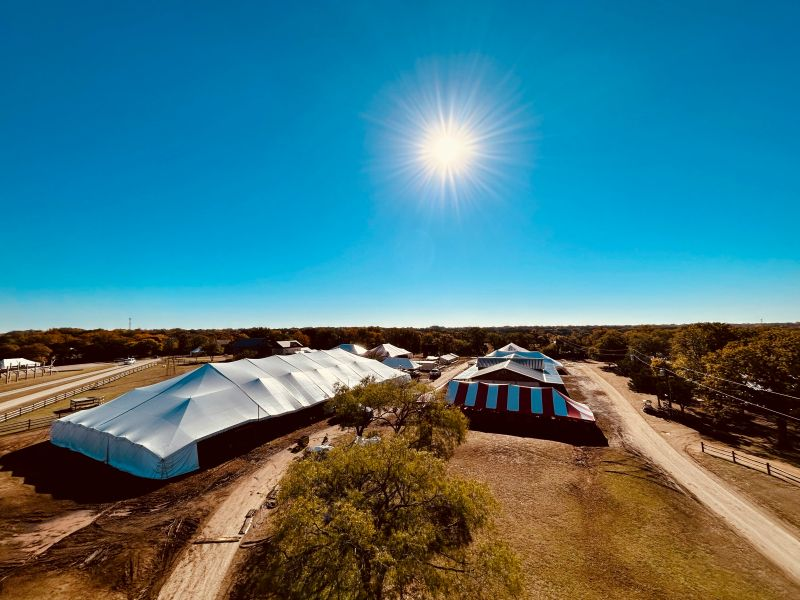
Commercial construction is evolving as businesses find ways to build smarter, faster, and with more flexibility. One approach gaining steady attention is the use of fabric buildings. These structures aren’t new, but their role in modern construction has grown.
Fabric buildings use a tensioned fabric stretched over a steel frame. They can serve as warehouses, storage facilities, agricultural shelters, and even industrial workspaces. For many industries, fabric structures are becoming a practical option worth exploring.
Here are a few ways fabric structures are reshaping commercial construction:
Faster Construction Without Cutting Corners
Speed is one of the reasons businesses turn to fabric buildings. Traditional construction can take months, sometimes longer, depending on size and complexity. With fabric structures, the process moves faster because many parts are prefabricated and assembled on site.
This approach helps reduce delays and keeps projects on track. Since many components arrive ready to install, there’s less time spent waiting on materials or coordinating multiple phases of work.
Even with faster timelines, quality is still crucial. Reputable commercial fabric building manufacturers design structures to meet strict building codes and safety standards. That helps ensure the fabric performs well once it’s in use, without taking shortcuts.
Flexibility That Adapts to Changing Needs
Business needs don’t stay the same forever. That’s where fabric buildings offer real value. They can be adapted, expanded, or even relocated more easily than many traditional buildings.
This flexibility is especially useful for companies that require extra space but don’t want a permanent commitment right away. Portable buildings made with fabric materials can often be moved or adjusted as operations change. That makes it easier to respond to growth or shifts in demand.
Some businesses also use these buildings to fit specific workflows. With fabric structures, it’s often easier to adjust layouts, add access points, or modify interior space without starting from scratch. That kind of flexibility helps businesses stay agile.
Cost Efficiency That Supports Growth
Budget plays a big role in any construction decision. Fabric buildings have lower upfront costs than traditional structures. This can make them appealing to companies looking to expand without overstretching their finances.
Lower costs can come from several areas. Construction projects are often quicker, which can reduce labor expenses. Materials are typically lighter, which can also help reduce transportation and installation costs. Over time, maintenance costs may also be manageable.
Strong Performance in Different Environments
Some people assume fabric buildings are limited in what they can handle, but that’s not the case. These structures are designed to stand up to a range of weather conditions when properly engineered and installed.
The frame provides structural strength, while the fabric is built to handle wind, rain, and even snow loads in many cases. This combination allows the building to perform well across different climates. Proper planning is vital, especially when it comes to meeting local building codes and environmental demands.
Another benefit is ventilation. Many fabric structures are designed to allow airflow, which helps regulate interior temperatures. This can be useful for storage, equipment, or any setting where air movement matters.
Use for a Wide Range of Industries
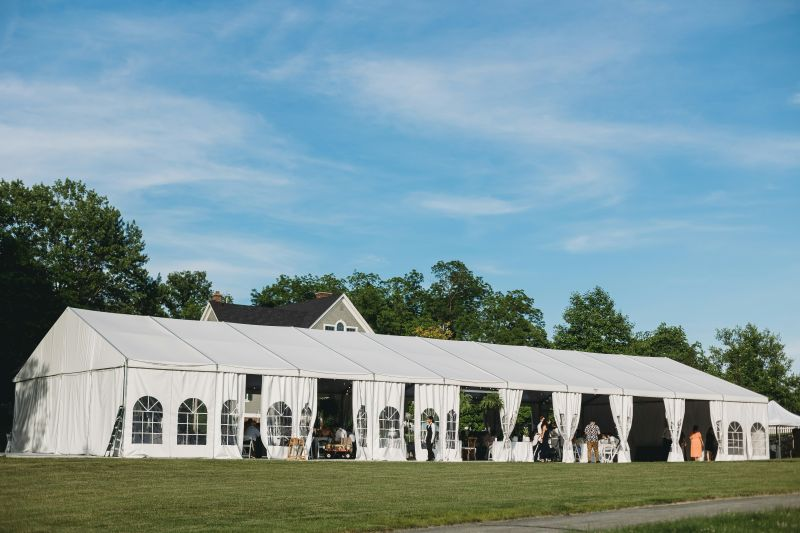
Fabric buildings aren’t limited to one type of business. They’re used across many industries because they can be shaped to fit different needs.
In warehousing and logistics, they offer large open spaces that are easy to organize. In agriculture, they can serve as shelters for equipment or livestock. In the events and hospitality sector, they provide high-quality, weather-resistant venues for trade shows, exhibitions, and large-scale gatherings.
Because fabric structures can be customized, they’re a great choice for specific tasks. You can adjust features like doors, windows, and interior layouts to suit the operation. This helps businesses create a space that matches how they work, instead of forcing their work to fit the space.
Easier Expansion and Future Planning
Growth is something most businesses plan for, even if it happens at different speeds. Fabric buildings can make that process easier by offering more flexible expansion options.
Instead of building an entirely new structure, it’s often possible to expand an existing one or add a new section. This can help businesses grow without disrupting daily operations too much.
Portable buildings can also play a role in future planning. If needs change, these structures can sometimes be relocated or adjusted. That kind of adaptability can help businesses stay prepared for what comes next.
Sustainability and Resource Efficiency
Sustainability is becoming more important in commercial construction. Fabric buildings can support this goal in several ways.
The materials used are often lighter than those in traditional buildings, which can reduce the environmental impact of transportation. The shorter build time can also result in less energy use during construction.
Many fabric structures are designed to allow natural lighting, which helps reduce the need for artificial lighting during the day. This can support better energy efficiency and lower electricity use over time. In some cases, this can make the building more efficient to operate.
While they’re not the only sustainable option, fabric buildings offer a practical way to build with resource use in mind. For businesses looking to balance performance and environmental impact, they can be part of the solution.
Conclusion
Fabric buildings are reshaping commercial construction by offering a mix of speed, flexibility, and practical design. They don’t replace traditional buildings, but they do provide a strong alternative for businesses that need adaptable space.
With many options available, there’s room to match different needs and industries. As businesses continue to find smarter ways to build, these solutions will likely stay part of the conversation.


Travel Insurance Guide for Senior Travellers Planning Independent Trips

Managing Indian Income Streams While Living Abroad

15 Smart Last-Mile Delivery Strategies for Growing Ecommerce Businesses

How Businesses Can Choose The Right Cloud Storage Solution

5 Reasons to Choose Lost Mary MO20000 Pro for Long-Lasting Vaping

ACR Poker and Bitcoin: The Transformation of Online Poker Payments through Crypto Poker

Step By Step Guide To Open A Bank Account Online In India

5 Reasons Branding Makes Your Business Stand Out

Why Anxiety Changes Daily Life and What Relief May Bring
