
Highways and Hydroplaning: Why Multi-Lane Roads Are Risky During Sudden Downpours

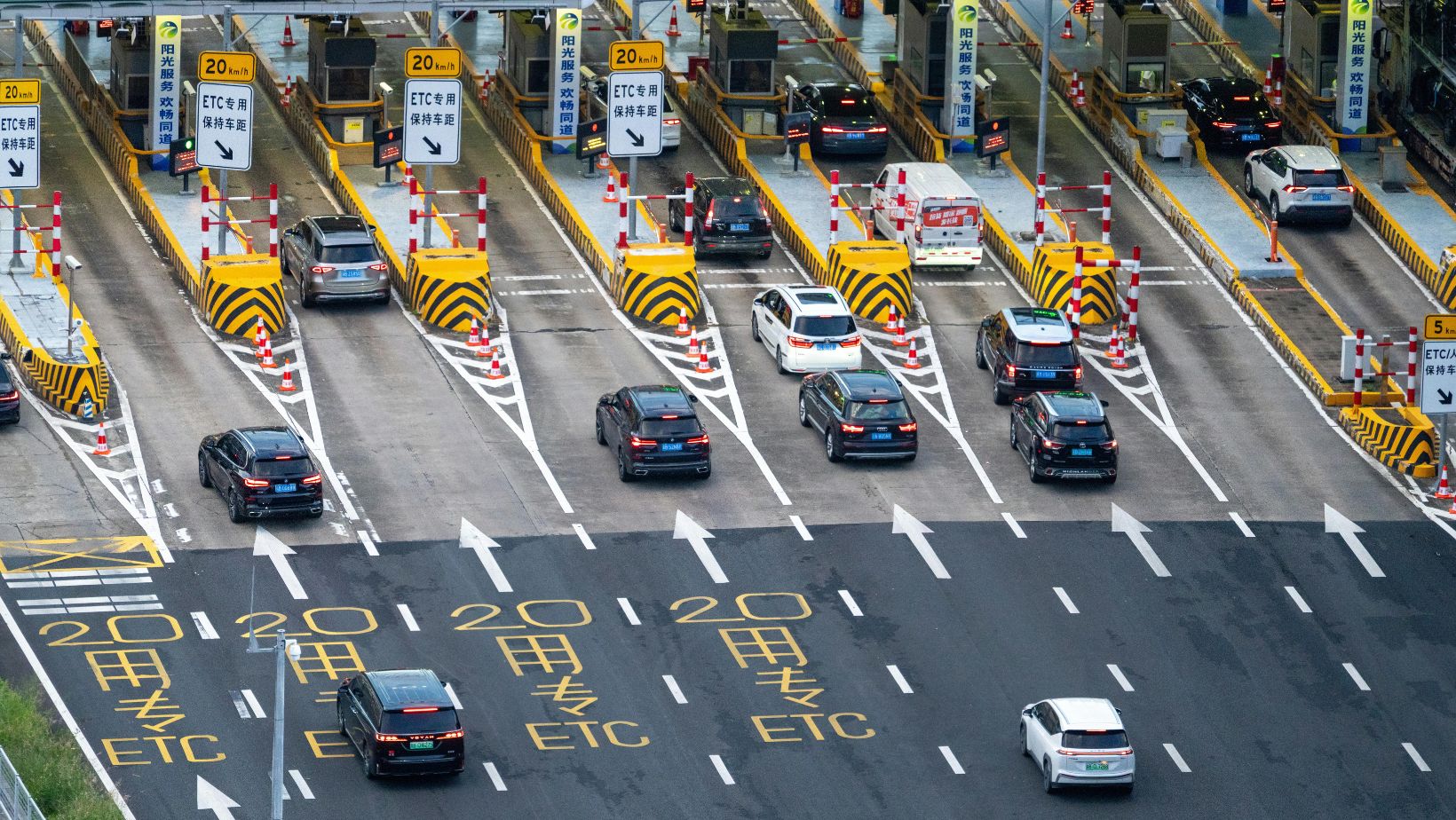
Driving on a wide, open highway usually feels like the safest way to travel, but everything changes the moment the clouds burst. When a sudden downpour hits, those expansive stretches of asphalt can turn into literal death traps due to a phenomenon called hydroplaning. If you find yourself in a wreck because of these slick conditions, reaching out to Parnall Laws attorneys can help you navigate the legal aftermath and ensure you are treated fairly by insurance companies. Understanding why multi-lane roads are uniquely dangerous in wet weather is the first step toward staying safe when the sky turns gray.
The Physics of the Floating Tire
Hydroplaning occurs when water builds up in front of your tires faster than your car’s weight can push it out of the way. This creates a thin layer of liquid between the rubber and the road. In an instant, your vehicle is no longer driving on pavement; it is essentially sailing on a lake.
On a multi-lane highway, this risk is magnified. Because these roads are so wide, the water has farther to travel before it can drain off into the shoulder. This leads to deep pooling, especially in the middle lanes. When you hit one of these “mini-lakes” at 65 miles per hour, your steering wheel might go limp in your hands, leaving you with zero control over where the car is headed.
The Drainage Dilemma of Wide Roads
Most people assume that highways are perfectly flat, but they are actually designed with a slight “crown” or slope to help water run off. However, on a massive four or six-lane interstate, that design can backfire during a heavy storm.
Water from the innermost lanes has to flow across all the outer lanes to reach the drainage ditches. This means the right-hand lanes often collect the runoff from the left-hand lanes, creating a much thicker sheet of water than you would find on a simple two-lane backroad. If you are cruising in the slow lane, you might be driving through the collective rainfall of the entire highway width, significantly increasing your chances of losing traction.
High Speeds and Shared Spray
The speed limit is the biggest enemy during a sudden downpour. Most tires are rated to maintain grip up to about 35 miles per hour in wet conditions. On a highway, almost everyone is going twice that speed.
Furthermore, multi-lane roads mean more traffic. Large semi-trucks and SUVs kick up a massive “rooster tail” of mist and spray. This creates a double whammy: not only is the road slick, but your visibility is cut to near zero. When you combine high speeds, standing water, and the blinding spray from a neighboring lane, the margin for error disappears completely. A simple lane change that would be routine in the sun becomes a high-stakes gamble in the rain.
How to Regain Control
If you feel your car start to fishtail or “float,” the worst thing you can do is slam on the brakes. This locks the tires and guarantees a skid. Instead, you should:
- Ease off the gas: Let the car slow down naturally until the tires find the pavement again.
- Keep the wheel straight: Do not jerk the steering wheel to compensate.
- Wait for the grip: You will feel a distinct “thud” or a sudden increase in steering tension once the rubber clears the water.

Final Thoughts
Staying safe on the highway during a storm requires a mix of patience and technical knowledge. By slowing down and staying out of the outer lanes where runoff collects, you can significantly reduce your risk of hydroplaning. If the worst happens and you are involved in a collision, talking to Parnall Laws attorneys is a smart way to protect your rights while you focus on recovery. Respect the rain, give other drivers plenty of space, and remember that getting to your destination a few minutes late is always better than not getting there at all.


Responsible Gambling and Online Slots: Staying Safe While Enjoying the Game

IMTL Stock Analysis: Should You Invest in Stocks or Dogecoin?

Tiger Woods: the greatest comeback in sports history

Highways and Hydroplaning: Why Multi-Lane Roads Are Risky During Sudden Downpours
10 Natural Products Perfect for Christmas Gifts 2025

What to Consider Before Applying for Personal Loans Online in the United States

Optima Tax Relief Outlines What IRS Penalty Abatement Is and How to Qualify

The Silent Mother of Gezi: Turkey’s 1976 Statue of Peace and its Italian Echoes

Why Holistic Cancer Treatment in Mexico is Getting so Much Attention Right Now
