
Coastal vs. Inland: Where to Place Your Tiny Home in Florida for the Lifestyle

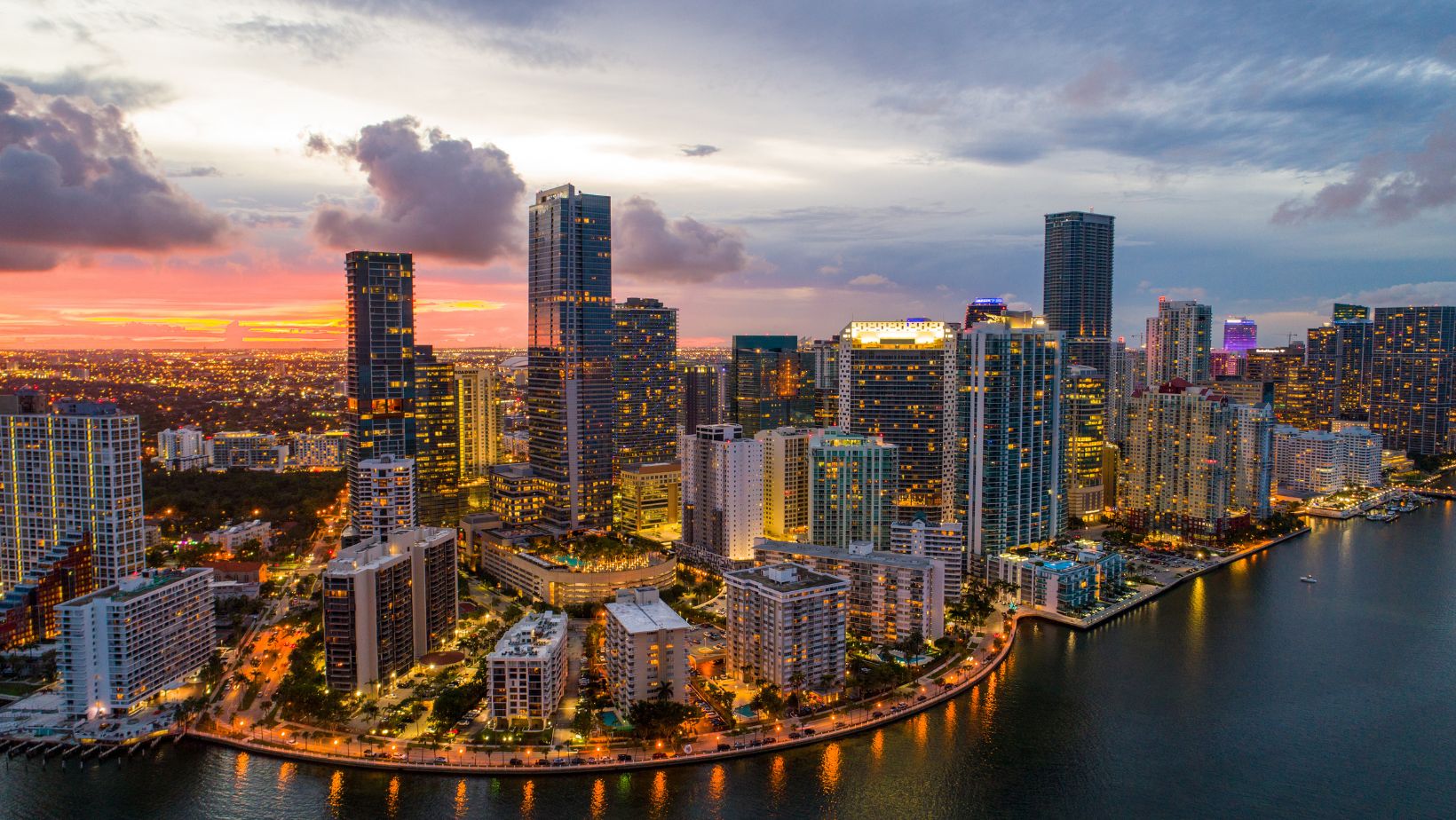
Placing a tiny home in Florida involves more than choosing a spot on the map. The location determines monthly costs, insurance rates, and daily lifestyle. Florida’s coastline offers beach access and ocean breezes, while inland areas provide lower expenses and safer hurricane zones. Each option comes with distinct advantages and challenges.
Florida’s tiny house movement has grown considerably in recent years. More counties now recognize alternative housing, though regulations vary dramatically from one jurisdiction to another. Understanding these differences helps future homeowners make informed decisions about where to settle.
Life by the Beach: Coastal Tiny Home Living
Salt air, ocean views, and beach access define coastal living. Towns like St. Petersburg and Fort Myers attract people seeking the classic Florida waterfront experience. However, hurricane season brings real concerns about storm surge and wind damage.
Insurance costs in coastal zones run significantly higher than in inland areas. Homeowners near the beach often pay $1,200 to $2,500 annually for wind and flood coverage. Building codes also require elevated foundations, impact-resistant windows, and reinforced roofing materials.
What Coastal Living Offers
Many tiny homes in Florida’s coastal regions sit in RV parks or designated communities. These locations typically include amenities like pools, beach access, and social events. Monthly lot rent ranges from $600 to $900, depending on location and utilities.
Benefits of coastal placement:
- Direct beach access for swimming and water sports
- Constant ocean breezes that cool the summer heat
- Active social scenes in beach towns
- Stunning sunrise or sunset views, depending on the coast
Drawbacks to consider:
- Higher insurance premiums for hurricane coverage
- Salt air damages metal fixtures and exterior materials faster
- Tourist crowds during peak seasons
- Elevated construction costs due to strict building codes
Inland Florida: Affordable and Peaceful
Moving 30 to 40 miles inland changes the entire landscape. Rolling hills, freshwater springs, and dense forests replace beachfront views. Counties like Lake, Polk, and Suwannee offer cheaper land and more relaxed zoning for tiny homes in Florida.
Land prices tell the story clearly. An acre in Live Oak might cost $15,000 while comparable coastal property demands six figures. This price difference allows tiny homeowners to invest in solar panels, larger plots, or emergency savings.
Why People Choose Inland Locations
Central and North Florida have more than 700 freshwater springs with crystal-clear water staying 72 degrees year-round. Places like Weeki Wachee and Ichetucknee provide natural recreation that rivals any beach. The Ocala National Forest offers 600 square miles of hiking and camping opportunities.
Small towns inland maintain a slower pace. Weekly farmers markets, local diners, and tight-knit communities create a different kind of Florida experience. Property taxes stay lower, and hurricane risk decreases significantly away from storm surge zones.
Top inland advantages:
- Land costs $10,000 to $40,000 per acre versus $60,000+ coastal
- Monthly lot rent averages $400 to $600 instead of $700+
- Annual property taxes run $300 to $800 in rural counties
- Off-grid living becomes practical with solar and well water
Florida Tiny Home Laws: What You Need to Know
Are tiny homes legal in Florida? The answer depends on the county. State law doesn’t specifically address tiny houses, so each jurisdiction creates its own rules. What works in Orange County might be prohibited in Sarasota.

Most areas classify tiny houses on wheels (THOWs) as recreational vehicles. This means they need RVIA or ANSI certification and can only park in designated RV zones. Foundation-built tiny homes must meet Florida Building Code standards, usually requiring 400 to 600 square feet minimum.
Three Main Tiny Home Categories
| Home Type | Classification | Key Requirements |
| Tiny House on Wheels (THOW) | Recreational Vehicle | RVIA/ANSI certification, RV park placement |
| Foundation-Built Tiny Home | Permanent Dwelling | Florida Building Code compliance, 400-600 sq ft minimum |
| Accessory Dwelling Unit (ADU) | Secondary Structure | Must be on residential lot, meet local codes |
Steps for Legal Placement
Check county zoning maps before purchasing land. Permit offices maintain lists of approved tiny house communities and RV parks accepting permanent residents. Working with certified builders familiar with local codes prevents expensive mistakes.
Registration requirements vary by home type. THOWs register as travel trailers with the Florida DMV and need annual tags. Foundation homes go through standard property title processes. Understanding these differences matters for insurance and taxation.
Comparing Costs: Coastal vs. Inland
Numbers matter when choosing between locations. Monthly expenses add up quickly, and the differences between coastal and inland living become clear over time.
Monthly cost breakdown:
- Coastal lot rent: $600-$900
- Inland lot rent: $400-$600
- Coastal insurance: $100-$210 monthly
- Inland insurance: $35-$50 monthly
- Utilities (both): $50-$150
Construction costs also vary. Coastal homes need hurricane-resistant materials, proper anchoring systems, and elevated foundations. These requirements increase building expenses by 20-30% compared to inland construction.
Weather Patterns and Hurricane Risk
Coastal areas enjoy constant breezes that moderate summer heat. Inland regions can feel 5 to 10 degrees warmer on still afternoons. However, inland locations experience cooler winter mornings, sometimes dipping into the 30s in North Florida.
Hurricane preparedness differs dramatically by location. Coastal zones face both wind and storm surge, while inland areas deal primarily with wind and rain. Central Florida cities like Lakeland and Ocala see reduced hurricane impacts—mostly fallen trees and temporary power outages rather than structural devastation.
Regional Storm Patterns
Northern Florida catches fewer direct hurricane hits due to geography. Areas around Gainesville and Tallahassee often experience downgraded systems bringing heavy rain rather than catastrophic wind. This pattern holds consistently across decades of weather data.
Best Regions for Tiny Homes in Florida
Central Florida balances affordability with accessibility. Lake County has multiple tiny house communities and progressive zoning. Polk County, around Lakeland, offers similar benefits with slightly lower costs and easy access to both coasts.
North Florida provides the best land prices. Suwannee, Columbia, and Madison counties have minimal zoning enforcement and spacious plots. Gainesville stands out as the region’s most progressive city for alternative housing, attracting younger residents interested in sustainable living.
Popular tiny-friendly areas:
- Orlando area: Established communities, progressive laws
- Leesburg: Scenic lakes, relaxed zoning
- Live Oak: Ultra-affordable land, rural setting
- Lakeland: Central location, reasonable prices
Making Your Location Choice
The decision between coastal and inland depends on priorities. Beach access comes with higher costs and hurricane concerns. Inland living offers financial savings and reduced storm risk but requires driving to the ocean.
Budget often determines the choice. Coastal living stretches finances with higher insurance, lot rent, and construction costs. Inland placement reduces stress while still providing quality Florida experiences through springs, forests, and lakes.
Climate matters too. Coastal breezes keep temperatures moderate year-round. Inland areas get hotter in summer but offer cooler winters. Both locations require proper ventilation—ceiling fans, cross-breezes, and strategic window placement make small spaces comfortable.
Wrapping Up
Florida offers excellent options for tiny home living in both coastal and inland settings. Coastal areas provide beach access and classic waterfront experiences, but come with higher expenses and hurricane risk. Inland regions deliver affordability, reduced storm danger, and access to springs and forests.
Tiny homes in Florida work best when the location matches lifestyle and budget. Research county zoning laws, visit potential communities, and check actual insurance quotes before deciding. Whether choosing ocean breezes or inland springs, Florida has room for both paths. The key is matching the location to realistic needs rather than idealized dreams.


The Global Success of Impractical Jokers: Production, Format Licensing, and International Expansion

8 Essential Canadian Employment Law Tips to Protect Your Business

8 Essential Canadian Employment Law Tips to Protect Your Business

8 Custom Software Development Companies for Building Scalable Enterprise Software

Why You Should Align Client Care With Your Career Goals

Unlocking the Abcbetting.ag Login Page: Your Ultimate Guide

Dating in the Fast Lane of Entrepreneurship

Betproexch Com Login: Unlocking Your Betting Success

Betproexch Login: A Complete Guide
