
25 Surprising Animal Facts That Will Change How You See Wildlife In 2026

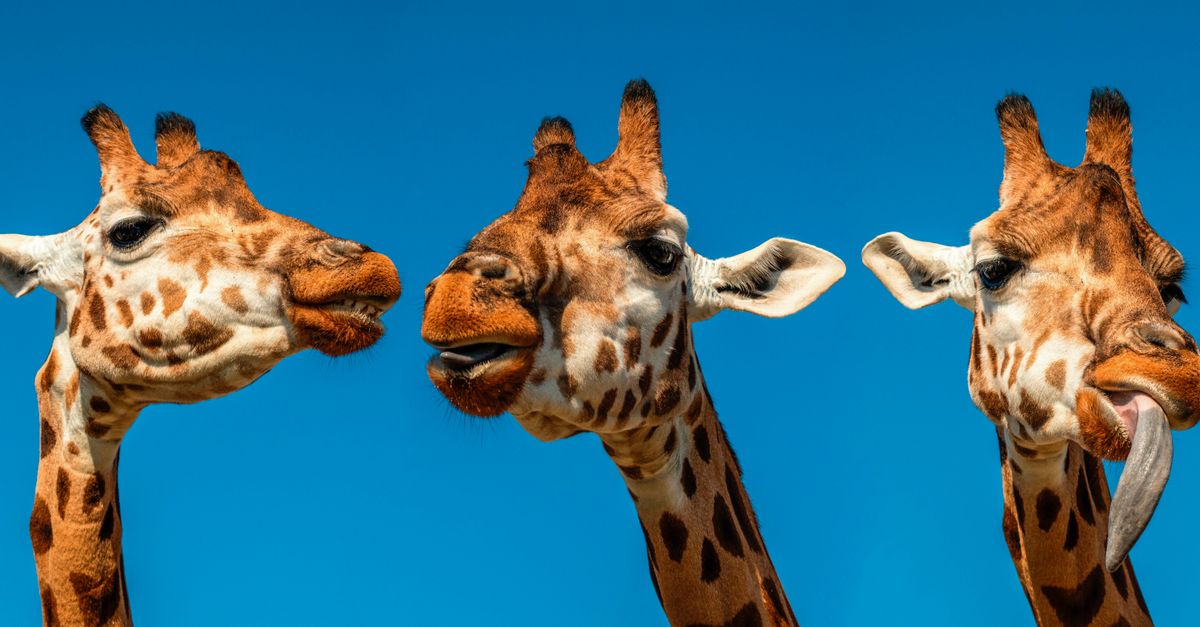
Animal facts are more than party trivia, they reshape how we understand behavior, conservation priorities, and our everyday choices. In 2026, fresh studies and citizen observations continue to upend old assumptions: some species are smarter than we thought, others play unexpected roles in ecosystems, and a few have adaptations straight out of science fiction. This article collects 25 verified, surprising animal facts organized by type, explains why they matter, and shows how you can observe and share them responsibly. Read on and you’ll never look at a pigeon, or a coral reef, the same way again.
Why Animal Facts Matter: Science, Conservation, And Everyday Curiosity
Animal facts do three important things at once: they advance science, guide conservation, and feed curiosity that motivates action. When researchers publish a single surprising observation, say, octopuses using coconut shells as shelter, it can trigger new studies about cognition, alter habitat management plans, and inspire public interest that supports funding. On a practical level, accurate animal facts inform human decisions: knowing migratory times helps farmers schedule planting: understanding predator behavior reduces conflict for communities living near wildlands.
Facts also act as connectors. A striking statistic or anecdote can turn a casual reader into a volunteer, donor, or citizen scientist. That’s one reason outlets like BetterThisWorld aim to mix fascinating tidbits with responsible context: entertaining facts without conservation framing can amuse for a minute, but facts tied to real-world impacts stick. If you’re building lessons or conversation-starters for family or classroom use, pick facts that include a short implication, what changed because of this fact, and what someone reading can do.
Finally, reliable animal facts combat misinformation. Social posts often repeat myths (for instance, that bats are blind or that touching a baby bird will make the mother abandon it). Science-backed facts correct those myths and reduce harmful behavior. If you want a steady source of engaging, verified bits to share, consider the regular features at BetterThisWorld facts hub, which package verified curiosities alongside suggestions for meaningful conversations and classroom activities.
25 Surprising Animal Facts — Quick, Verified, And Organized By Type
Below are 25 concise, checked facts grouped so you can scan by interest. Each line includes a short note on why it matters.
Mammals
- Elephants can distinguish human languages and emotional tones, reacting more cautiously to voices associated with danger. (Conservation: helps tailor anti-poaching outreach.)
- Some bats navigate using vision as well as echolocation in well-lit conditions, showing multimodal sensing. (Implication: habitat light pollution affects more than echolocation.)
Birds
- Pigeons can remember hundreds of images and outperform humans in some visual-memory tests. (Education: use them to teach cognition diversity.)
- Albatrosses can sleep while flying, taking micro-naps that allow multi-day glides. (Conservation: long-range pollutants impact them across oceans.)
Reptiles & Amphibians
- Certain frogs can change sex in response to population imbalance, an effective short-term demographic fix. (Ecology: shows resilience mechanisms.)
- Some turtles use Earth’s magnetic field to navigate long distances during migrations. (Implication: magnetic interference could disrupt routes.)
Fish & Marine Life
- Coral micro-communities can shift their “dominant” bacterial species within weeks when water chemistry changes. (Conservation: rapid indicators of reef stress.)
- Octopuses have been observed collecting and arranging shells, hinting at foresight and tool use. (Cognition: expands our definition of intelligence.)
Invertebrates
- Certain bees can learn to pull strings for sugary rewards, a simple form of problem-solving and social learning. (Education: great classroom demonstrator.)
- Ant colonies use collective decision-making that approximates optimization algorithms used in computing. (Cross-discipline: bio-inspired design.)
Extreme Adaptations
- Greenland sharks can live for over 300 years, reaching sexual maturity around age 150. (Conservation: slow life histories mean vulnerability to overfishing.)
- Tardigrades survive vacuum, extreme radiation, and deep-freeze by entering cryptobiosis. (Science: models for extreme-environment biology.)
Behavioral Surprises
- Urban raccoons remember human problem-solving tasks for months and can transfer knowledge socially. (Human-wildlife conflict: smarter urban animals require smarter deterrents.)
- Male seahorses carry pregnancies, a rare role reversal that reshapes parental investment models. (Teaching: challenges gendered assumptions.)
Ecosystem Roles
- Beaver dams increase biodiversity upstream by creating pond habitats that boost species counts. (Conservation: reintroducing beavers often restores ecosystem function.)
- Large fish like groupers maintain reef health by controlling algae-eating species imbalance. (Management: protecting predators helps reefs.)
Human-Adjacent Facts
- Many companion animal health outcomes improve when owners regularly budget for preventive care: financial tools can make that easier. Consult consumer resources such as financial well-being tools for planning that includes pet needs. (Practical: links animal welfare to household finance.)
- Pet insurance models vary widely: learning how policies work helps you choose coverage that prevents care debt, basics are summarized in primer guides on pet insurance. (Personal finance: prevents unexpected costs.)
Quick curiosities
- A group of flamingos is called a “flamboyance.”
- Some sharks glow under UV light, a feature only recently documented.
If you want more themed lists and the odd oddball, the site’s weird facts collection and useless facts page are fun companions that keep the tone light while remaining factual.
How To Observe, Verify, And Share Animal Facts Safely And Responsibly
Observing animal facts yourself is rewarding, but it requires care. Start with ethics: maintain distance, avoid feeding wild animals, and never disturb nests or dens. Use good tools, binoculars, a camera with a zoom lens, and a notebook or app for timestamps and location. When you think you’ve spotted something notable, verify it before sharing.
Verification steps: take multiple photos or a short video, note the habitat and behavior, and consult species guides or local experts. Citizen science platforms and local naturalist groups can confirm IDs: submitting observations to established databases improves the data pool for researchers. When you post, include context: where, when, and how the observation was made. That transparency helps scientists evaluate reliability.
Responsible sharing matters because sensational but inaccurate claims spread quickly. If you’re sharing on social media or in a classroom, cite a source when possible. For general public-facing posts that touch on human costs or policy (for example, claims about animal risks to people or economic impacts), tie your claim to reputable information. Financial planning around pet ownership is one example where a factual animal claim should connect to practical resources like Bankrate’s consumer guides for budgeting advice, so readers can act on the fact without guessing the cost.
Finally, consider audience and tone: aim to spark curiosity, not fear. Frame facts with a short takeaway: what this animal fact implies for conservation or daily life. That keeps interest high and encourages stewardship rather than sensationalism.
How Animal Facts Help Parents, Educators, And Curious Readers Learn Better
Animal facts are pedagogical gold because they attach new information to vivid images and narratives, improving memory and motivation. For parents, a single surprising fact about a local species can become a week-long learning thread, observing the animal, drawing it, and researching its role in the ecosystem. Educators use facts as entry points for cross-curricular lessons: math (population graphs), language arts (writing animal biographies), and social studies (human-wildlife coexistence).
Practical classroom tips: use short, verifiable facts as journal prompts: ask students to source one reference for each fact they present. That practice builds critical thinking and research skills. For younger kids, combine a fact with an activity, measuring bird beak sizes with common objects demonstrates adaptation in a tactile way.
For adults and lifelong learners, animal facts can anchor community projects: backyard biodiversity counts, neighborhood cleanup campaigns, or fundraising for local wildlife rehab centers. If cost planning is part of your family’s learning goals (for instance, preparing to adopt a pet), consumer resources like MarketWatch’s banking guides help put pet-related expenses into your household budget. Pairing an animal fact with a practical next step increases retention and real-world impact.
Finally, sharing facts responsibly models scientific literacy. Show learners how to trace a fact back to primary research or authoritative sources, and encourage skepticism of clickbait claims. Over time, that builds a community of readers who care about evidence and practical solutions.
Conclusion
Animal facts do more than entertain, they change how we think, act, and teach. The 25 surprises above are entry points: use them to spark curiosity, guide responsible observation, and inform practical choices from budgeting for a pet to supporting conservation. Start small: share one verified fact at dinner, link it to a local action, and watch how curiosity grows into stewardship.
Frequently Asked Questions about Animal Facts
Why are animal facts important for conservation efforts?
Animal facts reveal behaviors and adaptations that inform habitat management and anti-poaching strategies, helping tailor conservation to species’ needs and boosting ecosystem health.
How do animal facts influence human daily decisions?
Understanding animal migration or predator behavior guides farming schedules and community safety measures, reducing conflicts and supporting coexistence.
What surprising cognitive abilities do some animals have?
Research shows octopuses use tools like coconut shells, pigeons have excellent visual memory surpassing humans, and bees solve problems—expanding our view of animal intelligence.
How can I safely observe and share animal facts?
Maintain distance, avoid feeding or disturbing animals, use binoculars, verify observations with photos or experts, and responsibly share with context to support scientific accuracy and conservation.
What should pet owners know about financial planning based on animal facts?
Preventive pet care improves health outcomes; budgeting and understanding pet insurance policies, with resources like financial well-being tools and banking guides, helps avoid unexpected expenses.
Where can I find engaging and verified animal facts for meaningful conversations?
Reliable facts paired with conservation insights are featured in collections such as the engaging betterthisfacts from betterthisworld unlock engaging knowledge for meaningful conversations resource.


The 4 Casinos Leading the Way in Making High RTP Part of the Appeal

How to Build a More Social, Joyful Weekly Routine

How to Plan Leisure Spending with Clear Limits

Reading Slot Payouts Before You Press Spin

How Adult Website Owners Can Build Sustainable Revenue in a Competitive Market

I Turned One Boring Product Video Into Five Different Styles Without Reshooting Anything

Optima Tax Relief Explains How Bonus Depreciation Works for Real Estate

Standard Chartered predicts Bitcoin will reach $100,000: A guide to cryptocurrency mining that can earn $40,000

Why Skill-Based Prize Competitions Are Becoming a Popular Weekend Hobby
