
Pancreatitis in Dogs: Five Everyday Habits That Help Keep Your Best Friend Healthier

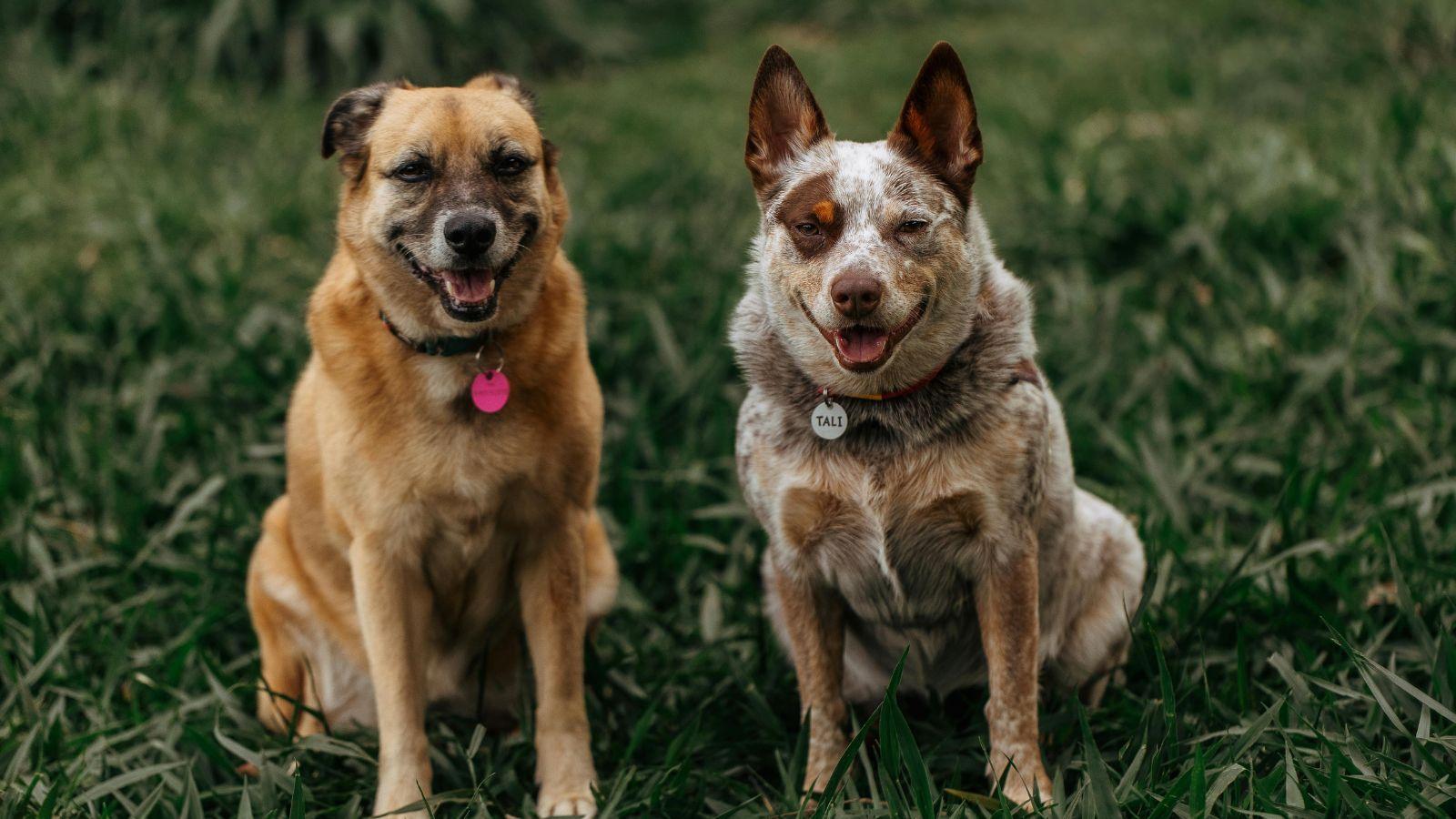
Caring for a dog goes far beyond annual vet visits and daily walks. Many health conditions develop over time, influenced by diet, weight, activity, and even the treats that seem harmless. Pancreatitis is one condition that can range from mild to life threatening, yet many owners are surprised by how much their daily choices can affect risk. While no routine can prevent every illness, building healthy habits into a dog’s life gives them a stronger foundation for long term wellness and can make recovery easier if health problems ever arise.
Watch Weight Before It Becomes a Problem
A healthy body weight supports nearly every aspect of a dog’s well being. Carrying extra pounds places additional stress on joints, the heart, and internal organs, including the pancreas. Dogs that regularly receive table scraps, fatty leftovers, or excessive treats may gradually gain weight without owners realizing how much their calorie intake has increased.
Exercise remains one of the simplest ways to support overall health. Daily walks, games of fetch, scent work, or interactive toys provide physical activity while keeping dogs mentally engaged. Pairing regular exercise with portion control creates a routine that benefits dogs throughout every stage of life.
Owners should also resist the temptation to reward every good behavior with food. Praise, affection, or a favorite toy often work just as well. When treats are offered, choosing options that fit into a balanced diet helps prevent unnecessary calorie overload while supporting better digestive health.
Feed With Consistency and Smart Nutrition
For dogs that have experienced pancreatic inflammation, nutrition often becomes one of the biggest parts of long term management. Veterinarians frequently recommend low fat dog food for pancreatitis because reducing dietary fat may decrease the workload placed on the pancreas. Any dietary changes should be made under veterinary guidance since every dog’s medical needs differ.
Consistency matters almost as much as the food itself. Frequent diet changes, holiday leftovers, rich meats, and greasy snacks can upset sensitive digestive systems. Feeding measured meals on a regular schedule allows the digestive tract to function more predictably and reduces the temptation to overfeed.
Reading ingredient labels can also be worthwhile. Foods formulated for digestive support typically provide balanced nutrition without excessive fat levels. Fresh water should remain available throughout the day, since hydration supports normal digestion and overall health. Small daily decisions often have a greater impact than occasional major changes.
Build a Lifestyle That Supports Better Health
Protecting dogs extends beyond food and exercise. Responsible ownership includes regular preventive care, routine veterinary examinations, vaccinations when appropriate, parasite prevention, and attention to behavioral changes that may signal illness before symptoms become severe. These habits reflect a broader commitment to animal welfare because they focus on giving pets the healthiest lives possible instead of reacting only after problems develop.
Owners know their dogs better than anyone else. A reduced appetite, vomiting, unusual tiredness, abdominal discomfort, or reluctance to play can all deserve prompt attention, especially if several symptoms appear together. Early veterinary evaluation may lead to faster treatment and fewer complications.
Mental stimulation also deserves a place in every dog’s routine. Puzzle feeders, training sessions, sniffing games, and new walking routes reduce boredom while encouraging healthy activity. Emotional well being and physical health often support one another in meaningful ways.
Know the Risk Factors Without Living in Fear
Pancreatitis can affect dogs of many ages and breeds, although certain dogs may have higher risk because of genetics, obesity, existing medical conditions, or previous episodes. Understanding those possibilities helps owners make informed decisions without becoming overly worried about every minor change.
One common trigger involves sudden access to rich, fatty foods. Holiday gatherings, backyard cookouts, and family celebrations often leave tempting leftovers within reach. Even a single large serving of greasy food can create digestive problems for some dogs. Keeping trash secure and reminding guests not to feed pets from the table reduces unnecessary risk.
Medications and underlying health conditions may also influence pancreatic health. That is another reason regular veterinary visits remain valuable, especially as dogs grow older. Routine blood work and physical examinations may identify concerns before they become emergencies, allowing treatment plans to begin sooner.
Healthy Routines Add Up Over Time
There is no perfect formula that guarantees a dog will never develop pancreatitis. Still, consistent habits create meaningful advantages over the years. Balanced nutrition, regular exercise, appropriate weight management, preventive veterinary care, and close observation all contribute to a healthier life.
Rather than focusing on dramatic changes, think about the routines repeated every day. Measuring meals, choosing healthier treats, encouraging movement, and paying attention when a dog’s behavior changes can collectively make a real difference. Those small choices build a lifestyle that supports better health from puppyhood through the senior years.
Preventing illness is never about perfection. It is about making thoughtful decisions consistently, giving dogs every opportunity to stay active, comfortable, and by your side for as many happy years as possible.


Why Internal Linking Matters for Website SEO

Leading AI Video Generators for Creators in 2026

Optima Tax Relief Explains What an IRS Audit Lawyer Does and How They Protect You

The Physiology of Good Decisions: How Damian Creamer Manages Energy, Not Just Time

Easy Ways to Organize and Work With Digital Documents

How to Build a More Social, Joyful Weekly Routine

How to Plan Leisure Spending with Clear Limits

How to Contact the BetterThisWorld Team
Leading AI Video Generators for Creators in 2026
