
More People Are Choosing Barefoot Shoes for Better Foot Health and Natural Movement

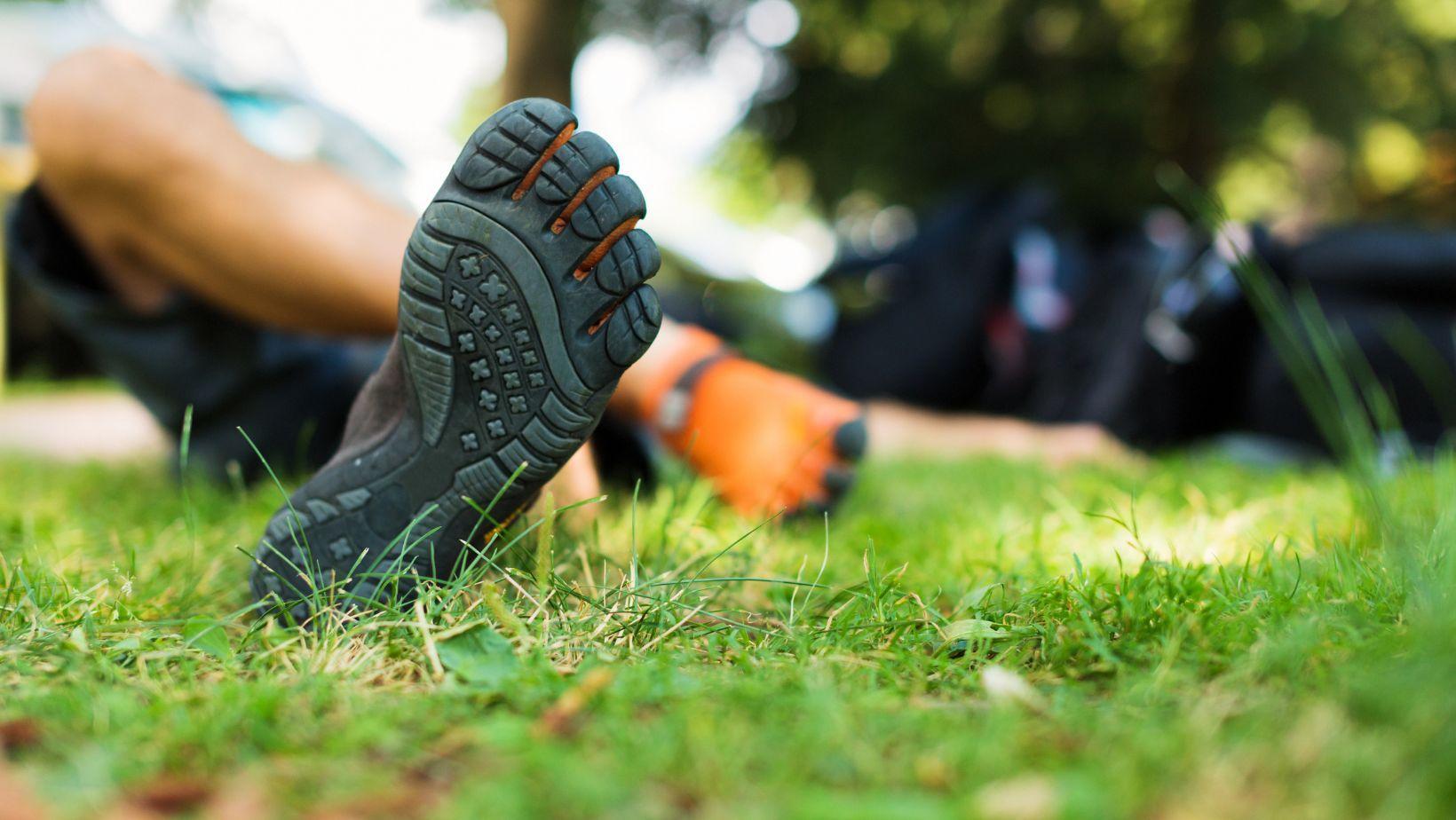
Barefoot shoes have gained attention as more people look for ways to support natural movement and improve comfort during everyday activities. Unlike traditional footwear with thick cushioning and elevated heels, barefoot shoes are designed to let the feet move more freely while still providing protection from rough surfaces. Although they are not the right choice for everyone, many people find that making the transition gradually helps strengthen the muscles in the feet and encourages a more natural walking pattern. Learning how barefoot shoes work, along with their benefits and limitations, can help you decide whether they deserve a place in your daily routine.
Understanding Barefoot Shoes
Barefoot shoes are built around a simple concept. Instead of reshaping the foot to fit the shoe, they allow the foot to function much closer to the way it naturally would without footwear. Most styles have a wide toe box that gives the toes room to spread, a flexible sole that bends with the foot, and little to no heel elevation. They also tend to be lightweight, making them feel less restrictive than many conventional shoes.
Many first-time wearers notice that walking feels different because the feet receive more feedback from the ground. This increased awareness may encourage shorter strides and a softer landing while walking or running. However, adjusting to barefoot shoes should take time. Wearing them for a few hours at first, then slowly increasing usage, gives the muscles, tendons, and ligaments an opportunity to adapt without unnecessary strain.
Why Natural Movement Matters
One reason barefoot shoes continue to grow in popularity is that they support movement patterns that many experts believe can benefit foot function. Men’s or women’s barefoot shoes are designed to encourage the toes to spread naturally instead of remaining compressed inside a narrow shoe. This wider position can improve stability while standing and walking, especially on uneven surfaces.
People who spend much of the day sitting or wearing stiff footwear may notice that their feet have become weaker over time. Like any other muscles in the body, the small muscles in the feet respond to regular activity. Allowing them to work more naturally may improve balance, coordination, and overall foot strength. Some people also appreciate the closer connection to the ground because it increases body awareness during movement. While research is still evolving, many healthcare professionals agree that stronger feet can contribute to healthier movement throughout the lower body when the transition is done carefully.
Supporting Whole Body Alignment
The feet serve as the foundation for the body’s movement, so changes in foot mechanics can influence the ankles, knees, hips, and lower back. Some practitioners in fields such as physical therapy and osteopathy examine how foot mobility affects posture and movement patterns throughout the body. While barefoot shoes are not considered a treatment for pain or injury, they may support healthier mechanics for certain individuals when used appropriately.
Walking with less heel elevation often encourages a different gait compared with heavily cushioned footwear. Instead of striking the ground heavily with the heel, many people naturally adopt shorter, more controlled steps. This shift may reduce stress on some joints during movement, although individual experiences vary depending on anatomy, fitness level, and existing conditions.
Anyone with diabetes, significant foot deformities, severe arthritis, or ongoing foot pain should discuss footwear changes with a qualified healthcare professional before making a major transition. Barefoot shoes can offer advantages, but they are not a universal solution for every foot or medical condition.
Making A Safe Transition
Switching to barefoot shoes too quickly is one of the most common mistakes people make. Because these shoes require the feet and lower legs to do more work, muscles that have remained relatively inactive for years can become sore if overloaded. Gradually increasing wear time helps minimize discomfort while allowing the body to adapt.
Simple foot exercises can also support the transition. Toe spreads, calf stretches, single-leg balance exercises, and short barefoot walks on safe indoor surfaces may improve strength and flexibility over time. Paying attention to how your body responds is more helpful than following a strict timeline. Mild muscle fatigue can be expected during the adjustment period, but persistent pain is a sign to reduce activity and evaluate whether the shoes are appropriate for your needs.
Surface choice matters as well. Beginning on sidewalks, indoor floors, or smooth walking paths is generally easier than immediately hiking rugged trails or running long distances. Building tolerance gradually gives the body the opportunity to develop strength without unnecessary setbacks.
Finding The Right Pair
Not every barefoot shoe is made the same. Some prioritize athletic performance, while others are designed for work, casual wear, or hiking. Looking for a flexible sole, a wide toe box, and a secure but comfortable fit provides a good starting point. The shoe should allow the toes to move naturally without feeling cramped, while remaining stable enough to prevent excessive sliding inside the shoe.
Personal comfort should guide the final decision. Factors such as daily activity level, workplace requirements, and existing foot structure all influence which style will feel best. Trying shoes on later in the day, when the feet are naturally a little larger, often leads to a better fit. Choosing quality materials that provide durability without sacrificing flexibility can also improve long-term satisfaction.
Barefoot shoes are not a shortcut to perfect foot health, but they can encourage stronger, more natural movement for many people when introduced thoughtfully. Taking time to adapt, listening to your body, and selecting footwear that matches your lifestyle can help you enjoy the potential benefits while reducing the risk of unnecessary discomfort.


More People Are Choosing Barefoot Shoes for Better Foot Health and Natural Movement

Beyond Treatment: Supporting Strength and Wellbeing During Esophageal Cancer Care

Why Skill-Based Prize Competitions Are Becoming a Popular Weekend Hobby

What Players Actually Ask Casino Support: A Data Breakdown from CasinoRIX

A Neglected Roof Can Undo Years of Careful Household Budgeting

Top 5 Web Scraping Services for Accurate Data Extraction in 2026

The Digital Town Square: Why Inclusive Social Spaces are the Future of Online Connection

From temple floor to living room: the story behind an antique Buddha statue

The New Rules of Office Wear? Why Personal Style Is Finally Leading the Workplace
