
Why Commercial Plumbing Systems Fail Faster Than Residential Ones

Walk through any café during lunch rush or an office lobby just before closing time and you’ll see plumbing in constant motion. Sinks never stop running. Toilets cycle all day. Dishwashers drain load after load. Compared to the occasional use in a private home, this level of demand is nonstop. That daily intensity is exactly why commercial plumbing failures show up far earlier and far more often than homeowners expect — something commercial plumbing contractors in San Jose see in almost every high-traffic building they service.
The discussion around commercial vs residential plumbing isn’t about quality differences — it’s about workload. Commercial systems simply do far more work, day after day.
Heavy Usage and High Demand
Residential plumbing rests between uses. A commercial setup doesn’t. Hundreds of hand washes, flushes, and appliance cycles happen without meaningful breaks. Valves open and close constantly. Seals compress thousands of times weekly. Drains see steady flow instead of periodic rinsing.
These components were designed for durability — but even the strongest materials have limits. Constant use shortens lifespan quickly.
Complex System Design and Scale
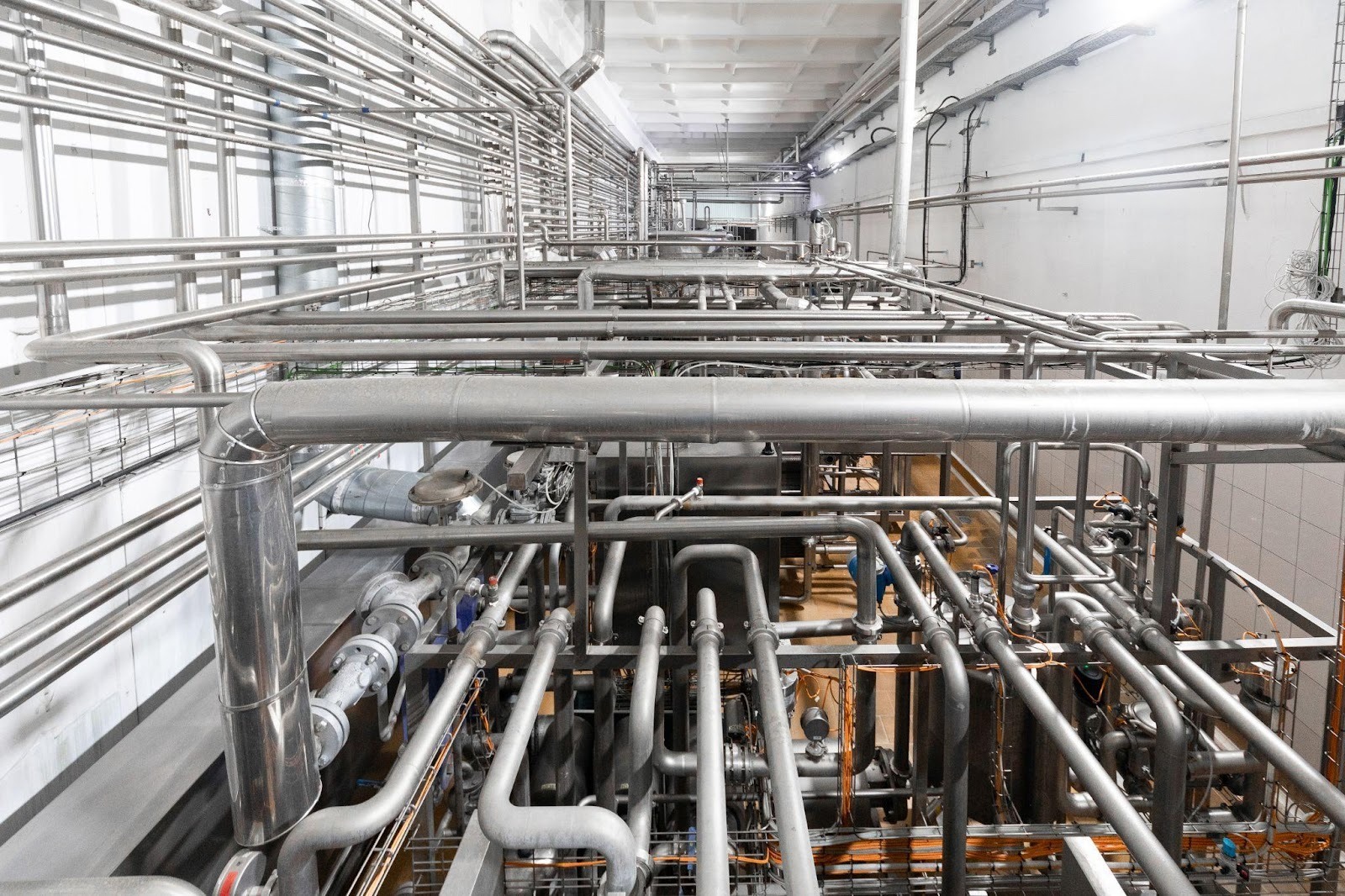
Commercial plumbing resembles a living network more than a simple utility loop. Long supply runs, booster pumps pushing water to upper floors, grease traps under restaurant kitchens, industrial-grade drainage lines — all work together under continuous stress.
Every additional joint or connector adds potential weak spots. More equipment means more reaction points to pressure shifts and temperature swings, all of which add up to accelerated wear.
Water Pressure and Flow Stress
To ensure adequate pressure across expansive buildings, elevated water pressure is common. This solves reach problems but introduces silent damage over time. Seals flatten. Gaskets fatigue. Joints weaken under repeated shock from high-velocity flow.
Sudden appliance shutoffs send stress pulses through lines, chipping away at fittings little by little — until leaks finally surface behind walls or ceilings.
Material Fatigue from Temperature Extremes
Few people consider how much stress hot water cycling applies in commercial facilities. Pipes expand when hot water circulates continuously, then contract when a cold supply surges in. This pattern repeats endlessly — causing microscopic fractures and seal fatigue.
Without consistent industrial plumbing maintenance, these tiny issues accumulate into full rupture points that seem to appear without warning.
Inconsistent or Deferred Maintenance
Commercial systems demand routine inspections — yet many property managers wait until problems become visible. Leaks may run unnoticed behind walls. Valves drift out of calibration. Scale builds quietly inside lines.
Once neglect overlaps with daily heavy usage, breakdown speeds up fast. The result? Emergency shutdowns that disrupt business — the hallmark of sudden commercial plumbing failures rather than predictable repairs.
Regulatory and Compliance Stress
Unlike houses, commercial properties operate under strict health and safety rules. Backflow protection, grease containment standards, and water conservation laws — compliance alone places systems under performance pressure.
Even minor calibration drift may cause violations, triggering expensive corrections or temporary closures that could have been avoided through preventive servicing.
Common Failure Points in Commercial Systems
Across retail spaces, restaurants, and offices, technicians repeatedly find the same vulnerabilities:
- Overworked flush valves and faucet cartridges
- Grease-clogged drains
- Pressure regulators are struggling to stabilize the flow
- Pipe joints are fatigued by temperature expansion
- Fixtures damaged by constant high-traffic use
Without structured industrial plumbing maintenance, these weak spots deteriorate until failure becomes unavoidable.
Why Commercial Systems Need Proactive Care
Routine inspections keep problems small. Pressure testing prevents seal blowouts. Drain maintenance stops backups before contamination risks develop.
Businesses that partner with experienced commercial plumbing contractors stay ahead of breakdown cycles — scheduling maintenance based on building demands rather than waiting for plumbing emergencies.
Preventive care doesn’t eliminate service costs — it replaces sudden crisis spending with controlled upkeep.
Commercial buildings also benefit from data-driven maintenance logs that track recurring issues and help predict future failures. These insights allow contractors to replace components before they reach critical fatigue levels. Without this information, small irregularities often get overlooked until they evolve into system-wide malfunctions.
Proactive monitoring not only reduces downtime but also extends the lifespan of expensive commercial plumbing infrastructure. Ultimately, businesses that invest in long-term maintenance strategies spend significantly less over time than those reacting only to emergencies.
Conclusion
Commercial plumbing isn’t inferior — it’s just under continuous stress. Without consistent attention, wear accumulates faster than most business owners realize.
Understanding the realities of high-demand plumbing environments changes priorities. When preventive care becomes standard practice instead of an afterthought, systems remain stable, compliance stays intact, and plumbing finally supports business operations instead of disrupting them.


Why Internal Linking Matters for Website SEO

Leading AI Video Generators for Creators in 2026

Optima Tax Relief Explains What an IRS Audit Lawyer Does and How They Protect You

The Physiology of Good Decisions: How Damian Creamer Manages Energy, Not Just Time

Easy Ways to Organize and Work With Digital Documents
Leading AI Video Generators for Creators in 2026

Corporate Accountability in 2026: The Rise of “Responsible Tech”

How Time for Leisure Can Support Your Productivity

Why Live Games Have Higher Minimum Bets Than Slots
