
The Dopamine Economy: How Instant Rewards In Gambling Mirror Modern Productivity Traps

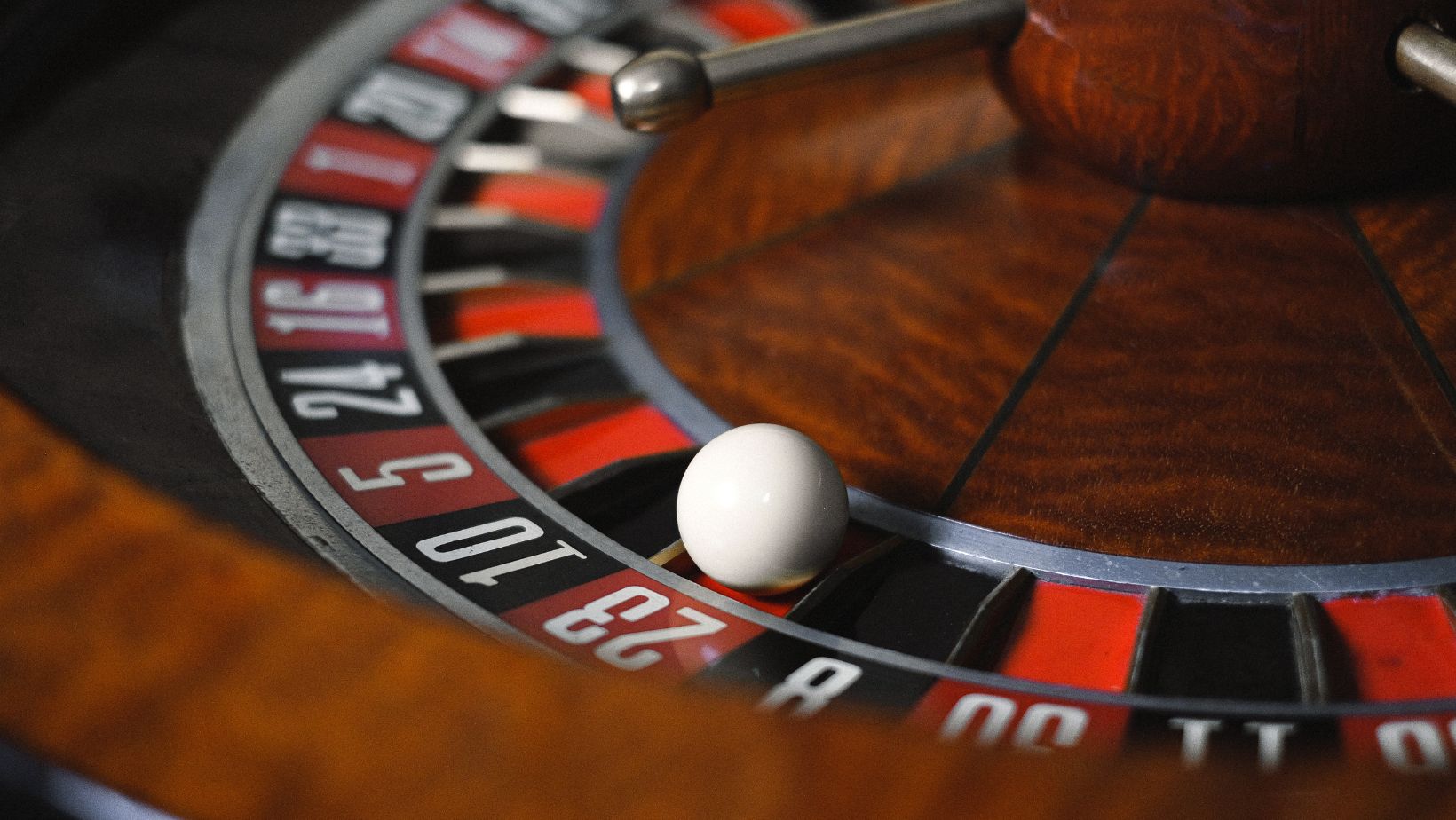
Modern life sells fast rewards.
A phone buzzes. You tap. You get a hit of novelty. A betting app flashes “win” or “near win.” A social feed serves a fresh clip. An email inbox shows a new badge. Each one offers the same promise: relief right now.
This is the dopamine economy. It is not a conspiracy. It is a business model built on short cycles. Short cycles keep you engaged. Engagement drives revenue.
Gambling makes the pattern obvious because the reward is clear. You either win or you do not. The cycle is tight. The feedback is loud.
Productivity traps use the same loop, but with quieter rewards. You check messages instead of writing. You clean your task list instead of doing the hard task. You chase “busy” because it feels like progress.
Both systems train the brain to prefer immediate certainty over slow payoff. That preference can hollow out focus. It can also distort what “work” feels like.
This article breaks down the shared mechanics. It stays practical. It shows how instant reward loops form, why they stick, and how to design work that can compete with them.
How Variable Rewards Rewire Attention
The Power Of Unpredictable Outcomes
The brain responds strongly to uncertainty.
If a reward arrives every time, interest fades. If it arrives sometimes, attention spikes. This pattern is called a variable reward schedule.
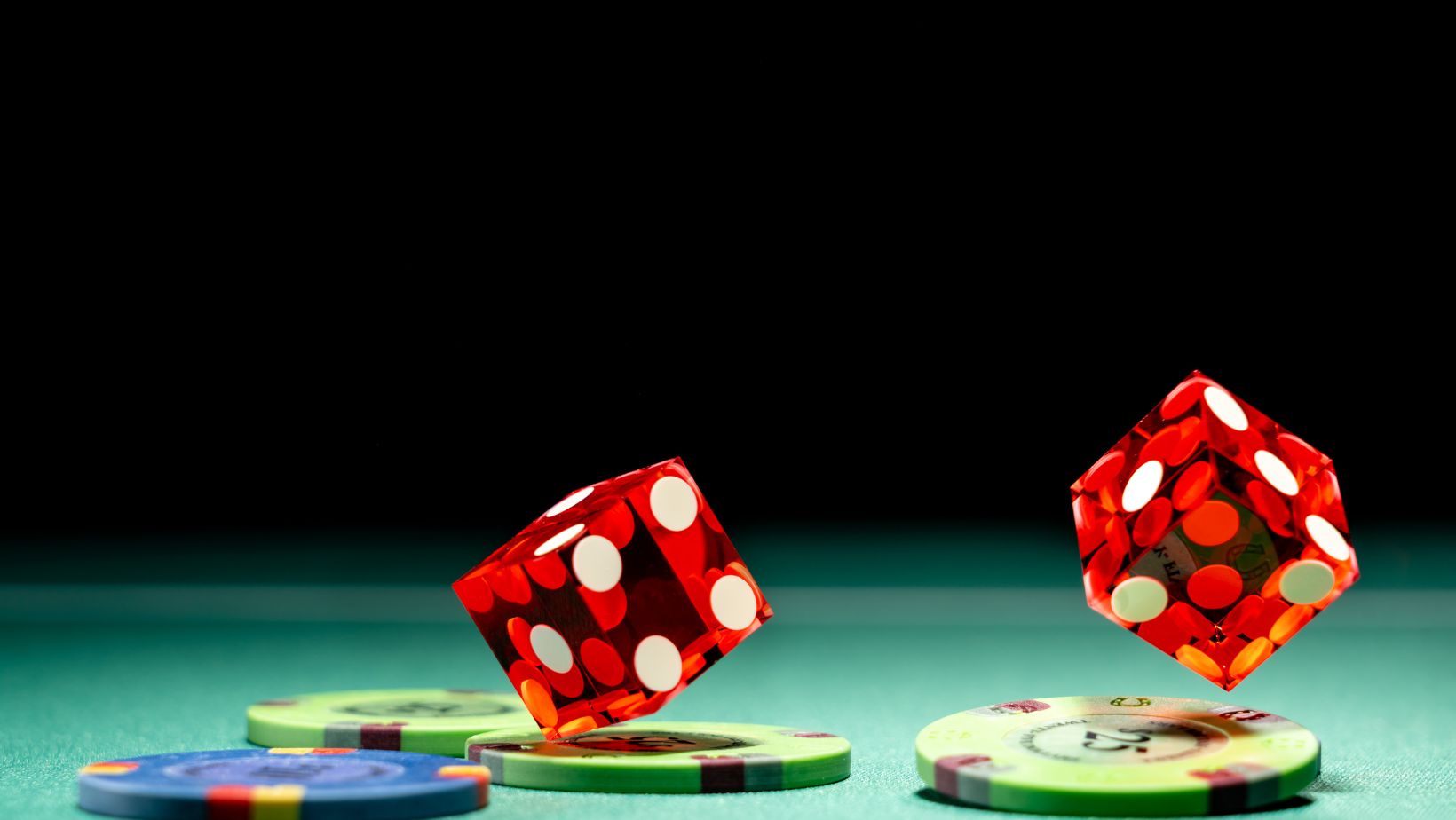
Gambling products use it openly. A slot spin may pay now, later, or not at all. The pause before the result builds tension. The outcome releases it.
Games like crash duel x crash game follow the same structure. A rising multiplier creates suspense. You must decide when to exit. The result feels personal because timing matters. The unpredictability keeps the loop alive.
The key is not the size of the reward. It is the timing gap between action and feedback.
Micro-Rewards In Daily Work
Productivity tools copy this model in softer ways.
Email offers unpredictable replies. Social media offers unpredictable likes. Task managers offer quick visual wins when you tick a box.
Each small action delivers a tiny reward. The effort is low. The feedback is fast. The brain prefers that loop over a long, silent task like drafting a report.
The problem is not pleasure. The problem is scale. When small rewards dominate, deep work feels dull by comparison.
Attention As A Finite Resource
Attention is like muscle strength. Spend it on small lifts all day and you lack power for heavy ones.
Variable rewards drain focus because they demand constant checking. Each check resets concentration. Each reset carries a cost.
The system trains you to scan for the next hit. It weakens tolerance for delay.
Understanding this mechanism does not require moral judgment. It requires clear observation. Fast loops feel good. Slow progress feels uncertain.
Without structure, the fast loop wins.
The Productivity Illusion: When Busy Feels Like Progress
Visible Activity Vs Real Output
The brain likes visible proof.
Clearing an inbox shows “zero.” Finishing small tasks shrinks a list. Replying to messages creates motion.
Deep work rarely shows instant proof. Writing a chapter may take hours before a clear milestone appears. Learning a skill feels slow.
Because of this gap, people drift toward tasks that signal completion. The work feels productive. The results remain shallow.
Short Cycles Crowd Out Long Cycles
Instant loops train short attention spans.
Check. Respond. Refresh. Repeat.
Long projects demand the opposite rhythm. Focus. Build. Revise. Endure silence.
When short cycles dominate the day, long cycles never gain traction. The mind becomes restless. It seeks stimulation instead of structure.
Emotional Avoidance Disguised As Efficiency
Small tasks also protect ego.
Answering emails carries little risk. Drafting a proposal risks rejection. Reviewing metrics risks facing weak performance.
Busy work feels safe. Hard work feels exposed.
The dopamine loop hides this avoidance. It frames distraction as responsibility.
Breaking this illusion requires awareness. You must measure output, not motion.
Designing Work That Can Compete With Instant Rewards
Increase Friction On Shallow Loops
If a habit is too easy, it wins.
Add friction to fast loops. Log out of non-essential apps. Turn off non-critical notifications. Move distracting tools off the main screen.
Small barriers slow impulse. Slower impulse protects focus.
You do not remove technology. You change access speed.
Shorten Feedback In Deep Work
Deep work feels slow because feedback is delayed.
Break large tasks into visible checkpoints. Write 300 words, not “finish report.” Solve one section, not “complete project.”
Create markers you can measure daily. Visible progress builds internal reward.
This approach does not fake productivity. It makes progress tangible.
Use Timed Focus Cycles
Set a fixed block. Forty-five minutes. No switching. No checking.
Treat it like a training set. When the timer ends, rest briefly. Then repeat.
Timed cycles build endurance. Endurance reduces craving for quick hits.
Over time, the brain adjusts. It learns that sustained effort also produces reward. The reward simply arrives later.
Reclaiming Control In The Dopamine Economy
Shift From Reaction To Design
Most people react to cues. A buzz triggers a check. A badge triggers a click.
Control begins with design. Decide when you will check messages. Decide when you will review metrics. Make those moments scheduled, not random.
Predictable review reduces impulsive scanning. It restores agency.
Redefine Reward
Not all rewards must flash.
A finished draft. A solved problem. A skill improved. These rewards feel quieter but last longer.
Train yourself to notice them. Record them. Reflect on them at day’s end.
Attention grows where it is directed.
Accept Delayed Payoff
Long projects carry uncertainty. That uncertainty can feel uncomfortable.
Accept it as part of growth. The absence of instant feedback does not signal failure. It signals depth.
The dopamine economy will not disappear. Instant loops will remain available at all times.
But when you understand their structure, you stop mistaking stimulation for progress.
You begin to choose work that compounds.
And compounding, not clicking, builds meaningful results.


Institutional Interest in Solana: What’s Driving Confidence?

The Ultimate Sports Trends 2026

The Mechanics and Design Principles of Scatter Pays in Online Slots

How Pinco Casino Protects Accounts from Fraud and Hacking

The Dopamine Economy: How Instant Rewards In Gambling Mirror Modern Productivity Traps

Nuclear Medicine Breakthroughs: Understanding Lutetium-177 Therapy

7 Essential Gym Marketing Tools For Every Gym Owner

Best eSignature Solutions to Streamline Lifestyle

Understanding Order Books and How They Affect Crypto Prices
