
The ‘Casino-fication’ of business: how Apps stole the secrets of slot machines

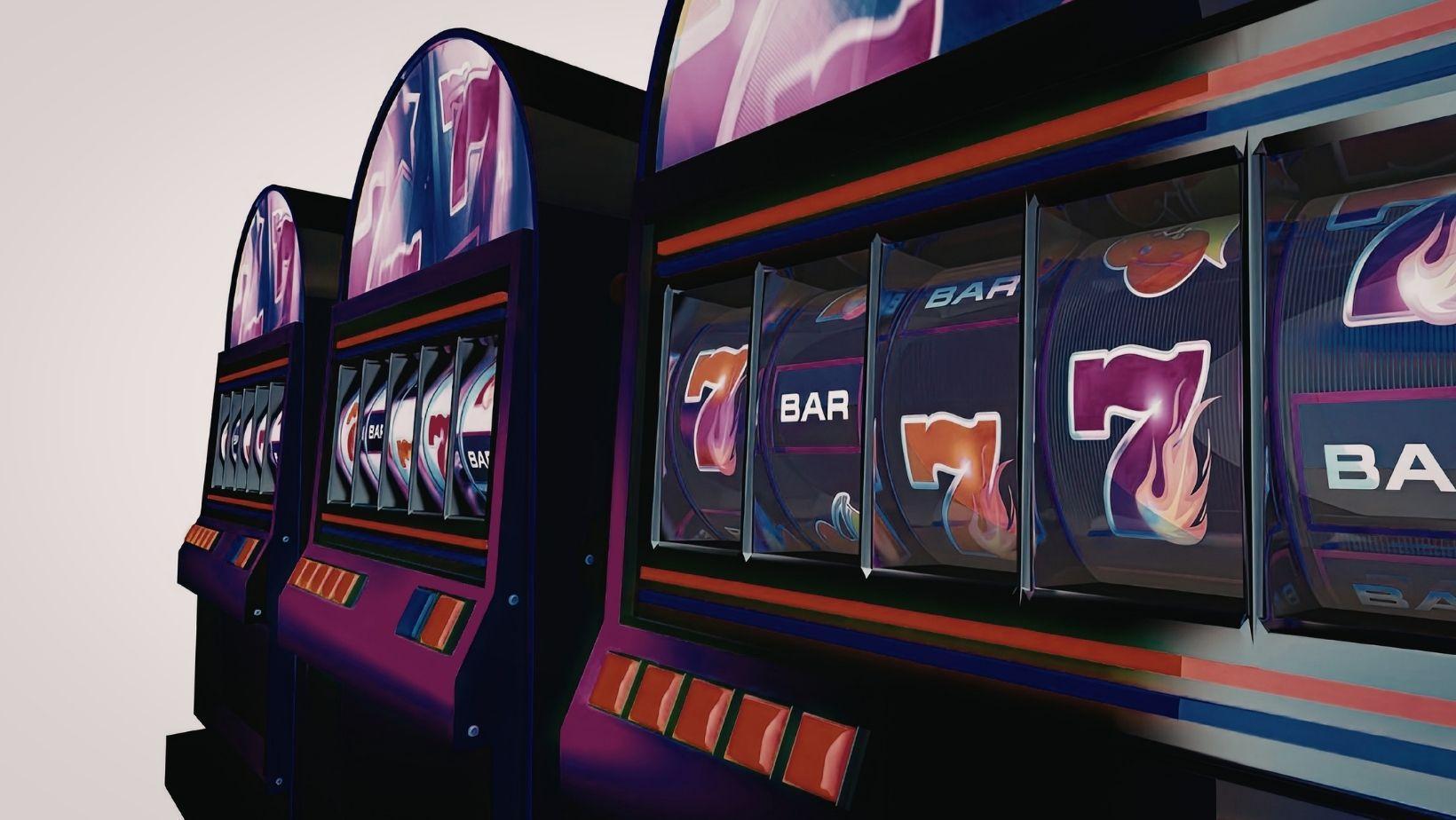
Think about one of the most common gestures you perform every day: pulling down your screen to refresh your social media feed or email inbox. It feels harmless, almost automatic. But in reality, that simple swipe is the digital equivalent of pulling the lever on a slot machine. You don’t know what you’ll get—maybe a like, a message, breaking news, or nothing at all. And that uncertainty is exactly the point. This design relies on a powerful psychological principle known as variable reward. Instead of predictable outcomes, users are exposed to intermittent, random rewards that keep them hooked. The brain releases dopamine not just when we receive a reward, but when we anticipate it. This creates a loop of desire, action, and gratification that’s incredibly hard to break. The slot machine’s lever mechanism thus becomes a way to satisfy the user’s thirst for knowledge and entertainment; just like a gambler, the user waits for their reward. It is precisely through daily rewards and bonuses that the best online casinos—such as those featured on the oddschecker comparison site—have built their success, encouraging new players to gamble and retaining the loyalty of existing ones. Social platforms have mastered this system. Infinite scroll, push notifications, and unpredictable updates trap users in what experts call “ludic loops”—cycles of anticipation and feedback. Over time, these habits become internalized. You no longer need a notification; you check your phone instinctively. And in some cases, this leads to anxiety, compulsive behavior, and even “phantom notifications,” where you feel your phone buzz when it hasn’t.
Trading like a game: the Robinhood case
Few products demonstrate the combination of finance and gamification quite like Robinhood Markets, Inc. Robinhood changed the investing landscape by eliminating commissions on trades, thereby making investing accessible to all. However, as well as offering users a commission-free trading platform, Robinhood has also purposely designed its app to mirror the psychology of casinos and their gaming experience. The app’s user interface is designed to give users the impression that they are trading quickly, easily and just for fun. One controversial aspect of Robinhood is the way it rewards users with free stocks. Rather than instantly providing users with their free stock, Robinhood has created a scratch-off experience similar to purchasing a lottery ticket, where users must “reveal” their reward, building up suspense and excitement in the process. Another example of gamification within Robinhood is the explosion of digital, animated confetti on the user’s screen after every successful trade. This sudden onslaught of confetti gives users immediate “celebration feedback” following a trade, ultimately creating a positive response to trading. Due to the high level of public attention, concern and dissatisfaction surrounding the gamified experiences, Robinhood has decided to limit the amount of confetti and other forms of gamification in the app.
E-commerce and fast fashion turn play into profit
The same playbook is now being used across e-commerce and fast fashion. Platforms like Shein, AliExpress, and Temu are turning shopping into an interactive experience driven by sophisticated marketing strategies that borrow directly from game design. Take the now-ubiquitous “spin the wheel” feature. Users tap to spin a digital wheel and win discounts, free shipping, or bonus credits. It’s simple, but incredibly effective. The randomness creates excitement, while the possibility of a reward keeps users coming back. Beyond that, many platforms include mini-games, daily check-ins, countdown deals, and referral challenges. These mechanics tap into core psychological triggers: variable rewards, a sense of progression, and FOMO (fear of missing out). The result? Users spend more time in the app and are more likely to make impulsive purchases. Then there are mystery boxes—packages with unknown contents that promise surprise and potential value. First made famous by companies such as Pop Mart, the model is now found in many industries, from fashion to technology. The main attraction lies in the element of surprise: you could end up with an incredible product or a terrible one. Ultimately, though, the excitement generated by these purchases contributes to the enjoyment of buying them, regardless of what you get.


Why Internal Linking Matters for Website SEO

Leading AI Video Generators for Creators in 2026

Optima Tax Relief Explains What an IRS Audit Lawyer Does and How They Protect You

The Physiology of Good Decisions: How Damian Creamer Manages Energy, Not Just Time

Easy Ways to Organize and Work With Digital Documents

Why the Headline Price Rarely Tells You the True Cost of a Major Financial Decision

How Entrepreneurs Can Evaluate Online Business Advice

10 Apps That Let You Earn Real Cash From Your Phone

Hot, Cold, Repeat: How Contrast Therapy Fits Into a Modern Wellness Routine
