
Beyond Treatment: Supporting Strength and Wellbeing During Esophageal Cancer Care

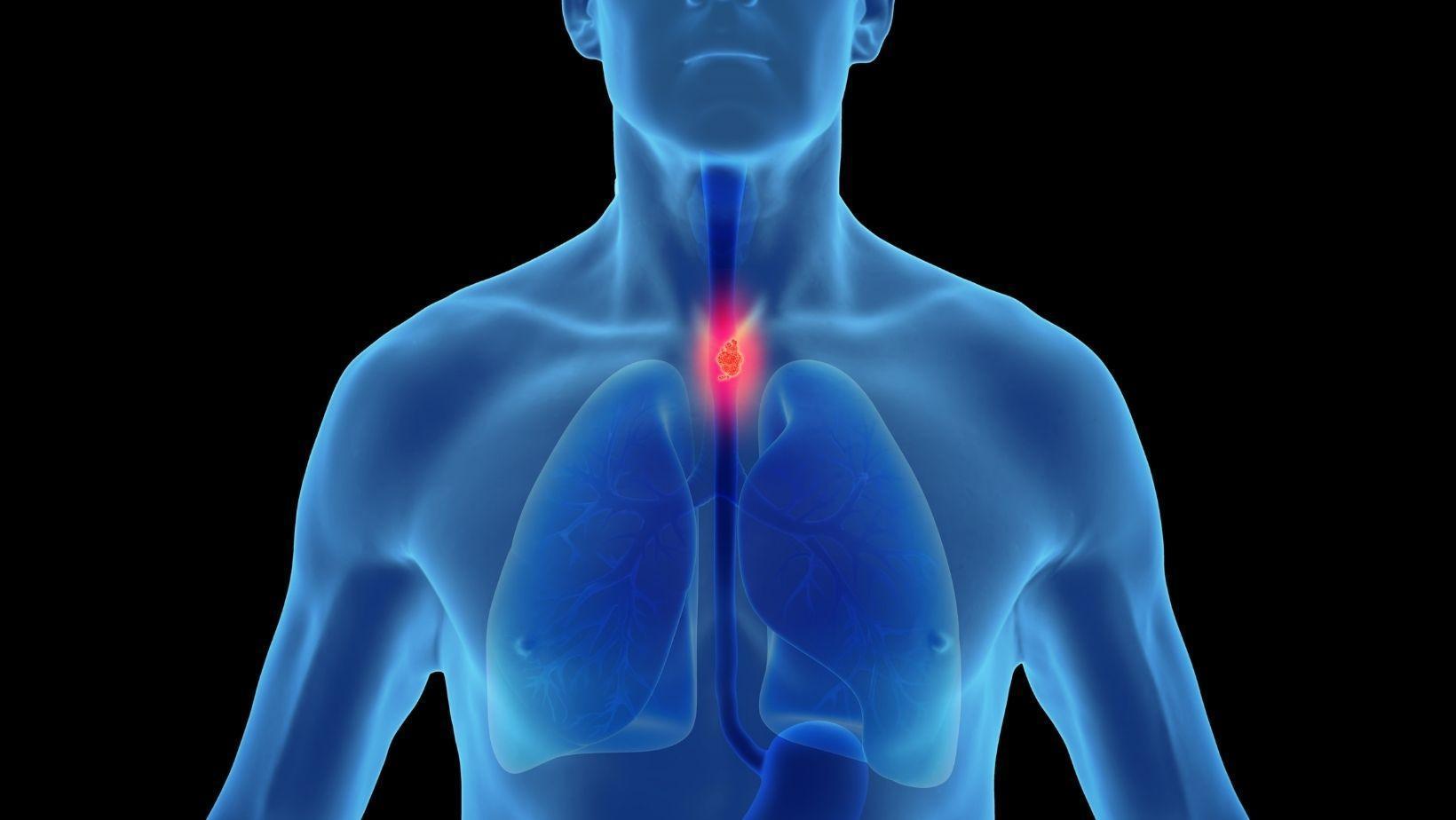
Supporting patients with Esophageal Cancer during their cancer journey is very important to patients and their families. Understanding what to expect from care may help patients prepare for treatment and recovery.
Understanding the Impact of Cancer Care
Many different physical symptoms can occur due to the Esophageal Cancer itself and its treatment. The patient may experience problems with swallowing, nausea, tiredness, loss of appetite, and weight loss. He or she may also experience mouth and throat problems. On top of these physical problems, the patient and his or her family members can also experience many different emotions during the time of cancer. These can include feelings of anxiety, fear, sadness, frustration, and uncertainty to name a few.
It is important to remember that different types of cancer and different treatments can have very different effects on patients. For example, a person with esophageal cancer may have difficulty swallowing due to their cancer. They may experience symptoms such as nausea, fatigue, loss of appetite and weight loss. They may also experience problems with their mouth and throat.
Keeping track of symptoms is important. All symptoms, including any new or changing symptoms must be recorded and the medical team must be informed.
Protecting Physical Strength
In addition to trying to keep physical strength during cancer care, there are a number of things that patients and families can do to help them manage their care. This includes a number of activities that can be broken down into smaller tasks that can be done on a rest day.
Patients can prioritize meaningful activities by making a list of things they want to do and sharing it with their family and friends. They can then work together to complete the activities, in small chunks of time, to ensure that they have enough energy to complete each one.
It is very important to remember that asking for help is not a sign of failure. Patients and their families can spread the load and make sure that neither of them is overworking themselves. It is very important to inform doctor of any persistent or severe fatigue as this can be an indication of an underlying problem.
Supporting Nutrition and Hydration
Most patients with esophageal cancer develop problems with eating and drinking during the course of their illness. Some patients experience nausea and loss of appetite. Other patients develop problems with the mouth, throat or back of the throat which can make eating and drinking uncomfortable for them.
Nutrition for patients with cancer is part of their supportive care and they need sufficient calories, protein and fluids as well as the required amount of vitamins and minerals to meet their increased needs and to support their body’s normal functions. In many cases patients with cancer need changes in food type, meal frequency and portion size. In some cases patients are recommended to take oral nutritional supplements in addition to their normal diet. In some cases of esophageal cancer patients may be recommended to have a feeding tube inserted to give them all the nutrition they require. Patients should seek individual advice from their healthcare team or from a registered dietitian.
Individuals with esophageal cancer have changing nutritional requirements during and after esophageal cancer treatment. Therefore, patients with this diagnosis need individualized nutritional advice by their health care providers or a registered dietitian, rather than information on diet in general.
Caring for Emotional Wellbeing
Many people affected by cancer have a lot of emotions. Patients can feel afraid of their treatment. They can worry about the future. Some patients can become frustrated with the many changes in their life and the many questions they have.
There are many ways that people with cancer can process the information of their diagnosis. They can talk to family and friends, or speak with a counselor, psychologist, social worker, or even a spiritual adviser. Cancer support groups are also a good way for people to speak with others who have experienced similar situations.
Most people with cancer talk to others who have been diagnosed with the same disease. Sometimes this is within a formal support group, but for many people the greatest support comes from fellow patients in hospital.
Help must not be a problem for people with cancer. All patients receiving cancer treatment should feel comfortable to ask for help with any emotional problems they are experiencing that could become a problem and affect their treatment. Mental health is as important as physical health for a person with cancer.
Staying Connected to Everyday Life
Many people with cancer continue to enjoy activities which make them feel better and which will aid their return to full health. These can be activities which help patients to feel connected with family and friends, and other activities which help to take their mind off their cancer. Such activities can include listening to music, reading, watching TV, going for short walks, and pursuing of patients’ hobbies and interests.
Patients are able to continue to enjoy activities of interest to them during their cancer treatment. These activities can provide much-needed ‘relief’ from cancer treatment and give patients the chance to spend time with family and friends and to return to activities which have been of interest to them in the past.
Some activities may be modified to enable the patient to perform them. For example, a patient who used to go for long walks earlier might instead go for short walks.
Taking an Active Role in Care
By learning more about a patient’s diagnosis and treatment, they can become more involved in their care. By writing down all of the questions that they have before their next appointment, regarding their symptoms, medication, any side effects of their treatment, nutrition, treatment schedule and recovery from treatment, the patients can become more involved in their care.
For example, someone with esophageal cancer might want to know what benefits will be derived from a given treatment, the risks associated with the treatment, the length of time of the treatment, and the expected onset and resolution of side effects.
Some people may consider asking for a second opinion about their diagnosis or treatment, and others may be interested in being considered for participation in a clinical trial. Decisions about these issues should, however, be taken in conjunction with health care professionals who can provide patients with the appropriate information as per their individual circumstances and diagnosis.
Building a Reliable Support Network
Support can come from health care professionals, family and friends as well as from a patient’s caregiver. In addition to needing support from these individuals a patient may also need support from a dietitian, counselor and/or a cancer support group.
Some patients may require help with transportation, cooking, shopping, etc., as well as being present for patients during appointments, and to complete tasks around the house. On the other hand, some patients may simply require a companion to attend appointments with, or someone to talk to and listen to their concerns and fears.
It is very important that both the patient and their caregivers are able to communicate their needs and can be flexible to changing needs and circumstances. Patients need to be able to tell others when they need help and when they can handle things on their own and just need to rest and recharge.
Looking Beyond Treatment
The end of treatment for active cancer does not necessarily mean the end of physical and emotional challenges to return to full health and return to activities of daily life and work, etc.
Follow-up care with the doctor is crucial for checking on the recovery and any other problems that may have arisen, whether they are old or new. Patients should also ask their doctor when they may be able to return to work, start exercising again, go on a well-deserved holiday or go back to doing any of the other activities that were put on hold during their treatment.
Support for strength and wellbeing during esophageal cancer care goes beyond treatment. There are physical needs to be met, a need for proper nutrition, and an impact on emotional wellbeing, relationships, daily responsibilities, and on recovery.
There are many ways in which a patient in treatment or after treatment can focus on their overall wellbeing. The patient in treatment can concentrate on his/her health by staying in contact with the healthcare team, by paying close attention to nutritional intake and rest periods. By reporting any symptoms and any concerns the patient in treatment can also focus on his/her health. It is also important to accept any support offered from various sources. The patient after treatment can also focus on his/her health in a similar way by trying to maintain daily meaningful activities as much as possible.
Medical Disclaimer: The information provided in this article is intended for educational purposes only and should not be interpreted as medical advice, a clinical guideline, or a recommendation for any specific treatment.


Beyond Treatment: Supporting Strength and Wellbeing During Esophageal Cancer Care

Why Skill-Based Prize Competitions Are Becoming a Popular Weekend Hobby

What Players Actually Ask Casino Support: A Data Breakdown from CasinoRIX

A Neglected Roof Can Undo Years of Careful Household Budgeting

Immigration Options for Business Owners in Fort Lauderdale

A 225-Year-Old Invention Is Suddenly the Hottest Thing in Watches. Here’s Why.

Top 5 Web Scraping Services for Accurate Data Extraction in 2026

The Digital Town Square: Why Inclusive Social Spaces are the Future of Online Connection

From temple floor to living room: the story behind an antique Buddha statue
