
Nutrition Strategies That Will Support Your Active San Diego Lifestyle

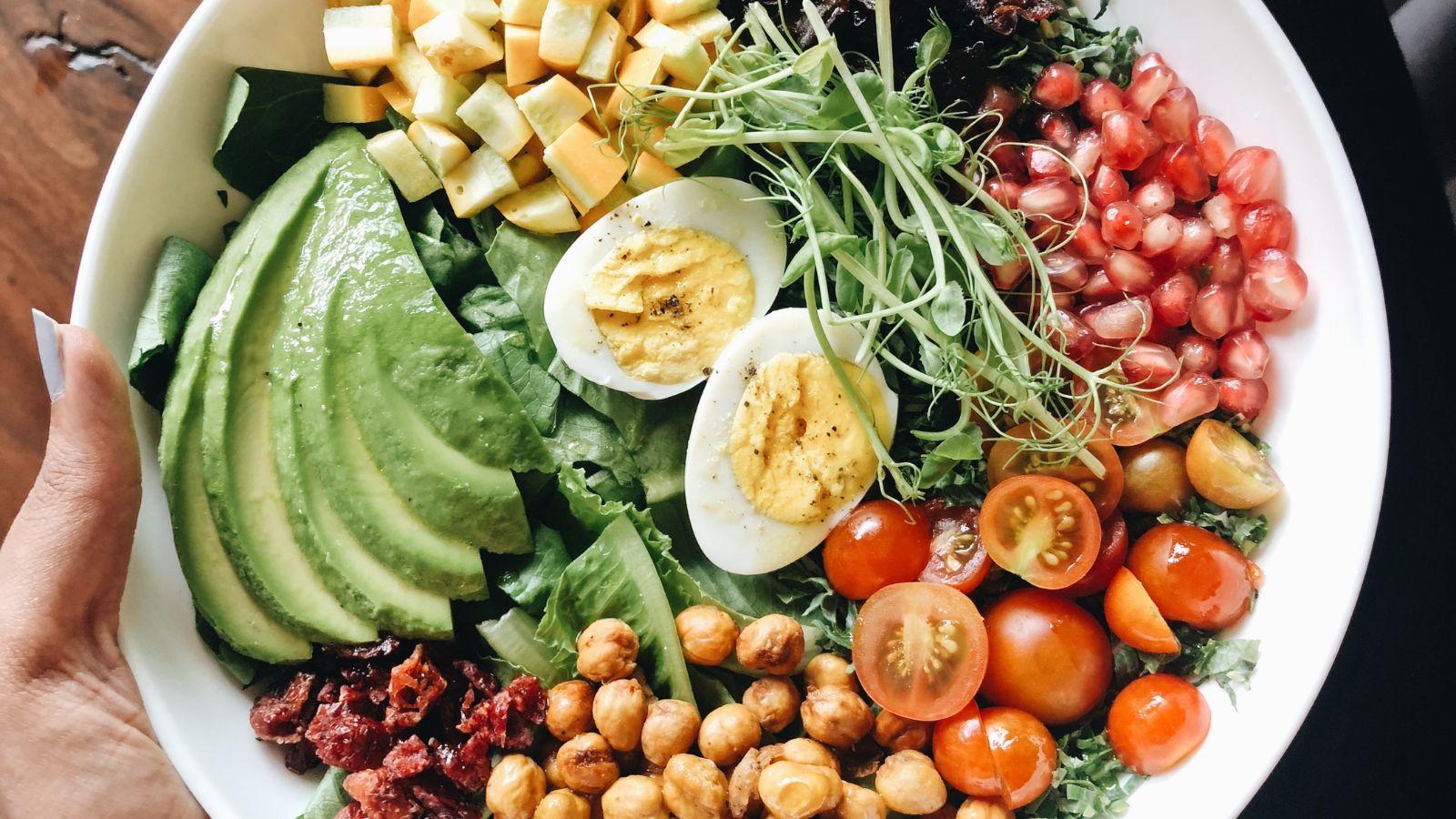
Living in the San Diego climate gives you ample opportunity to stay active year-round. From paddleboarding off Mission Beach and taking weekend hikes in Torrey Pines to doing weekday runs along the Embarcadero, there are many places to stay active. However, realize that what you put into your body directly determines how well you perform and recover from all that activity. No matter how committed you are to your fitness routine, having poor nutrition will hold you back from reaching your full potential.
Building Your Plate Around Performance
One of the most important components of staying healthy in San Diego is building your plate to enhance your performance. Understanding basic macronutrients, including fats, carbohydrates, and proteins, is a great starting point. Getting adequate nutrition in each of these areas can help you create an effective nutrition strategy that boosts your performance and helps you see results sooner.
Macronutrients and Why They Matter
Protein is absolutely essential for muscle growth and repair. Aim for lean sources like fish, eggs, grilled chicken, and even legumes. San Diego boasts an incredible seafood selection that makes it relatively easy to get high-quality protein into your diet. Carbohydrates are your body's main source of energy. Complex carbs like oats, brown rice, sweet potatoes, and whole grains give you sustained energy for long, intense training sessions. Healthy fats from sources like olive oil, nuts, and avocados help to support joint health, long-lasting energy, and hormone production.
Hydration in the San Diego Heat
San Diego's sunny, warm climate makes it a great place to stay active. However, it's also imperative to prioritize hydration. Even on mild days, any outdoor activity can cause significant fluid loss through natural perspiration. Dehydration can quickly lead to reduced performance, slower recovery, and fatigue. Any great personal trainer in San Diego can provide you with general guidelines to ensure you drink enough water to stay healthy.
Staying Ahead of Dehydration
A good rule of thumb is to drink at least half your body weight in ounces every day. On days when you're training hard or spending a lot of time outdoors, you'll need to consume more water. Another important thing to note is that if you're working out for more than an hour, plain water may not be enough to replenish the fluids you lose. You'll need electrolytes, including calcium, sodium, and magnesium, to help your body retain fluids. This helps to maintain proper muscle functioning and ensures adequate recovery. Basic sea salt and water are a great alternative to traditional sugary sports drinks.
Timing Your Nutrition Around Your Workouts
What you eat before and after a workout can have a significant impact on your recovery and performance alike. Before working out, aim for a balanced meal or snack that contains carbohydrates and a moderate amount of protein. Something like a whole grain wrap with turkey or even oatmeal with fruit gives your body the energy it needs to perform at its best. This will ensure that you can get the most out of your workout.
Post-Workout Eating
After your workout, your muscles are specifically primed to absorb nutrients. This is the perfect time to refuel with protein and carbohydrates. Aim to eat within 30 to 60 minutes after finishing your workout to help kick-start muscle repair and replenish glycogen stores. Something like a banana, Greek yogurt, or even berries is a convenient and quick option that can fit into your busy schedule. Work with your personal trainer in San Diego to ensure your training program accounts for these key pre- and post-workout nutritional windows and maximizes the results of every session.


Why Internal Linking Matters for Website SEO

Leading AI Video Generators for Creators in 2026

Optima Tax Relief Explains What an IRS Audit Lawyer Does and How They Protect You

The Physiology of Good Decisions: How Damian Creamer Manages Energy, Not Just Time

Easy Ways to Organize and Work With Digital Documents

How to Build a More Social, Joyful Weekly Routine

How to Plan Leisure Spending with Clear Limits

How to Contact the BetterThisWorld Team
Leading AI Video Generators for Creators in 2026
