
15 Smart Last-Mile Delivery Strategies for Growing Ecommerce Businesses

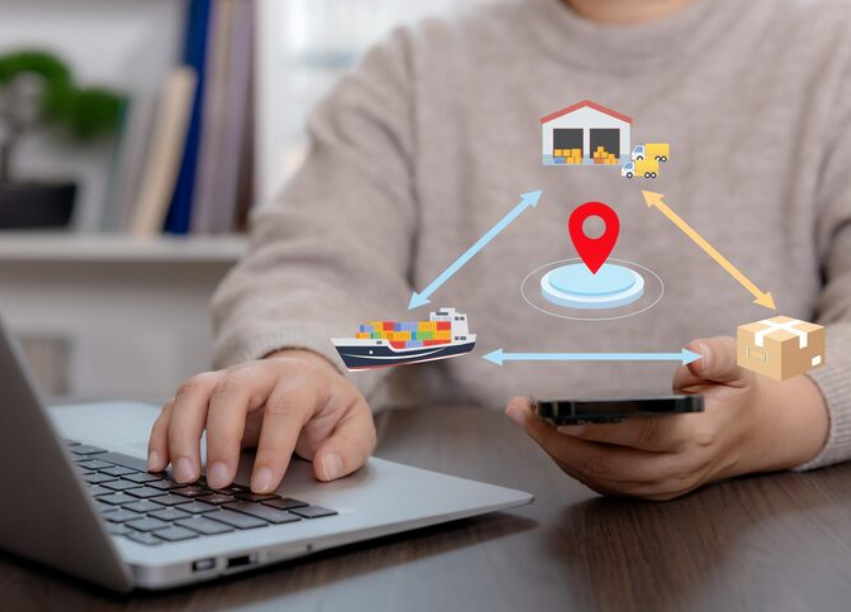
Do customers remember your product, or the delivery experience that came with it?
Many ecommerce businesses lose repeat sales not because of product quality, but because delivery feels slow, unclear, or unreliable.
As order volume grows, last-mile delivery starts affecting more than shipping; it impacts customer trust, support costs, and even reviews.
A few smart changes can turn delivery into a smoother and more predictable part of your business.
1. Show Delivery Dates Before Checkout
Customers do not want vague shipping promises. They want a clear idea of when the order may arrive before they pay.
Instead of only saying “standard shipping,” show estimated delivery dates based on the customer’s location.
For example, “Arrives between May 6 and May 8” feels more useful than “3–5 business days.”
2. Match Delivery Speed to Customer Intent
Not every order needs the fastest delivery. A customer buying a birthday gift may need speed, while someone buying household basics may prefer a lower delivery cost.
Offer simple choices such as:
-
Standard delivery for cost-conscious buyers.
-
Express delivery for urgent orders.
-
Scheduled delivery for large items.
-
Pickup options for local customers.
3. Use Tracking That Explains What Is Happening
Tracking should do more than show a moving dot. Customers want to understand what is happening at each stage.
A strong last mile delivery process provides clear updates from dispatch to final delivery. When customers feel informed, they are less likely to worry or contact support.
4. Build Delivery Rules by Product Type
A beauty product, a sofa, and a laptop should not follow the same delivery process. Each product has different handling needs.
For example, fragile items may need protective packaging and proof of delivery. Bulky products may need delivery appointments. High-value items may need a signature.
5. Use Address Checks at Checkout
A small address error can create a costly failed delivery. Add address validation at checkout so customers can correct missing apartment numbers, postal codes, or street details before the order is placed.
6. Plan Delivery Around Local Demand
Growing ecommerce brands often see order clusters in certain cities or regions. Use order data to identify those areas and adjust your delivery strategy accordingly.
For example, if most of your orders come from one metro area, storing fast-moving products closer to that region can reduce delivery time by days and lower shipping costs.
7. Prepare Different Plans for Peak Periods
Holiday sales, flash promotions, and product launches can strain delivery operations. A normal delivery plan may not work when order volume doubles.
Create a peak-season plan that covers extra staff, carrier capacity, customer updates, and backup delivery options.
8. Reduce “Where Is My Order?” Tickets
Support tickets are not only a customer service issue. They are often a delivery visibility issue.
Customers usually reach out when they feel unsure, not just when something goes wrong. A short update like “Your order is out for delivery today” or “Delayed by one day due to weather” can prevent unnecessary queries.
Fewer tickets mean your support team can focus on real issues instead of routine tracking questions.
9. Make Delivery Instructions Easy to Add
Customers often know useful details that drivers need. They may want the package left at reception, near the side door, or delivered after a certain time.
Add a delivery instruction box at checkout, especially for apartments, offices, and gated buildings.
10. Track Failed Delivery Reasons
Do not count only failed deliveries. Track why they failed.
Common reasons include:
-
Incorrect address
-
Customer not available
-
Access issue
-
Weather delay
-
Product not ready
-
Route capacity issue
11. Connect Delivery Data With Inventory Planning
Delivery issues sometimes begin before the package leaves the warehouse. If your best-selling product is stored far from your highest-demand region, every order travels longer than it should.
This increases delivery time and cost at the same time. By aligning inventory placement with actual demand, businesses can shorten delivery routes, reduce delays, and improve overall efficiency without changing carriers.
12. Choose Support That Can Scale With Order Growth
As ecommerce orders grow, managing storage, dispatch, carrier coordination, tracking, and returns can become harder for internal teams.
Some businesses use 3PL logistics services to handle these moving parts while keeping their own team focused on sales, products, and customer care.
13. Make Returns Part of the Delivery Strategy
Returns should not feel like a separate problem. They are part of the post-purchase experience.
Clear return labels, pickup options, return tracking, and simple instructions can help customers feel safer buying again.
14. Use Proof of Delivery for Sensitive Orders
For high-value, fragile, or bulky orders, proof of delivery is important. It may include a photo, signature, timestamp, or delivery note.
This helps resolve questions quickly and gives both the business and customer a clear record.
15. Review Delivery Performance Every Month
Last-mile delivery should be reviewed regularly, not only after complaints. Look at late deliveries, failed attempts, delivery costs, support tickets, customer reviews, and repeat purchase rates.
Conclusion
For growing ecommerce businesses, delivery is not just an operational task—it is part of how customers judge the entire buying experience. Small gaps in delivery can lead to missed expectations, while clear and reliable delivery builds trust over time.
By improving visibility, planning smarter routes, reducing failed attempts, and aligning delivery with customer needs, businesses can turn last-mile delivery into a more stable and scalable part of growth.


Why Internal Linking Matters for Website SEO

Leading AI Video Generators for Creators in 2026

Optima Tax Relief Explains What an IRS Audit Lawyer Does and How They Protect You

The Physiology of Good Decisions: How Damian Creamer Manages Energy, Not Just Time

Easy Ways to Organize and Work With Digital Documents

How to Build a More Social, Joyful Weekly Routine

How to Plan Leisure Spending with Clear Limits

How to Contact the BetterThisWorld Team
Leading AI Video Generators for Creators in 2026
