
OrganicFormulaEurope and the Growing Shift Toward Conscious Infant Nutrition

Introduction: A New Era of Parental Decision-Making
Parenthood in the 21st century is characterized by unprecedented access to information. Unlike previous generations, modern parents do not rely solely on local grocery shelves or physician recommendations. Instead, they conduct extensive research, compare international regulatory standards, participate in online communities, and analyze ingredient lists in detail before making decisions.
Infant nutrition, in particular, has become a focal point of this transformation. Formula feeding, once viewed primarily as a practical necessity, is now frequently examined through the lenses of sustainability, regulatory philosophy, ingredient transparency, and agricultural ethics.
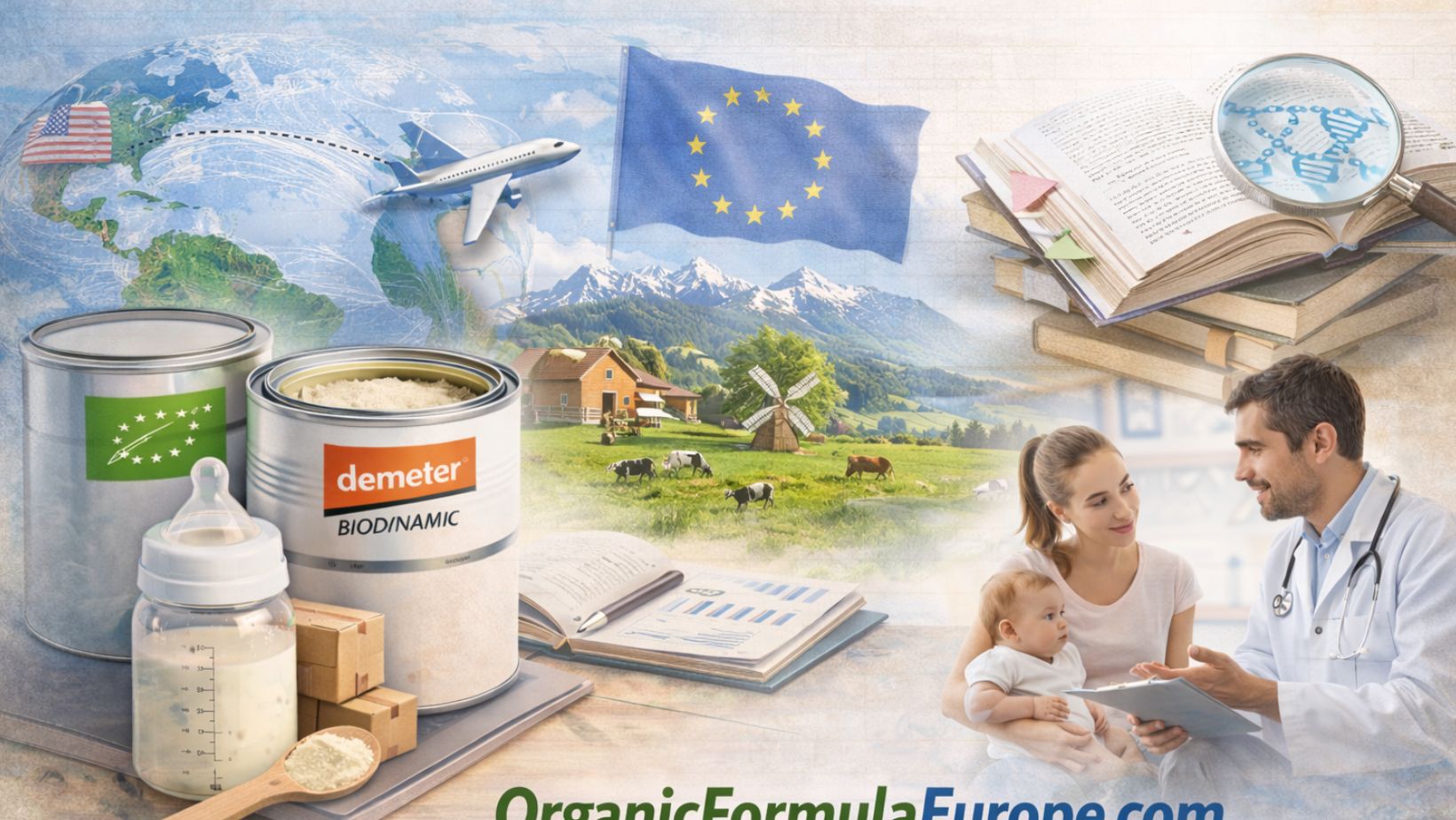
Within this evolving landscape, interest in European organic infant formula has expanded significantly among U.S. families. Platforms such as OrganicFormulaEurope have emerged to serve parents seeking access to European-certified organic formula brands. To understand this shift, it is important to explore the broader cultural, regulatory, and economic forces influencing parental behavior.
The Globalization of Food Standards
Food regulation is not universal. Different countries maintain distinct frameworks that reflect historical, political, and cultural priorities.
In the European Union, organic food production is governed by Regulation (EU) 2018/848, which establishes standards regarding pesticide use, genetically modified organisms (GMOs), synthetic additives, and farming practices. These regulations apply across member states and are enforced through inspection systems designed to maintain traceability.
The United States, by contrast, regulates infant formula under the Federal Food, Drug, and Cosmetic Act, while organic certification falls under the USDA Organic Program. Both systems prioritize safety, yet their methodologies and permitted ingredients can differ in technical details.
For parents who research these frameworks, the existence of differing regulatory philosophies often prompts questions rather than conclusions. The growing awareness of these distinctions has contributed to cross-border consumer interest.
Why European Organic Formula Attracts Attention
Ingredient Composition
European organic infant formulas often emphasize lactose as the primary carbohydrate source in cow’s milk-based formulations. While lactose is also used in many U.S. formulas, some American brands incorporate additional carbohydrate blends.
Additionally, the European Union mandates the inclusion of DHA (docosahexaenoic acid) in infant formula at regulated concentrations. The sourcing and structure of fatty acids can vary between manufacturers, which further fuels consumer curiosity.
Label Transparency
European packaging frequently includes detailed information about milk sourcing, pasture access, and certification standards. Labels may reference EU Organic certification or biodynamic certifications such as Demeter, which extends beyond baseline organic standards.
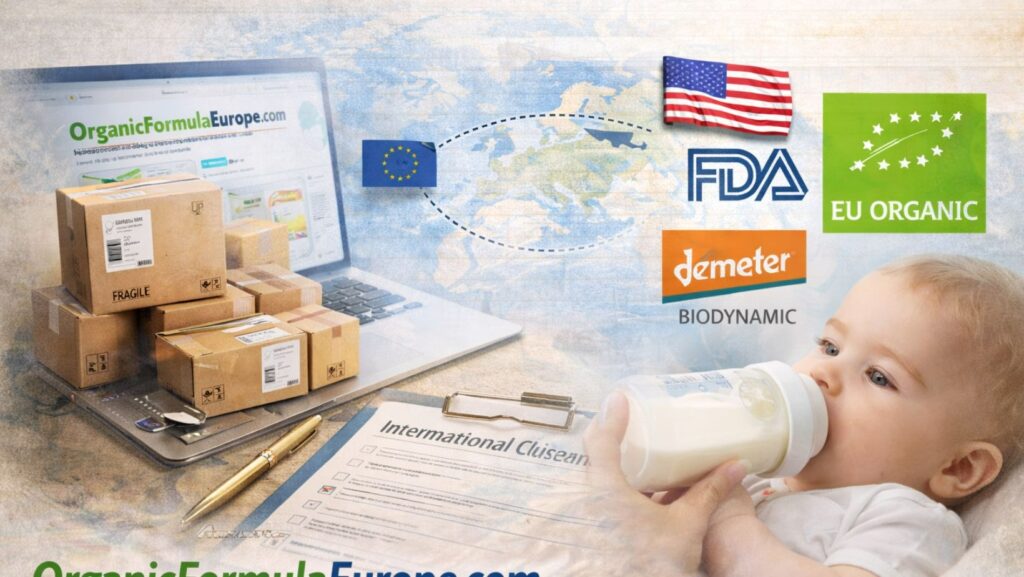
For parents who prioritize agricultural transparency, these distinctions often carry symbolic weight, even when nutritional outcomes remain comparable across jurisdictions.
Conscious Consumerism in Parenting
The broader trend of conscious consumerism extends beyond infant formula. Many parents now apply sustainability principles to clothing, household goods, and dietary choices.
Organic agriculture is often associated with:
- Reduced synthetic pesticide usage
- Soil conservation practices
- Restrictions on GMOs
- Greater emphasis on animal welfare
Whether driven by environmental concerns, personal philosophy, or perceived ingredient simplicity, these considerations influence purchasing decisions.
OrganicFormulaEurope operates within this framework of conscious consumption by focusing specifically on European-certified organic formula brands.
Digital Platforms and Niche Specialization
E-commerce has transformed access to international goods. Instead of relying on local availability, consumers now search globally.
Unlike large-scale online marketplaces offering thousands of unrelated products, niche-focused platforms curate specific categories. This specialization allows for detailed product explanations, stage categorization, and customer education.
OrganicFormulaEurope represents this curated approach, concentrating on European organic infant formula brands rather than diversifying into unrelated categories. The platform functions as an access point for families interested in exploring European-certified options.
Regulatory Considerations for U.S. Families
It is essential to recognize that imported infant formula may not carry FDA labeling registration for U.S. distribution. This does not automatically indicate safety concerns, but it reflects differences in jurisdictional approval processes.
Parents considering imported products are generally encouraged to:
- Consult pediatric healthcare providers
- Carefully review preparation instructions
- Ensure proper measurement conversions
- Understand storage guidelines
Infant feeding decisions remain medically significant and should be approached with professional guidance.
The Role of Trust in Infant Nutrition
Trust plays a central role in consumer decision-making. In the context of infant formula, trust is shaped by:
- Regulatory oversight
- Brand transparency
- Ingredient familiarity
- Community experiences
Online parenting forums and discussion groups frequently analyze ingredient lists in granular detail. These conversations, while not scientific consensus, contribute to the perception of certain products.
The increasing availability of international products has amplified these discussions, allowing families to compare standards across borders.
Sustainability and Ethical Agriculture
European organic certification frameworks incorporate environmental sustainability requirements that resonate with environmentally conscious consumers.
Some certifications, such as Demeter biodynamic standards, include holistic agricultural principles emphasizing soil regeneration and integrated farming systems.
While sustainability metrics can be complex and difficult to quantify at the consumer level, the symbolic value of these certifications influences purchasing behavior.
Supply Chain Transparency
Cross-border shipping of infant formula requires logistical planning, including:
- Controlled storage conditions
- Efficient customs clearance
- Inventory management to ensure freshness
- Clear expiration labeling
Specialized distributors must maintain systems that preserve product integrity throughout transit.
OrganicFormulaEurope, like other niche distributors in this category, focuses on structured sourcing and shipment coordination designed for international customers.
Parenting in the Information Age
The rise of information accessibility has altered parental psychology. Rather than accepting products passively, many families now feel a responsibility to conduct independent research.
This research often includes:
- Reading regulatory documentation
- Comparing ingredient lists
- Evaluating agricultural practices
- Consulting healthcare professionals
The internet has democratized access to this information, enabling families to make decisions that align with personal values.
Cultural Dimensions of Infant Feeding
Infant feeding practices vary globally, influenced by cultural norms and healthcare systems. European and American markets reflect these differences in packaging, stage labeling, and ingredient emphasis.
The presence of stage-based labeling (e.g., Stage 1, Stage 2, Stage 3) in European systems corresponds to developmental phases. Understanding these systems requires attention to preparation instructions and professional guidance.
Economic Considerations
International purchasing introduces cost variables including:
- Shipping fees
- Currency fluctuations
- Customs duties
- Supply chain timelines
These economic factors influence accessibility and long-term sustainability of cross-border purchasing habits.
Risk Awareness and Balanced Decision-Making
While online communities often promote strong opinions regarding formula brands, balanced decision-making requires nuanced evaluation.
There is no universal solution suitable for every infant. Factors such as allergies, digestive sensitivities, and pediatric recommendations must guide feeding choices.
Parents exploring international options are encouraged to weigh regulatory differences carefully rather than assume superiority based solely on origin.
The Broader Trend: Globalized Infant Nutrition
The growing interest in European organic formula reflects broader globalization trends in consumer markets. As information flows freely across borders, product access increasingly follows.
Digital platforms like OrganicFormulaEurope operate within this context, responding to consumer demand for curated access to specific international categories.
This phenomenon illustrates how digital commerce intersects with parental research culture and regulatory awareness.
Conclusion
The evolving landscape of infant nutrition highlights a broader societal shift toward conscious consumption, regulatory awareness, and cross-border accessibility.
European organic infant formula has attracted attention among U.S. families due to differences in agricultural standards, ingredient transparency, and labeling conventions. Platforms such as OrganicFormulaEurope exemplify how niche digital distribution models adapt to this interest by providing structured access to curated European-certified products.
Ultimately, infant feeding decisions remain deeply personal and medically significant. The expansion of global access does not eliminate the need for professional guidance. Instead, it reflects the increasing complexity of modern parenting, where information, regulation, and personal values intersect in shaping everyday choices.


Why Internal Linking Matters for Website SEO

Leading AI Video Generators for Creators in 2026

Optima Tax Relief Explains What an IRS Audit Lawyer Does and How They Protect You

The Physiology of Good Decisions: How Damian Creamer Manages Energy, Not Just Time

Easy Ways to Organize and Work With Digital Documents

Practical Ways to Turn Motivation into Consistent Habits

Why the Headline Price Rarely Tells You the True Cost of a Major Financial Decision

Where to Find Personal Finance Content on BetterThisWorld.com

BetterThisWorld.com: A Guide to Entrepreneurship, Finance, Motivation, and Lifestyle Content
