
12 White-Label Payment Platforms Helping SaaS and Fintech Scale Faster

The payments landscape has never moved faster — and for SaaS companies, fintechs, and payment service providers, building proprietary infrastructure from scratch is no longer the only path to market. Today, a growing ecosystem of white label payment solutions allows businesses to launch branded, full-featured payment capabilities in weeks rather than years. Below are twelve platforms that are making that possible.
1. Akurateco
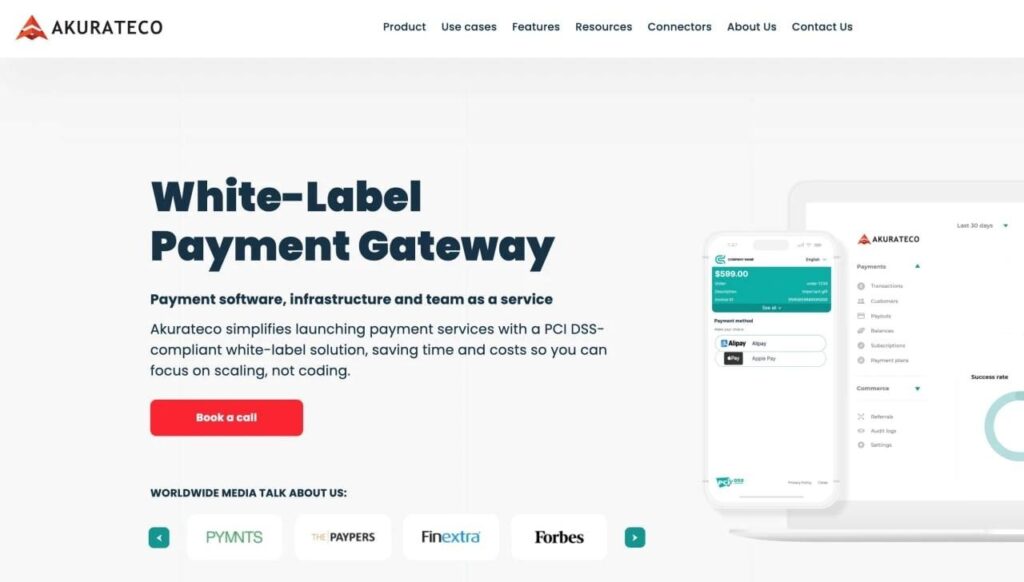
Akurateco is a fully brandable white-label payment gateway built for payment service providers, banks, acquirers, marketplaces, and online businesses looking to launch or upgrade their payment infrastructure without heavy upfront development costs. Rather than selling a SaaS tool and leaving clients to figure out the rest, Akurateco operates on a “Payment Team as a Service” model — meaning clients get not just the software but a dedicated team with 15+ years of hands-on payments industry experience handling routing configuration, compliance, and technical support.
The platform covers the full payment stack: intelligent transaction routing and cascading, comprehensive analytics, a smart billing module, tokenization, recurring payments, anti-fraud tools with third-party integrations, and a merchant management system. Akurateco connects to 600+ ready-to-use payment connectors and supports Mastercard, Visa, Google Pay, Apple Pay, PayPal, Klarna, Adyen, and dozens of regional processors. Clients can go live in as little as two weeks, with PCI DSS compliance built in from day one. The platform is available both as a SaaS deployment and as an on-premise or dedicated cloud installation for businesses that require full infrastructure control.
2. Rapyd
Rapyd is a global fintech-as-a-service platform that enables businesses to embed payment acceptance, disbursements, and wallets into their products through a unified API. Its network spans over 100 countries and supports hundreds of local payment methods, making it particularly attractive for companies targeting emerging markets where card penetration is low and alternative payment preferences vary widely.
Beyond simple payment collection, Rapyd offers capabilities including multi-currency wallets, card issuing, and compliance infrastructure. For SaaS platforms and marketplaces, this means being able to offer localized checkout and payout experiences without integrating dozens of separate providers. The breadth of Rapyd’s coverage is its primary differentiator, though companies seeking deep white-label branding control or acquirer-level customization may need to supplement it with additional tooling.

3. Spell
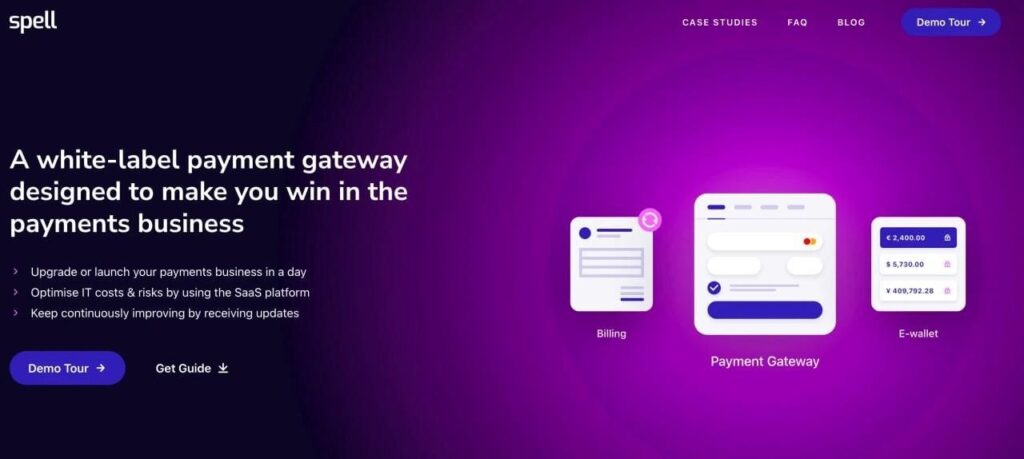
Spell is a white-label payment orchestration platform designed for payment service providers and ISOs that want to offer their merchants a polished, branded experience. The platform provides a merchant portal, transaction management, analytics, and chargeback handling — all under the PSP’s own brand rather than Spell’s.
What sets Spell apart is its focus on the operational layer of running a PSP business. It includes tools for merchant onboarding, fee configuration, and settlement management, reducing the manual overhead that typically burdens payment operations teams. For smaller PSPs looking to professionalize their merchant-facing infrastructure without building custom software, Spell provides a relatively quick path to a credible, scalable product.
4. Paydock
Paydock is a payment orchestration platform that sits between merchants and their payment service providers, allowing businesses to connect multiple acquirers, gateways, and fraud tools through a single integration. It is especially popular among mid-market and enterprise merchants that work with several payment providers simultaneously and need a unified control layer.
The platform supports vaulting, routing, subscription billing, and a composable checkout experience. Paydock’s philosophy is one of neutrality — it does not process payments itself but instead optimizes how existing payment relationships are managed. For SaaS companies building payment infrastructure for their own clients, this orchestration-first approach can dramatically reduce the complexity of managing multi-provider environments.

5. CellPoint Digital
CellPoint Digital specializes in payment orchestration for the travel and airline industries, a sector with uniquely complex payment requirements including multi-currency settlements, high-value transactions, and strict fraud considerations. Its platform helps airlines and travel companies optimize authorization rates, manage payment costs, and offer a wider range of payment methods to global travelers.
The company’s Velocity platform centralizes payment data across channels and geographies, giving travel businesses visibility and control that is difficult to achieve when payments are siloed by region or booking system. While its vertical focus makes it less relevant for general-purpose SaaS, it is one of the most purpose-built solutions available for travel-sector payment challenges.
6. BridgerPay
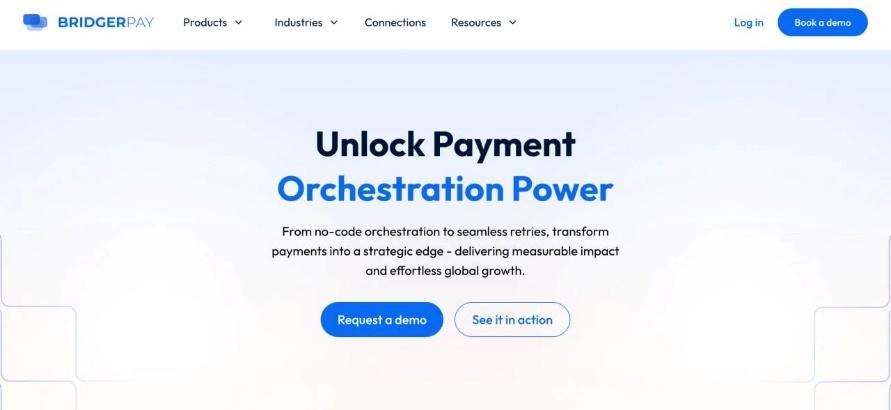
BridgerPay is a cloud-based payment operations platform that enables businesses to connect to a large library of payment service providers through a single integration and route transactions intelligently across them. The platform is designed to be no-code or low-code wherever possible, giving non-technical teams the ability to configure routing rules, retry logic, and payment flows without ongoing developer involvement.
Its routing engine supports automated failover and smart cascading, which helps improve approval rates when one provider declines a transaction. BridgerPay also offers a white-label checkout page that can be branded to match the merchant or platform deploying it. The emphasis on accessibility and operational self-service makes it a practical choice for fast-moving companies that want payment sophistication without a large engineering investment.
7. Spreedly
Spreedly is a payment orchestration platform built around the concept of a universal payments vault. By tokenizing card data in Spreedly’s vault rather than with any individual gateway, businesses retain portability — they can add, switch, or test payment providers without re-collecting sensitive cardholder information or rebuilding integrations.
This architecture is particularly valuable for SaaS platforms and marketplaces that work with multiple gateways across different markets and want to avoid lock-in. Spreedly supports hundreds of payment gateways and has built a strong reputation among engineering teams that need flexibility without sacrificing security. It is not a full-stack PSP solution, but as a foundational orchestration and vaulting layer, it is widely trusted.

8. Gr4vy
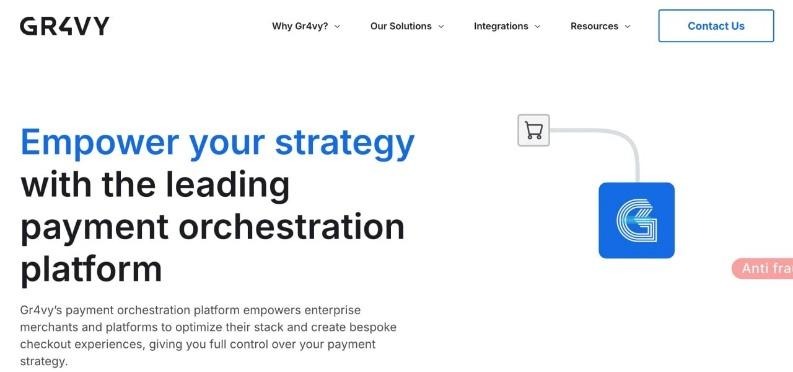
Gr4vy is a cloud-native payment orchestration platform that positions itself around the concept of a “payment infrastructure cloud.” Its architecture is designed to give enterprise merchants full control over their payment stack — routing, vaulting, provider connections, and checkout — without hosting complexity on their own servers.
The platform is notable for its approach to data residency and compliance, offering multi-region deployments that help businesses meet local data sovereignty requirements. For global enterprises where regulatory compliance across jurisdictions is a real operational constraint, Gr4vy’s infrastructure model addresses a genuine pain point. Its no-code workflow builder also allows payment and operations teams to make routing changes without waiting for engineering cycles.
9. DECTA
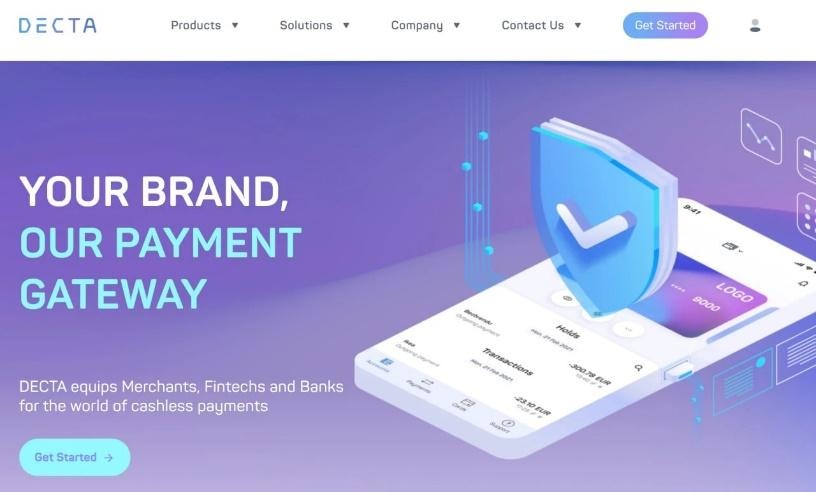
DECTA is a European payment processing and technology company offering white-label payment gateway solutions targeted primarily at acquirers, PSPs, and financial institutions. The company provides both the software infrastructure and, in some markets, direct processing capabilities, making it a hybrid option for businesses that want both technology and connectivity from a single vendor.
DECTA’s platform covers merchant management, payment page customization, anti-fraud tooling, and reporting. Its European roots give it particular strength in navigating PSD2, strong customer authentication requirements, and regional compliance. For businesses building or expanding a payment business within the European market, DECTA’s combination of regulatory familiarity and white-label flexibility makes it a credible contender.
10. Ikajo
Ikajo is a white-label payment gateway provider offering technology for PSPs and businesses that want to launch branded card processing capabilities. The platform includes a merchant management system, payment routing, cascading, and risk management tools, with coverage across multiple payment methods and geographies.
Ikajo positions itself toward companies entering markets in Europe, Asia, and Latin America that need a functional, deployable white-label stack without the timeline and cost associated with building one. It maintains a library of pre-integrated payment connectors that reduces the time needed to expand into new regions and markets after initial launch.
11. Payrails
Payrails is a payments infrastructure platform designed for enterprise companies and marketplaces that need granular control over complex, multi-entity payment flows. Founded by former Delivery Hero payment executives, it brings deep operational experience to the problem of orchestrating payments across large, multi-market platforms where reconciliation, payouts, and compliance requirements intersect.
The platform handles payment acceptance, intelligent routing, payout orchestration, and financial operations management through a single system. Payrails is particularly well suited for companies operating marketplace or platform models where funds move between multiple parties — merchants, riders, sellers, or service providers — and where getting that coordination wrong creates real financial and regulatory exposure.

12. Payrails
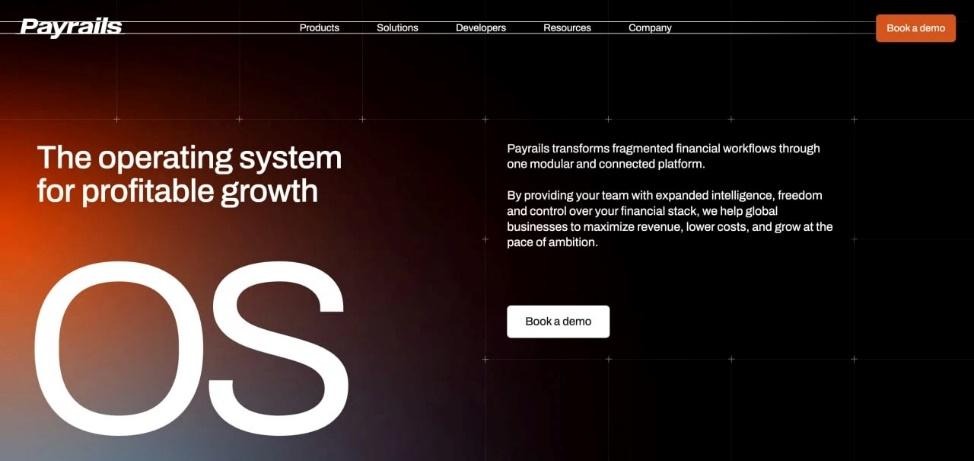
Payrails describes itself as the operating system for profitable growth, positioning its platform as a unified layer that transforms fragmented financial workflows into a single modular and connected system. The company targets global businesses that are dealing with the complexity of managing multiple disconnected payment tools, banking relationships, and financial operations across different markets.
Its platform is built around the idea of giving finance and payment teams expanded intelligence, freedom, and control over their financial stack — with the goal of maximizing revenue and lowering costs simultaneously. Rather than replacing specific payment providers, Payrails connects and orchestrates them, adding a decision and data layer on top of existing infrastructure. For scaling SaaS companies and global platforms where financial operations have grown too complex to manage manually, Payrails offers a way to bring order to that complexity without rebuilding from scratch.
Conclusions
The right choice among these platforms depends heavily on business model, target geography, technical resources, and how much control a company wants over its payment infrastructure. For businesses building a PSP from the ground up or migrating from legacy infrastructure, a full-stack white-label solution like Akurateco — with its built-in team support, 600+ connectors, and rapid deployment timeline — offers one of the most complete starting points available. For those focused on orchestration, vaulting, or specific verticals, platforms like Spreedly, Gr4vy, or CellPoint Digital address more targeted needs. Evaluating these options on total cost, compliance readiness, and the depth of support on offer will be the key factors in making the right long-term decision.


The Silent Guardian: How AI is Redefining Safety in the Digital Wagering Era

The Rise of Local Football Leagues in Somalia: How the Somali Premier League Is Quietly Rewriting the Nation’s Story

10 Essential Books to Understand the Comfort Women Issue: A Comprehensive Reading Guide

The Ways That People Can Start Playing Online Bingo

Crypto: The New Digital Scam for the Working Class

Baby Travel Checklist 2026: Short Trips & Long Journeys in India

Taking the Lead with Your Healthcare: Telehealth Benefits for Rural Australians

What a Professional Furnace Inspection Includes

From Rinks to Revenue: How Canadian Sports Venues Build Data Businesses
