
BetterThisWorld Money Resources You Shouldn’t Miss

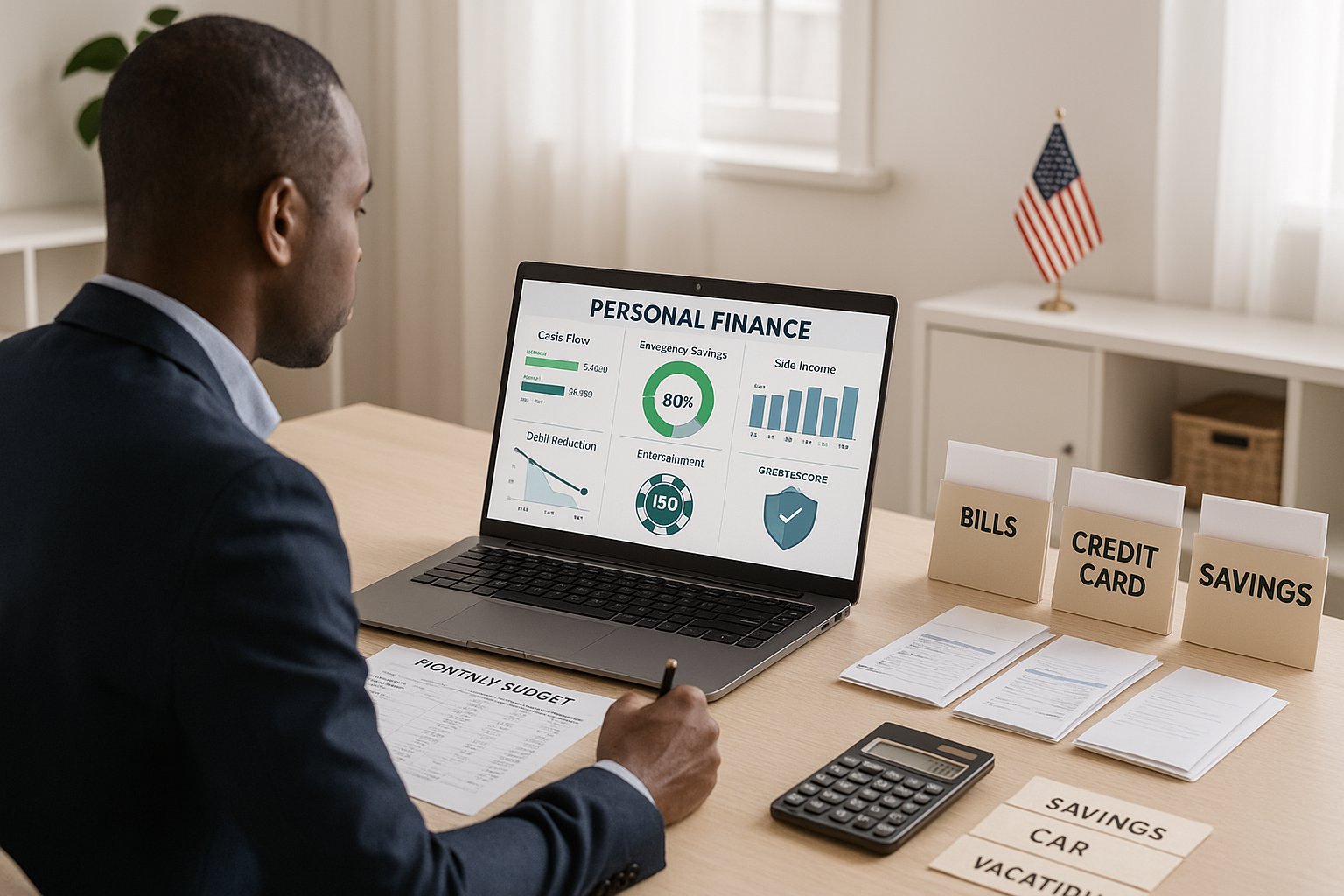
BetterThisWorld Money resources help readers make deliberate choices about budgeting, saving, earning, borrowing, and gambling. The strongest guides do not promise instant wealth. They show how daily decisions shape long-term financial stability.
This list covers five resource groups that support smarter financial decisions. Each group answers a practical need, from controlling monthly cash flow to setting firm casino spending limits. Together, these resources form a simple system: understand the numbers, protect essential money, build reserves, increase income, and treat gambling only as paid entertainment.
Key Takeaways
- BetterThisWorld Money resources emphasize creating a written budget to control cash flow and provide clear insight into income and expenses.
- Setting precise savings goals and prioritizing an emergency fund help prevent debt and manage irregular expenses effectively.
- Tracking all income streams accurately, including side hustles, ensures additional earnings support financial goals rather than lifestyle inflation.
- Managing debt with methods like the avalanche or snowball, combined with routine credit checks, protects long-term financial health.
- Treat gambling strictly as entertainment with preset spending and time limits to avoid risking essential finances and seek help if gambling feels uncontrollable.
1. Budgeting Guides for Taking Control of Your Cash Flow
A written budget shows exactly where money enters, where it leaves, and what remains. Without that view, a person may feel financially secure on payday and face an empty account 12 days later.
BetterThisWorld Money budgeting starts with four clear actions:
- List monthly take-home income from every source.
- Record fixed bills, such as rent, insurance, and loan payments.
- Estimate variable costs, including food, fuel, and utilities.
- Subtract all expenses from total income.
A negative result requires immediate changes. A positive result gives the household money to assign to savings, debt, or planned purchases. The monthly budgeting process also requires regular reviews because prices, bills, and income can change.
The 50/30/20 framework can provide a starting point: 50% for needs, 30% for wants, and 20% for savings and extra debt payments. These percentages are guidelines, not laws. High housing costs may make them unrealistic.
Accurate tracking matters more than a perfect template. A person who forgets three $18 lunches understates monthly spending by $54. The budget tracking guidance explains how comparing actual spending with planned spending can expose these small but persistent gaps.
2. Saving Strategies for Short- and Long-Term Goals
A savings goal works best when it has a precise amount, purpose, and deadline. “Save more” gives a person no finish line. “Save $1,200 for car repairs within 12 months” creates a clear monthly target of $100.
BetterThisWorld Money saving strategies place an emergency fund before optional goals. Even a modest reserve can prevent a damaged tire, medical copay, or urgent flight from becoming credit card debt. The final emergency-fund target depends on job stability, household obligations, insurance, and essential monthly costs.
Sinking funds handle predictable but irregular expenses. If annual vehicle registration costs $240, setting aside $20 each month turns one painful bill into 12 manageable deposits. This method also works for holiday gifts, school supplies, home repairs, and insurance premiums.
The pay-yourself-first approach moves savings immediately after income arrives. Automatic transfers reduce the chance that discretionary spending will consume the money. Readers exploring BetterThisWorld Money can connect these saving habits with purposeful ways to use cash.
Long-term savers may also study sustainable investments. But, they should separate emergency cash from investments that can lose value. Money needed next month should not depend on tomorrow’s market price.
3. Income and Side-Hustle Resources for Earning More
Extra income creates progress only when the earner assigns it a job. An unplanned $300 freelance payment can disappear through several small purchases. The same $300 can complete an emergency fund, reduce a card balance, or cover a planned repair.
BetterThisWorld Money income resources encourage readers to record every revenue stream, including wages, freelance payments, tips, interest, dividends, and rental income. They should use net income, the amount available after taxes and business costs, rather than headline revenue.
A side hustle also needs a basic profit test. A delivery worker who earns $160 but spends $45 on fuel and parking has not made $160. Vehicle wear and taxes reduce the result further. Honest accounting can reveal that a busy evening produced little usable income.
Before choosing extra work, a person should compare:
- Expected net hourly earnings
- Setup costs and recurring expenses
- Available time and energy
- Tax and recordkeeping duties
- Demand for the skill or service
Short daily money tips can support consistent habits, while a weekly positive-action resource may help readers review broader goals. BetterThisWorld Money works best when additional income supports a written cash-flow plan instead of financing automatic lifestyle expansion.
4. Debt, Credit, and Financial Protection Explainers
Debt becomes easier to manage when every balance, rate, minimum payment, and due date appears in one place. Avoiding the statements may reduce anxiety for one evening, but it usually increases the long-term cost.
BetterThisWorld Money debt resources should explain two common repayment methods. The avalanche method directs extra money toward the highest interest rate, which can reduce total interest. The snowball method targets the smallest balance first, which can deliver faster emotional wins. Either method still requires minimum payments on every account.
Credit protection also depends on routine checks. A borrower should review statements for unfamiliar charges, protect account passwords, and verify information on credit reports. Late payments can trigger fees and may harm credit history. Automatic minimum payments can provide a safety net, but they do not replace statement reviews.
Reliable personal finance education can clarify concepts such as compound interest, credit utilization, insurance, and investment risk. BetterThisWorld Money readers can also consider how finances support a better world after essential protections are secure.
One warning matters: debt repayment should not erase every dollar of emergency cash. Without a small buffer, the next urgent expense may return directly to a credit card.
5. Lottery and Casino Money Guides for Informed Decisions
Lottery tickets and casino games are entertainment expenses, not income strategies. Their outcomes depend on chance, and the operator retains a mathematical advantage over time. No betting pattern can convert that built-in disadvantage into reliable earnings.
BetterThisWorld Money gambling guides should explain odds, limits, and risk without presenting play as a route out of debt. A person who needs $800 for rent cannot safely use $200 of that money to pursue a win. Losing creates a larger emergency: winning can encourage a second, riskier bet.
A gambling budget should come only from discretionary money left after housing, food, utilities, transport, minimum debt payments, and planned savings. Readers who want context about site-related financial practices can use this practical money guide to distinguish financial information from promotional claims.
Players should also treat bonuses carefully. Wagering requirements, game restrictions, withdrawal rules, and expiration dates may affect whether promotional funds can become withdrawable cash. The safe response is simple: read the terms before depositing and walk away if the rules are unclear.
Responsible Gambling and Spending Safeguards
Fixed limits protect essential money before excitement alters judgment. A player should decide both a spending cap and a time cap before opening a game or buying a ticket.
Useful safeguards include:
- Keep gambling funds separate from household accounts.
- Never borrow money to gamble.
- Stop when the predetermined loss limit is reached.
- Never chase losses with larger or faster bets.
- Avoid gambling while distressed, intoxicated, or sleep-deprived.
- Use deposit limits, time reminders, cooling-off periods, or self-exclusion tools when available.
A practical example shows the difference. If a person sets a $25 entertainment limit, losing that amount ends the session. Adding another $25 to “get even” breaks the plan and doubles the damage. That second deposit often feels like recovery, but it is simply another risk.
BetterThisWorld Money principles place financial safety above play. Anyone who hides gambling activity, misses bills, borrows to continue, or feels unable to stop should pause immediately and seek qualified support. The responsible choice may be not to gamble at all.
Conclusion
BetterThisWorld Money resources are most useful when they operate as one system. A clear budget controls cash flow, savings absorb shocks, additional income speeds progress, and credit safeguards reduce costly mistakes. Gambling limits protect that work from unnecessary risk. Readers should begin with one written monthly budget, review it after 30 days, and make the next decision from real numbers, not hope.


Why Internal Linking Matters for Website SEO

Leading AI Video Generators for Creators in 2026

Optima Tax Relief Explains What an IRS Audit Lawyer Does and How They Protect You

The Physiology of Good Decisions: How Damian Creamer Manages Energy, Not Just Time

Easy Ways to Organize and Work With Digital Documents

Practical Ways to Turn Motivation into Consistent Habits

Why the Headline Price Rarely Tells You the True Cost of a Major Financial Decision

Where to Find Personal Finance Content on BetterThisWorld.com

How Entrepreneurs Can Evaluate Online Business Advice
