
The Anatomy of a Boom Lift: What Makes This Portable Aerial Work Platform Efficient

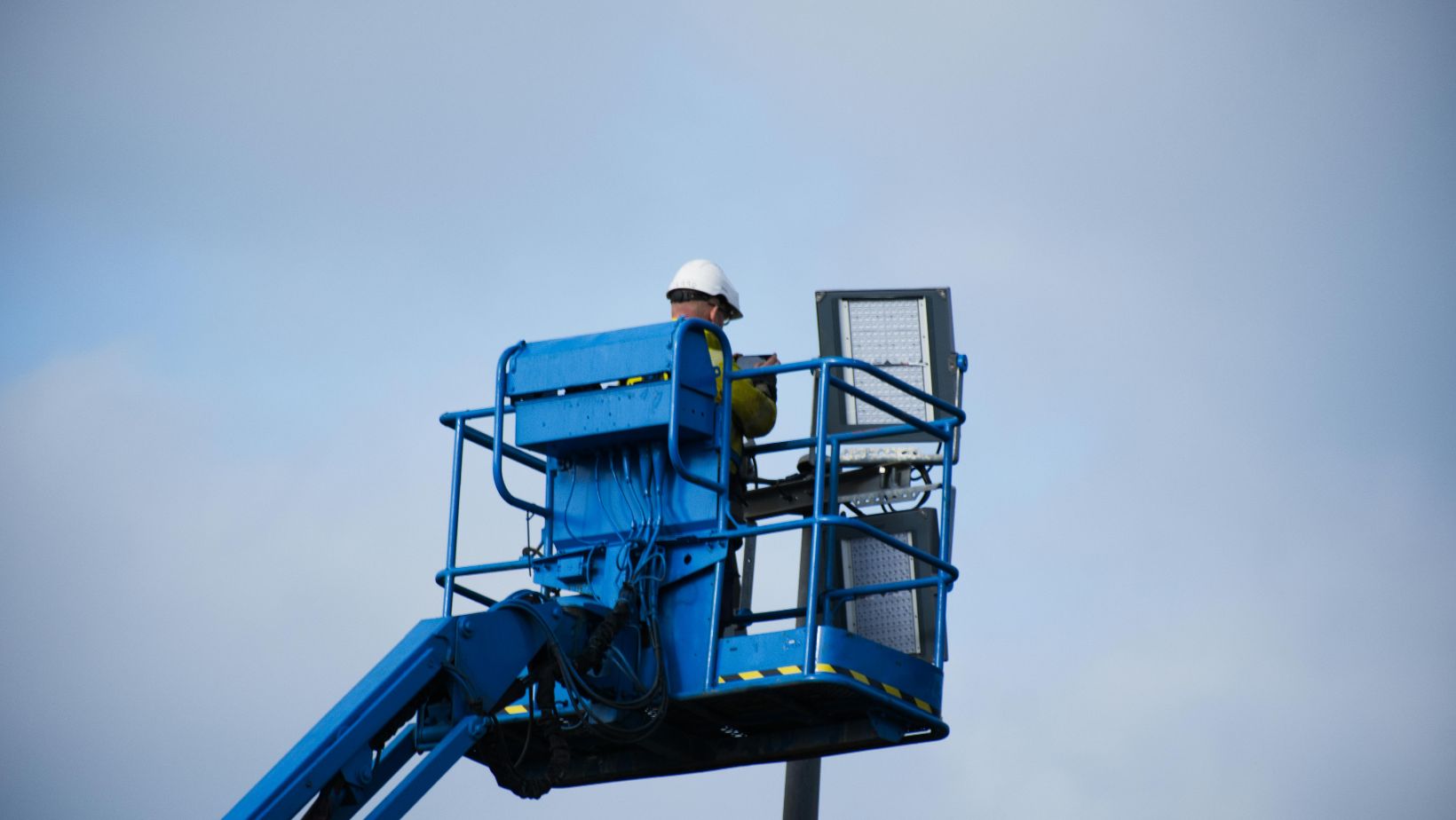
In industrial settings, a range of traditional and modern equipment is used to optimize productivity, cost efficiency, project delivery, and worker safety. Among these options, spotting a portable aerial work platform on a construction, refinery, entertainment, energy, or cruise ship terminal job site is easy. You often see one or two people standing in a bucket or on a platform at a height, surrounded by guardrails, during operational hours. That bucket or platform is raised by a boom or hydraulic arm that extends horizontally or vertically, ensuring worker safety. It’s most likely a boom lift, which can be a diesel or electric model. Today, boom lifts are widely used across North America to handle elevation work, where navigating heights and obstacles remains an integral part of construction, maintenance, or repair processes.
If you are also looking for an aerial lift, such as a truck-mounted boom lift, understanding its structural features and components is important. It will give you clarity about its strengths and limitations. At the same time, you can plan to improve an existing unit’s functionality for your project.
Structural components of a boom lift
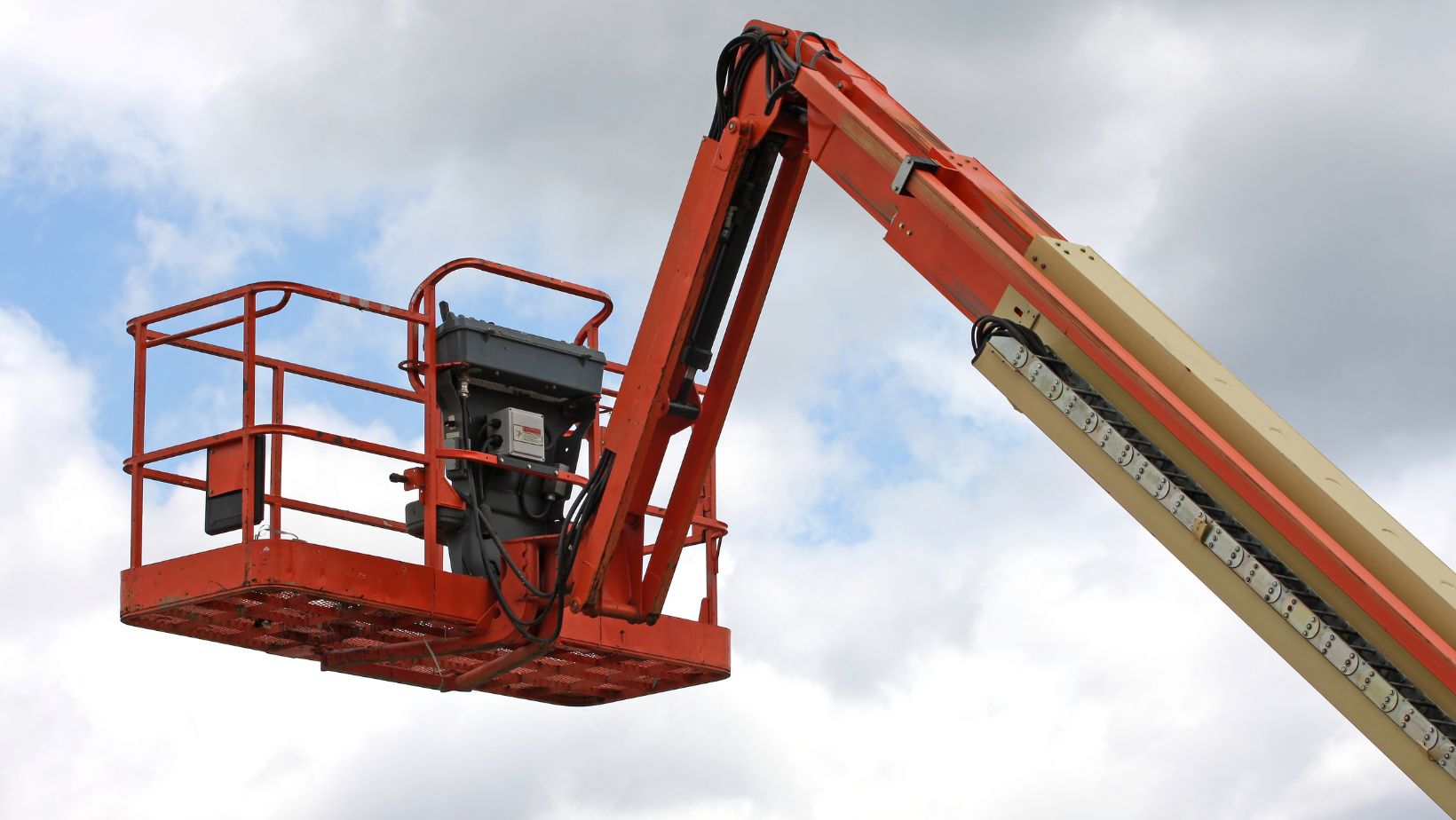
It can be a telescopic or articulated boom lift powered by diesel or electric motors. These lifts can have varying reach, typically 150 ft to 300 ft. Articulated lifts usually offer greater outreach. However, they may still share some common components and physical features. Understanding these components is crucial for analyzing their efficiency and suitability for a project. Every boom lift features wheels, axles, and a steering system in the base that move the lift and help position it. The operator platform and lift are supported by a frame called the chassis. The boom is the extendable arm of the aerial work platform that determines its outreach capacity. It can be a steel structure with hydraulic cylinders to regulate the boom’s movement.
The steel platform serves as the work area for the operators and can be equipped with controls and safety rails. The hydraulic system of the boom lift may include hoses, valves, cylinders, and pumps to ensure smooth operation. Electric models usually run on batteries and have unique controls and wiring systems, while engines are typically found in fuel-based models. Levers, switches, and other components make up the boom lift’s control system. Some boom lift models feature stabilizers, which provide additional support and stability.
Accessories and attachments for a boom lift
When you explore a boom lift, you can see what it includes and what it cannot do. Accordingly, you can make simple arrangements to enhance its utility at your job site. Various attachments and accessories are available to improve the efficiency of these portable aerial lifts. For example, you can use platform extensions to maximize the work surface. Some operators use material-handling arms as attachments when carrying heavy materials at heights. If visibility is low, additional work lights can be added. Heating and cooling systems can also be added when working in extreme conditions. However, these attachments or accessories must be suitable for the specific model you are using.
Sites like https://www.bladeplatforms.com/ offer various styles of portable aerial work platforms. You can review your options before renting, leasing, or buying a particular unit.


How Gambling Hubs Draw 540M Tourists in 2025. Which direction works best?

Why the Crypto Dream is Finally Starting to Feel Like Real Freedom

5 Tips to Keep Your Workspace More Organized and Productive

9 Tips To Conquer Acne on National No Makeup Day

Achieving Business Growth Harnessing the Power of Technology for Innovation and Expansion

From Rinks to Revenue: How Canadian Sports Venues Build Data Businesses

The SUV Owner’s Handbook: Balancing Performance with the Right Insurance Cost

The Complete Guide to Instant Boiling Water in 2026

Global Economic Interconnectivity: What Major Employment Shifts Mean for Personal Financial Stability
