
The Psychology of Play: How Structured Play Enhances Well-Being and Mental Flexibility


Modern life places a premium on efficiency. Schedules are optimized, habits are tracked, and productivity is often treated as the main measure of success. In that environment, play is easy to overlook or dismiss as something optional. Yet for many people exploring healthier ways to balance ambition with well-being, structured play has emerged as an unexpected ally. My own interest in this idea deepened after spending time on the Playiro official site, where play is framed as an intentional, repeatable part of daily life rather than a distraction from it.
Play, when approached thoughtfully, does not compete with focus or discipline. Instead, it supports them. By engaging the mind in low-pressure challenges and creative scenarios, structured play creates conditions where mental flexibility, emotional regulation, and long-term well-being can quietly strengthen.
What Psychologists Mean by “Play”
In psychological terms, play is not defined by age or by toys. It is characterized by voluntary participation, intrinsic motivation, and a sense of exploration. Structured play adds a light framework to this experience, offering boundaries or prompts that guide engagement without dictating outcomes.
This combination of freedom and structure is what makes play so effective for the mind. Too much structure can feel rigid and draining, while too little can feel aimless. Structured play sits in the middle, encouraging experimentation within a safe, contained space. This balance mirrors many of the cognitive challenges people face in real life, where adaptability matters more than rigid control.
Mental Flexibility and Adaptive Thinking
Mental flexibility refers to the ability to shift perspectives, adapt strategies, and respond constructively to change. It is a skill closely linked to problem-solving, emotional resilience, and creativity. Structured play exercises this skill naturally.
Games and playful challenges often require players to revise assumptions, respond to unexpected developments, and think several steps ahead. Because the stakes are low, the brain is free to experiment. Mistakes are informative rather than threatening. Over time, this pattern trains the mind to view change as manageable, even interesting, instead of stressful.
This effect is especially valuable in adulthood, when routines can become rigid and thinking patterns entrenched. Play interrupts autopilot behavior and reintroduces novelty, helping the brain remain flexible and responsive.
Emotional Regulation Through Low-Pressure Engagement
One of the play’s lesser-discussed benefits is its impact on emotional regulation. During play, emotions surface in a contained environment. Excitement, frustration, anticipation, and disappointment all appear, but within clear boundaries that prevent overwhelm.
Because play is voluntary and temporary, it offers repeated opportunities to experience emotional shifts without lasting consequences. This repetition builds emotional literacy. Players learn how it feels to recover from frustration, manage impatience, or celebrate success without excess. These skills transfer quietly into daily life, influencing how people respond to work stress, interpersonal conflict, and uncertainty.
Research summarized by the American Psychological Association highlights that playful engagement supports stress reduction and emotional balance by activating neural pathways associated with reward and relaxation. This reinforces the idea that play is not an escape from emotional work, but a training ground for it.
Why Structure Makes Play Sustainable
Unstructured play often fades from adult life because it feels impractical or hard to initiate. Structure solves this problem. When play is supported by clear formats or prompts, it becomes easier to return to consistently.
Structure also reduces decision fatigue. Instead of asking, “What should I do to relax or recharge?” individuals can step into predefined activities that still leave room for creativity. This predictability lowers resistance and makes play feel compatible with busy schedules.
Importantly, structure does not remove joy. It simply provides an entry point. Once engaged, players often experience a sense of flow, where attention narrows and time feels less rigid. These moments of immersion are strongly associated with improved mood and cognitive clarity.
Play as a Counterbalance to Productivity Culture
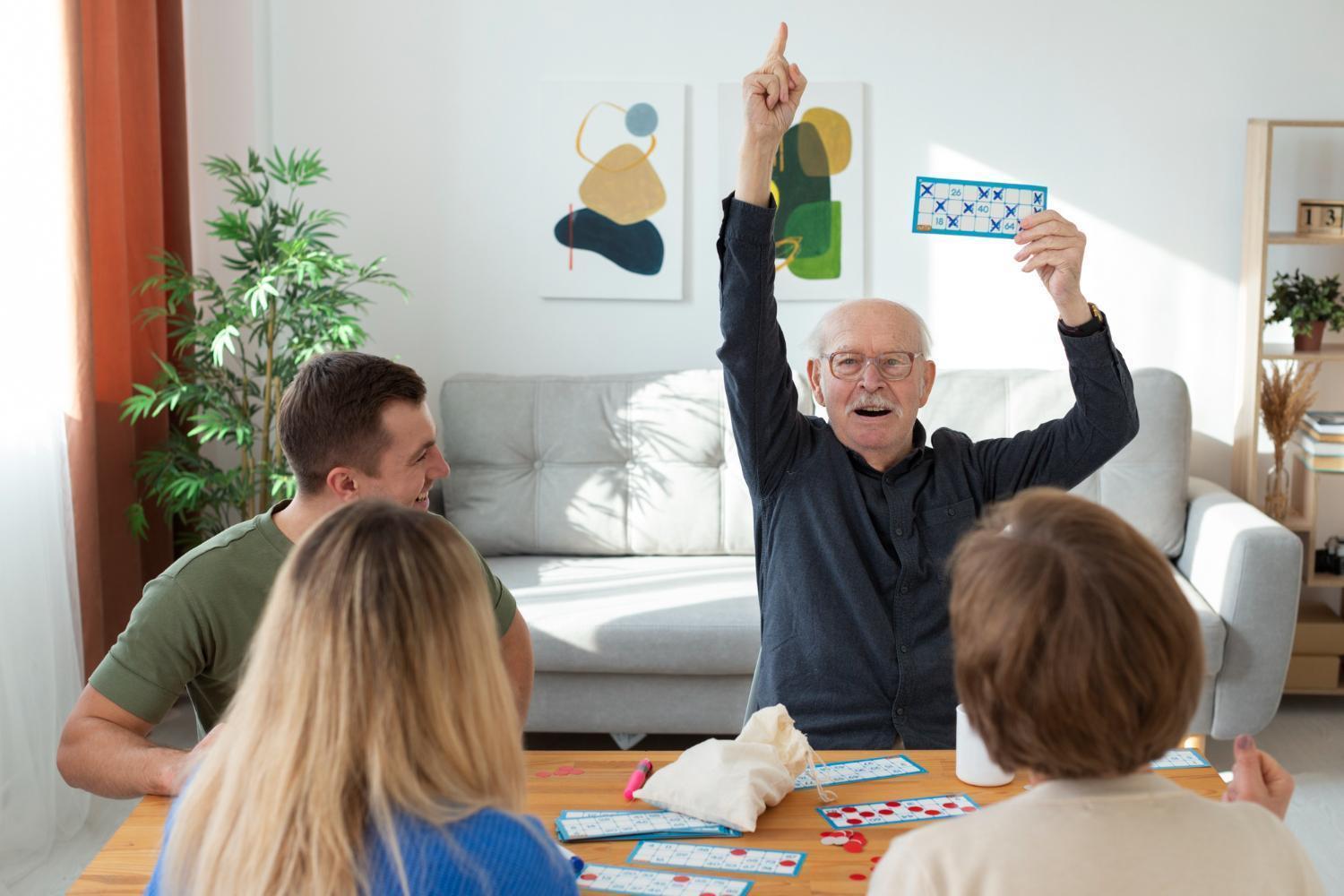
In productivity-driven environments, rest is often framed as recovery from work, rather than a meaningful experience in its own right. Play offers a different model. It is active without being exhausting, engaging without being goal-obsessed.
Structured play can coexist with ambition. Rather than pulling energy away from important pursuits, it often replenishes it. People who incorporate play into their routines frequently report improved focus, renewed motivation, and greater satisfaction with their daily efforts.
This is not accidental. Cognitive science suggests that alternating between focused effort and playful exploration supports learning and prevents burnout. Play introduces variability into mental patterns, keeping the brain engaged and adaptable.
Lifelong Benefits Beyond Childhood
While play is most visible in childhood, its psychological benefits do not disappear with age. Adults who maintain playful habits often show higher levels of creativity, social connection, and emotional resilience. Play provides a space where identity feels less fixed and experimentation feels safe.
In social contexts, structured play can also strengthen relationships. Shared challenges and cooperative goals foster trust and communication without the pressure of formal conversation. These interactions reinforce social bonds and contribute to a sense of belonging.
Integrating Play Into Daily Life
The most effective approach to play is not to wait for large blocks of free time, but to integrate it into existing routines. Short, consistent sessions matter more than occasional grand gestures. Structured play works best when it feels accessible and repeatable.
Over time, these moments accumulate. They reshape how individuals relate to challenge, rest, and creativity. Play becomes less about leisure and more about mental hygiene, supporting both well-being and performance.
A Different Way to Think About Growth
Personal growth is often portrayed as serious, effortful, and linear. Play challenges that narrative. It suggests that growth can also be curious, flexible, and enjoyable. Structured play does not replace discipline or intention; it complements them.
By creating space for experimentation without pressure, play strengthens the very skills that make growth sustainable. Mental flexibility, emotional balance, and resilience develop not through constant effort, but through repeated engagement with experiences that feel meaningful and alive.
In that sense, play is not a break from self-improvement. It is one of its most quietly effective tools.


Why the Crypto Dream is Finally Starting to Feel Like Real Freedom

5 Tips to Keep Your Workspace More Organized and Productive

9 Tips To Conquer Acne on National No Makeup Day

Achieving Business Growth Harnessing the Power of Technology for Innovation and Expansion

Feeling Stuck In Therapy? How to Know If You’re Making Progress, According to BetterHelp

From Rinks to Revenue: How Canadian Sports Venues Build Data Businesses

Erotic Massage in London – A Modern Stress-Recovery Ritual (With Real Videos, Not Guesswork)

The Complete Guide to Instant Boiling Water in 2026

The SUV Owner’s Handbook: Balancing Performance with the Right Insurance Cost
