
6 Crypto Trends for 2026


The conversation around digital assets used to feel like a late-night internet forum argument. People either thought it was the future of finance or the fastest way to lose money before breakfast. Fast forward to 2026 and the tone has changed. Major banks, global regulators, and everyday investors are now paying close attention to what happens next.
Crypto is no longer just about speculative trading or meme coins popping up overnight. The technology is slowly weaving itself into the broader financial system, and that means the trends shaping the next phase look a lot different than the wild early years. Some developments are about stability, others about access, and a few are quietly changing the way people think about ownership, money, and digital infrastructure.
Institutional Investors Continue To Move In
A few years ago, large financial institutions treated crypto like a curiosity. Today, many of them treat it like an asset class that deserves a seat at the table. Major asset managers now offer digital asset funds, and some pension systems are cautiously exploring exposure through diversified portfolios.
Part of the change comes from better infrastructure. Custody platforms have improved security, compliance standards have matured, and regulatory clarity in several countries has reduced uncertainty. Those developments make it easier for traditional investors to participate without feeling like they are stepping into uncharted territory.
At the same time, growing media coverage and financial education have brought more everyday investors into the market. Even people who are new to crypto are finding tools and platforms that explain concepts in plain English rather than technical jargon. That accessibility is expanding the audience far beyond the early adopters who once dominated the space.
Stablecoins Become The Bridge Between Crypto And Everyday Finance
Stablecoins have moved from niche tools to one of the most practical parts of the crypto ecosystem. By pegging their value to traditional currencies such as the U.S. dollar, these digital tokens provide the speed and flexibility of blockchain while avoiding the volatility that makes some cryptocurrencies difficult to use in daily transactions.
Businesses are paying attention. Cross-border payments that once took days can now settle in minutes using blockchain rails. For global companies that operate across multiple currencies, that efficiency translates into real cost savings.
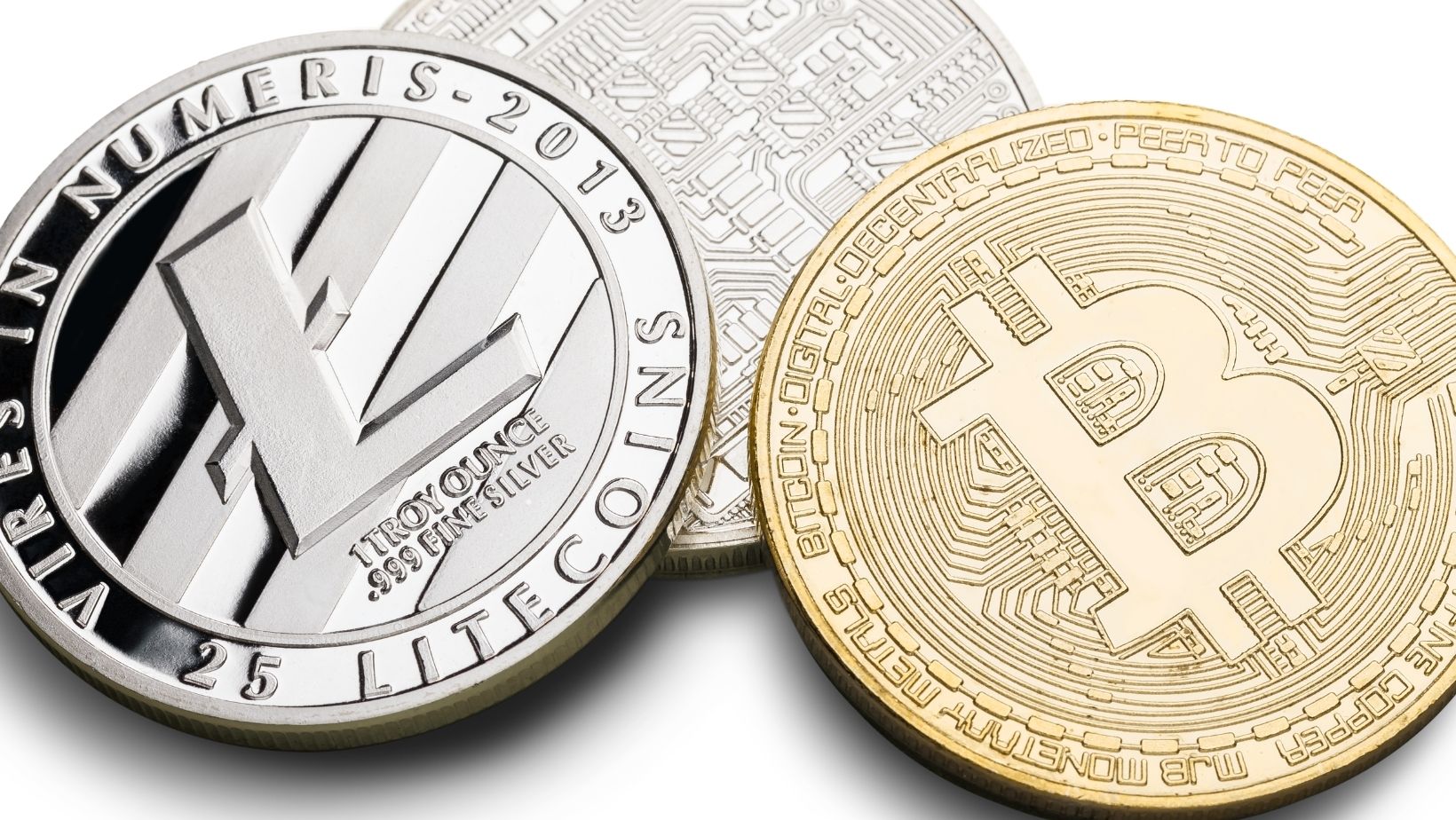
Governments are also exploring how stablecoins might coexist with central bank digital currencies. While the regulatory debate continues, the underlying technology has already proven its usefulness in global finance.
Tokenized Assets Begin To Reshape Investing
One of the most talked about developments heading into 2026 involves the tokenization of real world assets. Real estate, art, and even pieces of infrastructure can now be represented as digital tokens on a blockchain. That approach allows assets that were traditionally difficult to divide or trade to become far more accessible.
For investors, tokenization introduces new flexibility. Instead of purchasing an entire property or a large stake in a fund, individuals can buy smaller fractions represented by blockchain tokens. This model is attracting attention from platforms that focus on crypto investment opportunities tied to tangible assets rather than purely digital currencies.
The concept is still evolving, but it has the potential to change how markets operate. Liquidity increases, barriers to entry decrease, and ownership records become easier to verify.
Regulation Starts To Catch Up With Innovation
For years, the biggest criticism of crypto revolved around uncertainty. Different countries applied different rules, and in some places the regulatory framework barely existed at all. That environment created confusion for companies and investors alike.
Now regulators are beginning to establish clearer guidelines. The European Union, parts of Asia, and several North American jurisdictions have introduced more defined policies that address exchanges, custody services, and consumer protection.
While regulation often sparks debate in the crypto community, it can also provide legitimacy. Clear rules help companies build long-term strategies and give investors more confidence in the markets they are entering.
Artificial Intelligence And Blockchain Begin To Intersect
Artificial intelligence has become one of the most influential technologies of the decade, and it is starting to intersect with blockchain in interesting ways. Developers are exploring systems where AI models interact with decentralized networks to verify data, automate contracts, or even manage digital marketplaces.
For example, decentralized AI marketplaces allow developers to share models or datasets using blockchain-based payment systems. That structure creates transparency around usage and compensation while removing some of the middlemen that traditionally manage data exchanges.
The combination of AI and blockchain is still in its early days, but the potential applications stretch across finance, logistics, and digital identity management.
Crypto Infrastructure Finally Becomes User-Friendly
For a long time, crypto required a steep learning curve. Wallet addresses looked like random strings of characters, and losing a private key could mean losing access to funds forever. Those hurdles scared off many potential users.
In 2026, developers are focusing heavily on usability. Wallet interfaces now resemble modern banking apps, security systems use multiple recovery options, and blockchain networks are becoming faster and cheaper to use.
These improvements matter because technology only becomes mainstream when people can use it without feeling like they need a computer science degree. The smoother the experience becomes, the more likely crypto is to reach audiences far beyond the tech community.
Crypto has reached a point where the conversation is less about hype and more about integration. Digital assets are steadily moving into mainstream finance, not as a replacement for traditional systems but as an additional layer that offers speed, transparency, and new forms of ownership.


How Gambling Hubs Draw 540M Tourists in 2025. Which direction works best?

Why the Crypto Dream is Finally Starting to Feel Like Real Freedom

5 Tips to Keep Your Workspace More Organized and Productive

9 Tips To Conquer Acne on National No Makeup Day

Achieving Business Growth Harnessing the Power of Technology for Innovation and Expansion

From Rinks to Revenue: How Canadian Sports Venues Build Data Businesses

The Complete Guide to Instant Boiling Water in 2026

How to Maximize Your Twitch Subscription Value

Looking For An Exclusive Limousine In Miami? Meet The Ideal Limousine Service In The City!
