
Prepaid Cards vs. E-Wallets: Which Payment Method Offers Better Privacy? Prepaid Debit Cards vs. Digital Wallets: The Battle for the Future of Small-Dollar Transactions

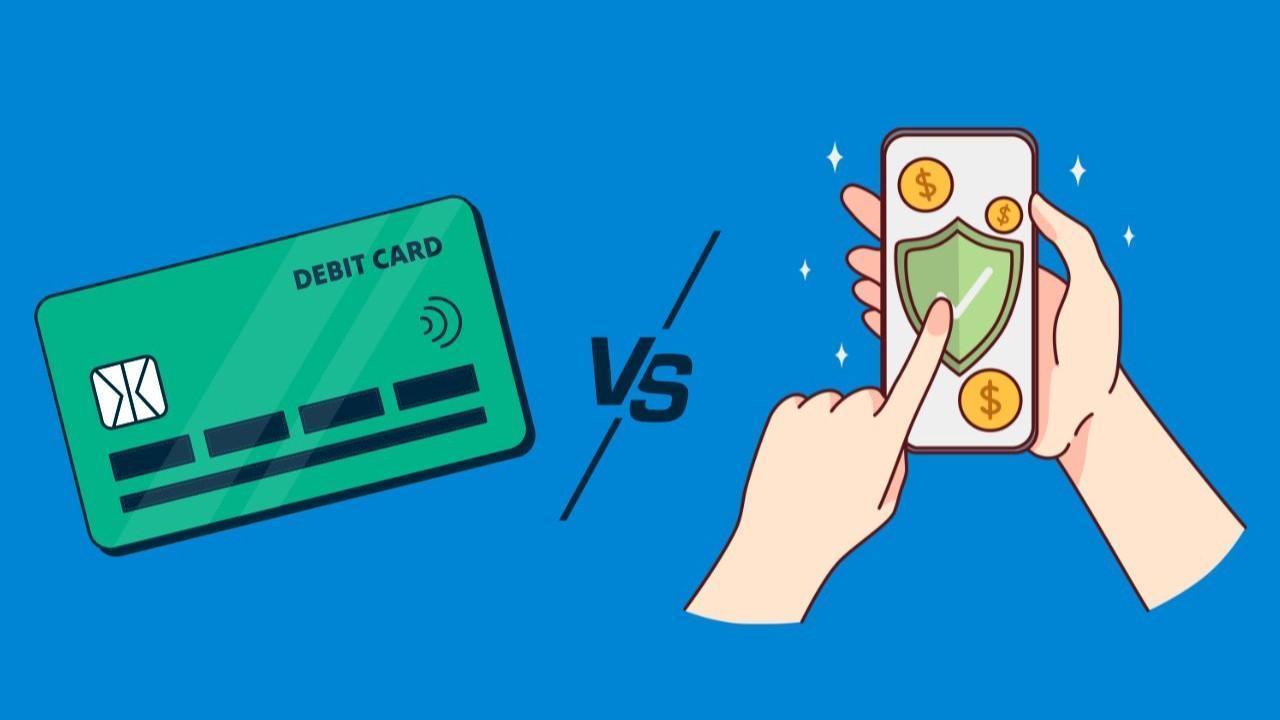
Most of us pick a payment method in about four seconds. Someone finds a promo through https://casinobonusesfinder.ca/type/inclave-casinos-no-deposit-bonus/, signs up, reaches the cashier page and taps whatever card is already saved in the browser. Fair enough. But that quick tap decides who keeps a record of your spending and for how long. Prepaid cards and e-wallets are the two options people compare most, and they protect you in very different ways.
Prepaid cards: less exposure, not zero exposure
The big plus is simple. A prepaid card holds only the money you put on it, so it never touches your bank account. If a merchant gets hacked, the thief walks away with a card number and whatever balance is left, which might be thirty bucks.
The “anonymous” label is where people get tripped up. Reloadable cards usually ask for ID, and in Canada prepaid products sit under anti-money-laundering rules, so providers have to know who you are. The closest thing to anonymous is a store-bought card paid for in cash. Those are usually capped, can’t be topped up, and some sites simply refuse them.
E-wallets: a buffer with a catch
PayPal, Skrill, Neteller, Apple Pay and Google Pay all stand between you and the merchant. The site often sees a token or a wallet email instead of your actual card number, and that separation is useful.
The catch is the wallet company itself. It typically knows your verified identity, your linked cards and bank accounts, your device and every payment you’ve made. You’re handing one company a big, tidy file on yourself. If you go this route, take their privacy policy as seriously as their security features.
The two side by side
|
|
Prepaid card |
E-wallet |
|
Touches your bank account |
No |
Usually, through a linked source |
|
ID check |
Common on reloadable cards |
Almost always |
|
What the merchant sees |
Card number, name |
Often a token or wallet email |
|
Provider’s records |
Limited transaction history |
Detailed, long-term history |
|
Built-in spending limit |
Yes, the loaded balance |
Only if you set one |
|
Suits you if |
You want to cap your risk |
You want convenience and separation from the merchant |
Habits that matter more than the product
Whichever one you choose, a few boring habits do most of the work:
- Skim the privacy policy for how long data is kept and who it’s shared with.
- Load a prepaid card with only what you plan to spend.
- Use a separate email for payment accounts, not the one attached to your social profiles.
- Switch on two-factor authentication for every wallet.
- Look over statements monthly, because tiny odd charges are often the first red flag.
- Skip public Wi-Fi when you log into anything with money in it.
Before you register anywhere, check which payment methods the site takes. That’s easy to forget until you’re staring at the deposit screen and your preferred option isn’t there. Canada Bonuses Finder, at https://casinobonusesfinder.ca/, lets you compare operators and their accepted methods up front, so you can plan around your privacy preferences instead of settling at the last minute.
If you want to know what businesses are actually allowed to do with your data, the Office of the Privacy Commissioner of Canada lays out the rules in plain language. It takes ten minutes and is worth the time before you give any provider your details.
So which is more private?
It depends on what you’re worried about. A prepaid card keeps your bank out of it and limits the damage when something goes wrong, but the flexible ones ask for ID anyway. A wallet keeps your card details away from the merchant, but it builds a detailed profile of you on its own servers.
Tony Sloterman often points out that people should decide which risk bothers them more. If you fear a merchant leak, a wallet’s tokenization helps. If you dislike one company knowing everything you spend, a prepaid card with a small balance is the better fit. Plenty of careful players simply use both: a prepaid card for new, untested sites and a wallet for the ones they already trust.
Keep your play within your budget and within the legal age in your province, which is 18 or 19 depending on where you live. Comparison sites like Canadabonusesfinder can help you shop around, but what happens to your data is still your call.


Prepaid Cards vs. E-Wallets: Which Payment Method Offers Better Privacy? Prepaid Debit Cards vs. Digital Wallets: The Battle for the Future of Small-Dollar Transactions

The Evolution of Digital Trust: What Transparent Gaming Platforms Can—and Cannot—Prove

Why Internal Linking Matters for Website SEO

Leading AI Video Generators for Creators in 2026
