
Beyond the Screen: Surprising Facts About Smart Appliances and the Hidden Cost of IoT Home Ownership

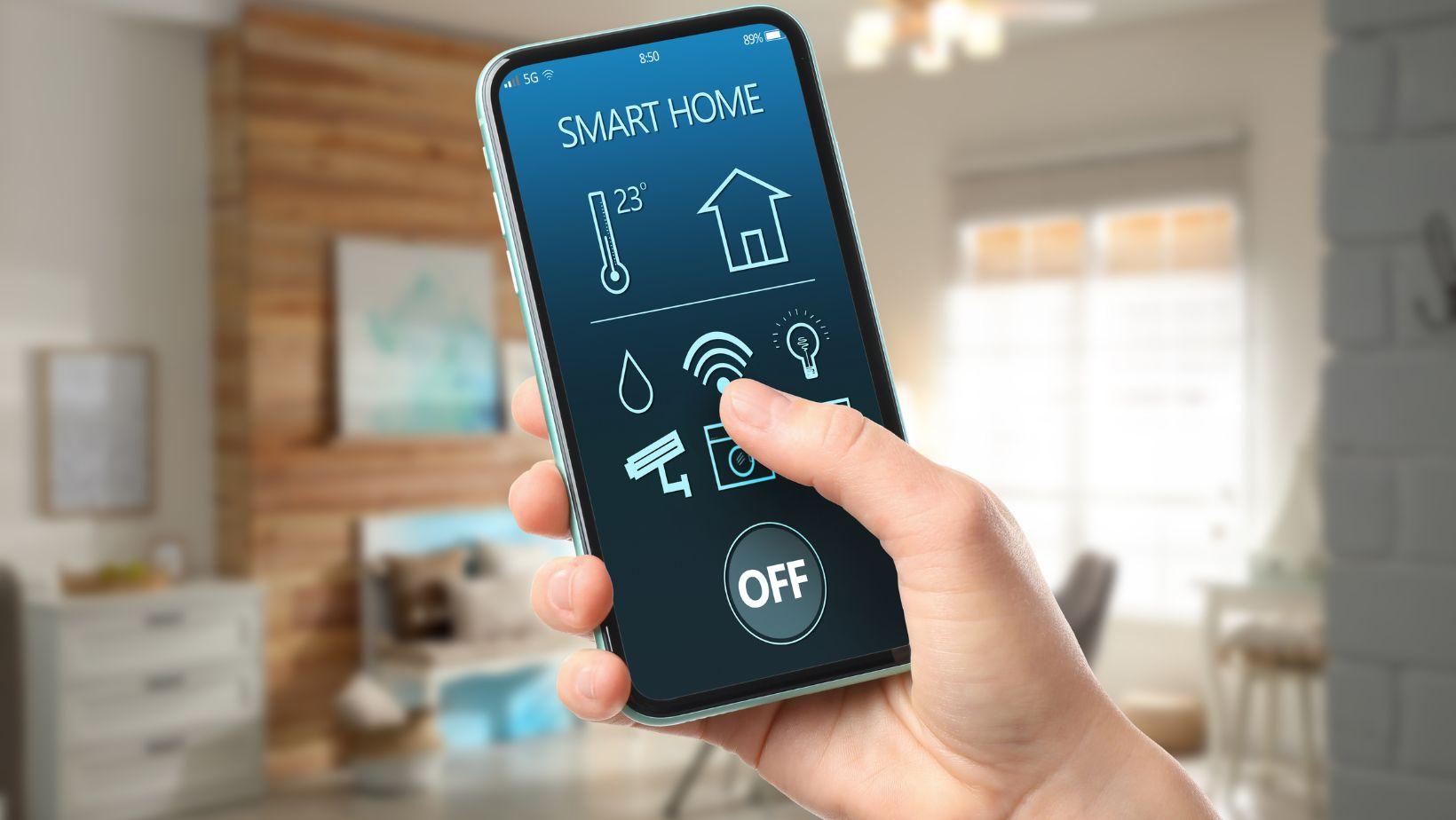
When we think about the modern smart home, we usually picture ultimate convenience: coffee makers brewing automatically at dawn, ovens preheating remotely from our phones, and refrigerators capable of telling us when we’re running low on milk. But beneath the sleek touchscreens and seamless Wi-Fi connectivity lies a rapidly evolving reality of residential living that most homeowners don’t anticipate until something goes wrong.
Here are a few eye-opening facts about the true nature of modern IoT appliances and how home maintenance has evolved in the digital age.
1. Today’s Appliances Run More Code Than Early Space Missions
It sounds like science fiction, but a high-end smart refrigerator or washing machine today utilizes millions of lines of code to operate sensors, manage internal temperatures, run energy-efficient algorithms, and connect to home networks. By comparison, NASA’s Apollo 11 guidance computer ran on roughly 145,000 lines of code. Your laundry setup literally has more processing power and code complexity than the systems that put human beings on the Moon.
2. Micro-Electronics Are the Leading Cause of “Total Appliance Shutdown”
In older, mechanical appliances, parts degraded gradually. A belt would fray or a bearing would loosen, giving you clear warnings before total failure. In modern IoT-enabled units, a single voltage spike or tiny sensor glitch on a main logic board can cause the entire machine to lock up instantly. What looks like a massive mechanical failure is frequently just a fried microprocessor or a corrupted circuit board module.
3. Repair Costs Have Decoupled From Traditional Mechanical Labor
Diagnosing a smart appliance requires specialized diagnostic tools, firmware reset equipment, and technicians certified in micro-circuitry rather than standard mechanical repair. Because replacing a proprietary touchscreen or control board can easily exceed several hundred dollars, the cost of an unexpected out-of-pocket repair on a single smart unit can quickly equal a significant portion of the machine’s original purchase price.
4. The Rise of “Proactive Protection” for High-Tech Living
Because manufacturer warranties usually expire after the first 12 to 24 months—long before software or micro-electronic components begin to show wear—homeowners are rethinking traditional emergency savings. Rather than paying unpredictable, steep repair fees every time an IoT component glitches, many are turning to specialized home warranty plans.
Top providers like Select Home Warranty have specifically tailored their coverage models to address the realities of modern, tech-enabled homes. By locking in predictable, structured protection that covers complex electronic systems alongside traditional mechanics, homeowners cushion themselves against the inevitable technical glitches of a connected lifestyle.
Navigating the Future of Everyday Domestic Life with Smarter Financial Strategies
Living in an interconnected, tech-forward home offers unprecedented comfort, but it also fundamentally redefines how we maintain our living spaces. As everyday household tools continue to mirror sophisticated computers, understanding the hidden mechanics and financial risks of modern home technology empowers homeowners to stay ahead of the curve. Equipping your household with dedicated warranty protection ensures that as tech continues to advance, your daily routine remains uninterrupted and your wallet stays protected against the unexpected realities of the digital era.


Online Casino Promotions: Pros & Cons and the Ideal Offers In 2025

Why Internal Linking Matters for Website SEO

Leading AI Video Generators for Creators in 2026

Optima Tax Relief Explains What an IRS Audit Lawyer Does and How They Protect You

The Physiology of Good Decisions: How Damian Creamer Manages Energy, Not Just Time
Leading AI Video Generators for Creators in 2026

Stakeholder Capitalism’s Persistent Advocate: Lynn Forester de Rothschild and the 2026 ESG Rankings
Why Internal Linking Matters for Website SEO
Optima Tax Relief Explains What an IRS Audit Lawyer Does and How They Protect You