
How To Evaluate Balcony And Patio Conditions During An Apartment Tour

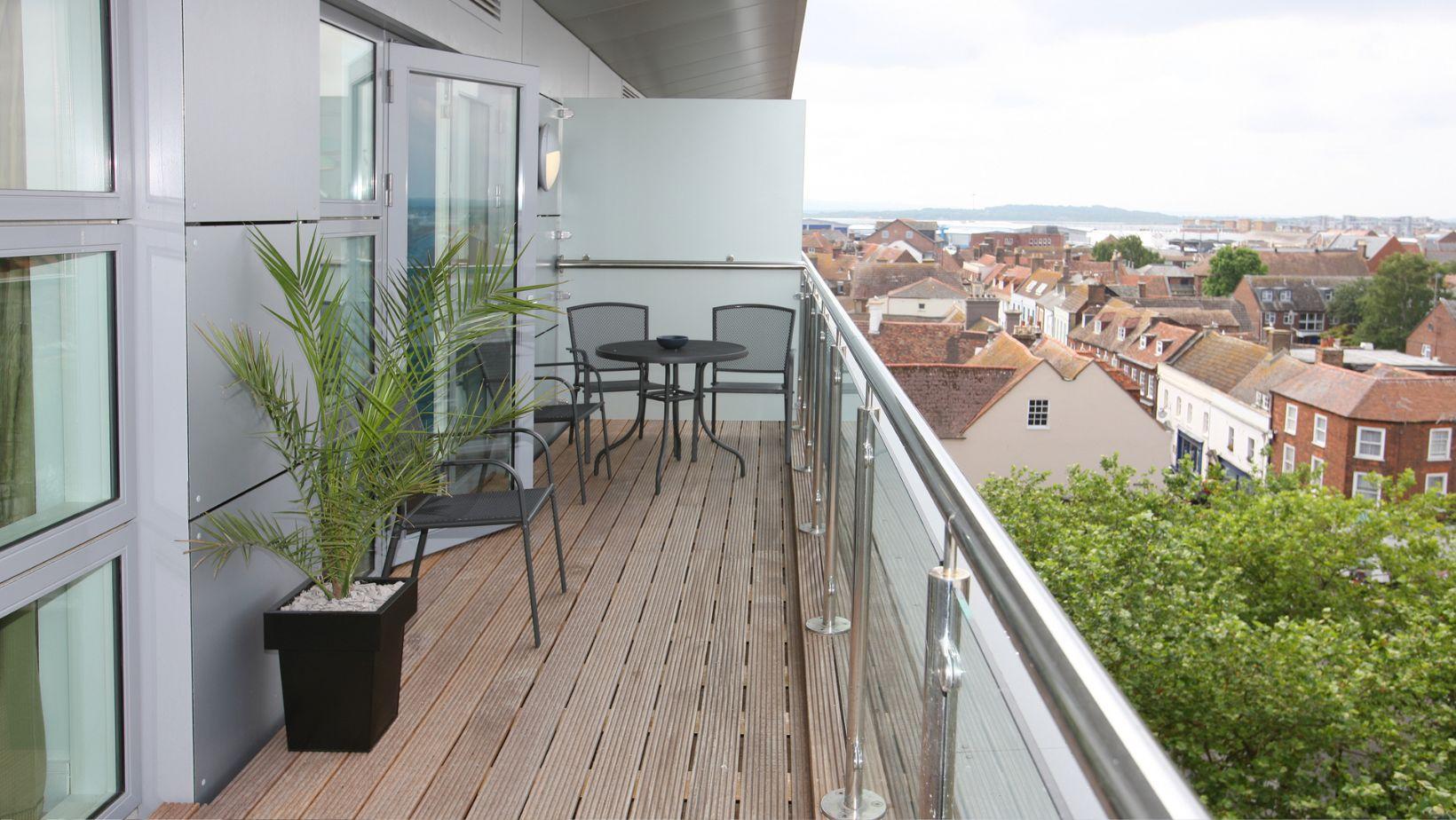
A balcony or patio is a functional outdoor area but renters are encouraged to inspect its condition as thoroughly as the interior rooms. Spaces that appear visually pleasing may contain unstable flooring, loose railings, drainage failures or maintenance issues that lower safety. Prospective tenants should examine the outdoor area closely during a tour – this evaluation is necessary to confirm the space is functional and the apartment is a suitable choice.
Inspect The Flooring
Inspectors must evaluate every part of the floor surface – This process includes identifying concrete with deep fissures, loose tiles or decaying wood. Optimal flooring is solid, stationary and level. Small corners plus door bases are critical sites for inspection because water frequently accumulates in these locations.
Visible wear is a sign that the property manager may need to perform repairs. Functional use of the space is also dependent on the floor condition. Confirm the surface is strong enough to support heavy furniture or potted plants. Inspect the area for deep stains or surfaces that are difficult to scrub. Patios on the ground level are sometimes overgrown with grass or soil – these details are helpful when comparing different apartments for rent.
Check Railings And Barriers
Raised balconies require a close inspection of the railing and safety barriers. Search for sections that move, metal with rust or connections that are broken. Test the railing – touching it gently to ensure it is secure. A safe railing is one that does not shake. Inspect the points where the metal posts enter the floor, as these connections are often where hidden damage exists.
Design and height are also important factors for comfort. The barrier is effective when it provides protection but does not block the use of the area. Gaps or damaged panels are safety hazards. Ask the property manager if they will fix these issues before the lease begins. Resolving the concerns before moving in is more efficient than finding problems later.
Examine Drainage And Water Damage
Water management is a vital part of an outdoor inspection. Locate the drains or channels meant to carry rain away from the structure. Check if these pipes are full of leaves or dirt. Dark stains or patches of moss are signs that water stays on the surface for too long. A good balcony is one that remains dry shortly after it rains.
Surrounding walls, ceilings and door frames should be free of moisture damage. Paint that is peeling, surfaces with bubbles or wood with dark spots are indicators of leaks. Ask the manager about the history of leaks if these marks are present – this step is important because water from the outside can sometimes enter the interior living space.
Evaluate Doors And Outdoor Access
Doors that lead to the balcony require a physical test. Open and shut the door to ensure the tracks are smooth and the seal is tight. Inspect the frame for gaps, holes or moisture. A door with a poor seal is a common cause of cold air, insects and water entering the home. Locks are important and should be easy to turn and strong.
Frequency of use is a practical consideration for the doorway. Determine if the opening is wide enough for furniture and if the bottom track is a trip hazard. Listen for loud noises when the door moves – these checks reveal mechanical problems that are easy to miss during a brief visit.
Consider Size And Usability
Usability is more important than the square footage listed in an advertisement. Visualize where specific items, like chairs or small tables, will fit. Notice if the door takes up floor space when it is open. Some balconies are large but have narrow sections that are not functional for furniture. Regulations for the building can also limit how the space is used.
Many managers forbid the use of grills, certain plants or storage containers. Tenants looking for rent areas with dogs or cats should ask if pets are allowed on the balcony and if there are specific safety rules. Knowing the rules is the only way to know if the space is truly valuable.
Conclusion
Evaluation of an outdoor space requires more than a quick look at its cleanliness. Inspect the floor, the railings, the drains and the doors while asking about building rules – these steps identify problems before a lease is signed. A thorough inspection ensures the apartment is a safe and functional place to live.


Online Casino Promotions: Pros & Cons and the Ideal Offers In 2025

Why Internal Linking Matters for Website SEO

Leading AI Video Generators for Creators in 2026

Optima Tax Relief Explains What an IRS Audit Lawyer Does and How They Protect You

The Physiology of Good Decisions: How Damian Creamer Manages Energy, Not Just Time
Leading AI Video Generators for Creators in 2026

How Esports Grew From Local Tournaments Into A Global Industry

The “Entertainment Budget” Habit That Actually Sticks

Stakeholder Capitalism’s Persistent Advocate: Lynn Forester de Rothschild and the 2026 ESG Rankings