
17 Little-Known Facts About Eyeglasses


Some accessories become such a familiar part of everyday life that we hardly notice them anymore, and eyeglasses are one of them. They’re practical, comfortable, and have become an effortless part of our daily routine and personal style. We put them on before leaving the house, wear them through work, reading, and countless everyday moments, often without giving them a second thought. Yet every pair of glasses is the result of years of innovation, thoughtful design, and a fascinating history that has shaped the way we see the world today.
Behind this everyday essential are unexpected stories, little-known facts, and clever innovations that most people never hear about. The more you discover about the world of eyeglasses, the more surprising it becomes. So, before you put on your next pair, take a moment to explore these 17 little-known facts about eyeglasses that might just make you appreciate them in a whole new way.
A Look Back at Eyeglass History
Here are five fascinating facts that reveal how one of the world’s most familiar accessories has evolved.
1. The First Eyeglasses Didn’t Have Temples
Early glasses looked nothing like the ones we wear today. The first wearable prescription glasses appeared around the 13th century and had no temples to rest over the ears. Imagine people back then had to balance glasses on the nose or simply hold them by hand.
2. Eyeglasses Have Been Around for More Than 700 Years
Magnifying lenses had been used for centuries before the first wearable eyeglasses appeared in Italy during the late 13th century. This calculation shows it’s been more than 700 years since the invention of glasses. The good part is that it has continued to evolve and has a positive impact on millions of people around the world today.
3. The First Frames Were Made From Natural Materials

The introduction of plastic for glasses frames took some time. Back in the late 1300s, eyeglass frames were crafted from natural materials such as wood, leather, horn, bone, and even tortoiseshell. The materials reflected the craftsmanship of their time (that was all without using Pinterest).
4. Bifocals Changed the Way People Saw the World
Benjamin Franklin is widely credited with inventing bifocal lenses in the 18th century. This has helped people to easily switch between reading and everyday activities without changing glasses.
5. Glasses Were Once Considered a Luxury Item
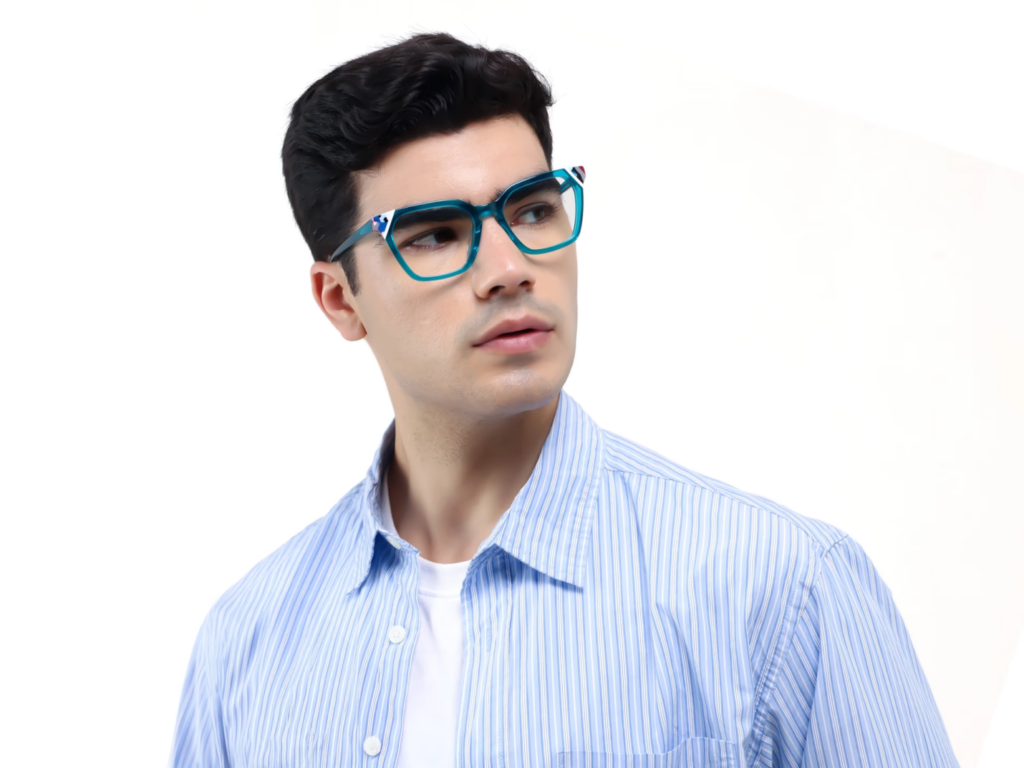 Centuries ago, owning a pair of eyeglasses was a sign of luxury. Because lenses were handcrafted and expensive to produce, only scholars, wealthy merchants, and members of the upper class could afford them.
The Science Behind Modern Eyeglasses
Modern glasses look simple and more suited to use. Behind this convenience, there is an impressive amount of science packed into every pair. Here are five of the facts that highlight the technology behind modern glasses.
6. Modern Lenses Can Be Incredibly Thin
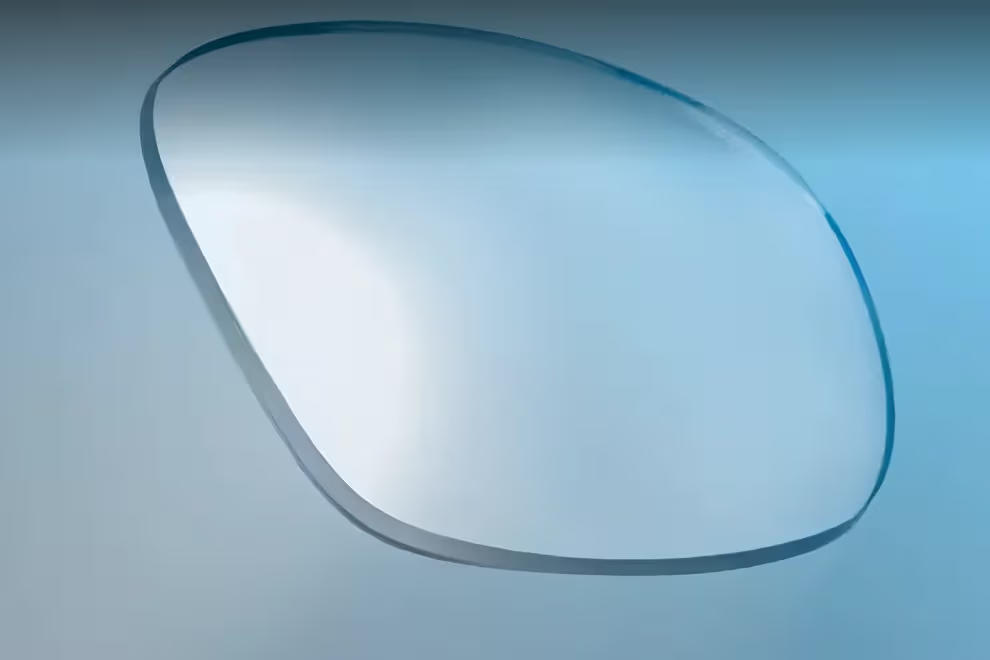 A high prescription does not mean thicker lenses. High-index materials allow lenses to bend light more efficiently, making strong prescriptions much thinner than traditional lenses. Experts at Manchester-based Optician Specscart confirmed that standard eyeglass lenses are of 1.5 index, but today you can get lenses up to 1.74 index, which can be 45% thinner than the standard lenses.
7. Anti-Reflective Coatings Do More Than Reduce Glare
Anti-reflective coatings are best known for reducing glare, but they offer more. They offer visual clarity and reduce distracting reflections from digital screens and headlights. Vision becomes clearer by minimising light bouncing off the lens surface.
8. Photochromic Lenses React to UV Light
Photochromic lenses are one of the best advancements to explore in eyewear. When exposed to UV rays, the lenses automatically darken, then gradually return to clear indoors. As a result, you don’t need to carry a separate pair of prescription glasses and sunglasses.
9. Frame Materials Have Come a Long Way
Today’s eyeglass frames are made from materials designed for different lifestyles and needs. You can get glasses in acetate, wood, titanium, thermoplastic and mixed material frames according to your lifestyle and needs.
10. Not All Lenses Are the Same
There are wide range of options in lenses these days. There are multiple coating options available, like a blue-light filter for screen users. These options have made glasses popular among people who don’t need vision correction as well. Simultaneously, we have also seen advancements in varifocal technology and the adaptation of AI in lenses.
Design Details Most People Never Notice
At first glance, a pair of eyeglasses may seem like a simple combination of lenses and frames, but reality is carefully designed with different purposes. Here are a few hidden design details that make a bigger difference than most people realise.
11. Spring Hinges Weren’t Always Part of Eyeglasses
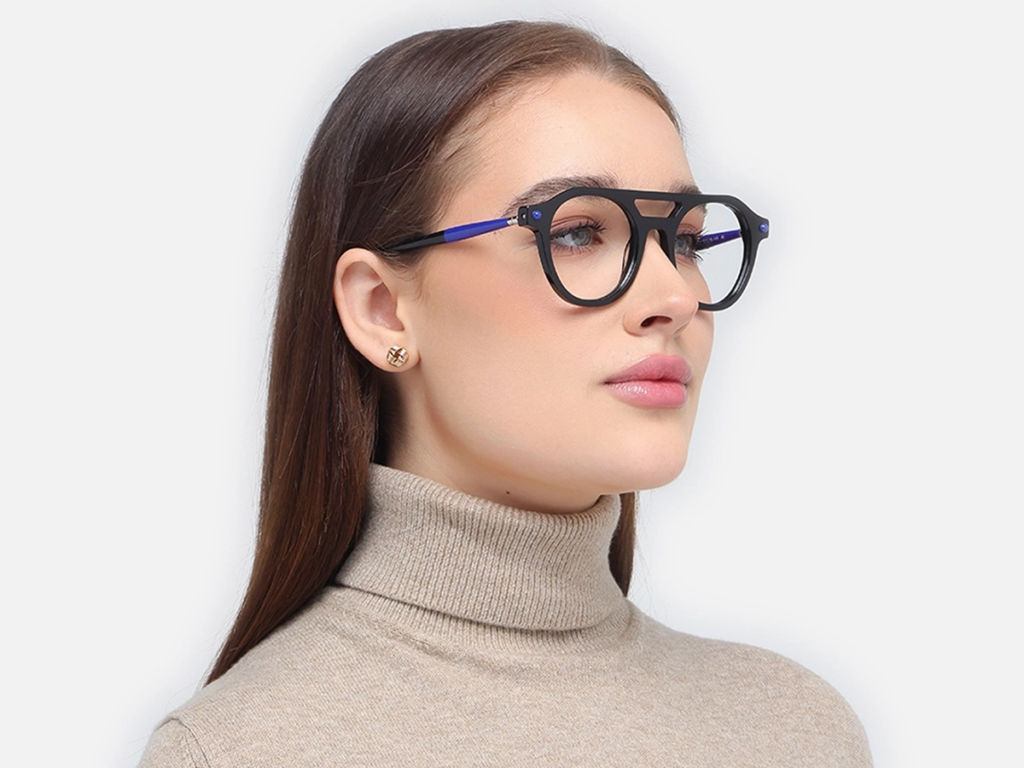 Many modern eyeglasses feature spring hinges, but they are a recent addition to this accessory. Hinges were defined and refined during the late 20th century. This allows a 90-degree flex to the temple and ensures durability and a comfortable fit.
12. The Bridge Does More Than Connect the Lenses
The bridge of the glasses is an important part. It actually decides how the glasses sit on your face with comfort. It was the changing demand which introduced different bridge styles to suit preferences and face shapes. Fast forward to today, keyhole bridge, saddle bridge, and double bridge make a noticeable difference in everyday comfort.
13. Temple Tips Are Curved to Follow the Shape of Your Ears
The curved ends of the temples aren’t just a design choice. They help keep your glasses securely in place. By following the natural shape behind the ears, temple tips improve stability, reduce slipping, and make glasses more comfortable to wear for long hours without constant adjustment.
Fun Facts You Probably Didn’t Know
Not every interesting fact about eyeglasses comes from science or history. Some are hidden in pop culture and everyday habits. Here are four fun facts to wrap up your journey through the fascinating world of eyeglasses.
14. Daniel Radcliffe Went Through Around 160 Pairs of Harry Potter Glasses
 Harry Potter’s iconic round glasses became almost as famous as the character himself. During the filming of the series, Daniel Radcliffe reportedly went through around 160 pairs of glasses. The original nickel frames also caused an allergic reaction, leading the production team to replace them with hypoallergenic versions.
15. Smudges Can Reduce More Than Just Appearance
A fingerprint-covered lens isn’t just annoying. It can also affect visual clarity by scattering light and creating unnecessary glare. That’s why cleaning your lenses regularly with a microfibre cleaning cloth, mild cleaning solution and keeping them in a protective case when not in use is important.
16. Your Prescription Isn’t the Only Thing That Affects Vision
Even with the correct prescription, glasses may not perform as intended if they don’t fit properly. The position of the lenses in front of your eyes, the bridge fit, the pupillary distance and the way the frame sits on your face all play an important role in delivering clear, comfortable vision. With a few simple steps, you can easily check your pupillary distance at home.
17. Modern Eyeglasses Blend Fashion, Science, and Engineering
Today’s eyeglasses are far more than simple vision aids. Every pair combines optical science, material engineering, ergonomic design, and personal style into a single everyday accessory. It’s this unique blend of function and fashion that has made eyeglasses one of the most remarkable everyday essentials.
Conclusion
The next time you put on your glasses, remember that you’re wearing more than a vision aid. You’re wearing centuries of invention, clever engineering, and fascinating history, all resting comfortably on your face. Sometimes the most ordinary everyday objects have the most extraordinary stories.


Why Internal Linking Matters for Website SEO

Leading AI Video Generators for Creators in 2026

Optima Tax Relief Explains What an IRS Audit Lawyer Does and How They Protect You

The Physiology of Good Decisions: How Damian Creamer Manages Energy, Not Just Time

Easy Ways to Organize and Work With Digital Documents

Practical Ways to Turn Motivation into Consistent Habits

Why the Headline Price Rarely Tells You the True Cost of a Major Financial Decision

Where to Find Personal Finance Content on BetterThisWorld.com

How Entrepreneurs Can Evaluate Online Business Advice
