
How To Save Money For A House: A Practical 2026 Plan To Reach Your Down Payment Faster

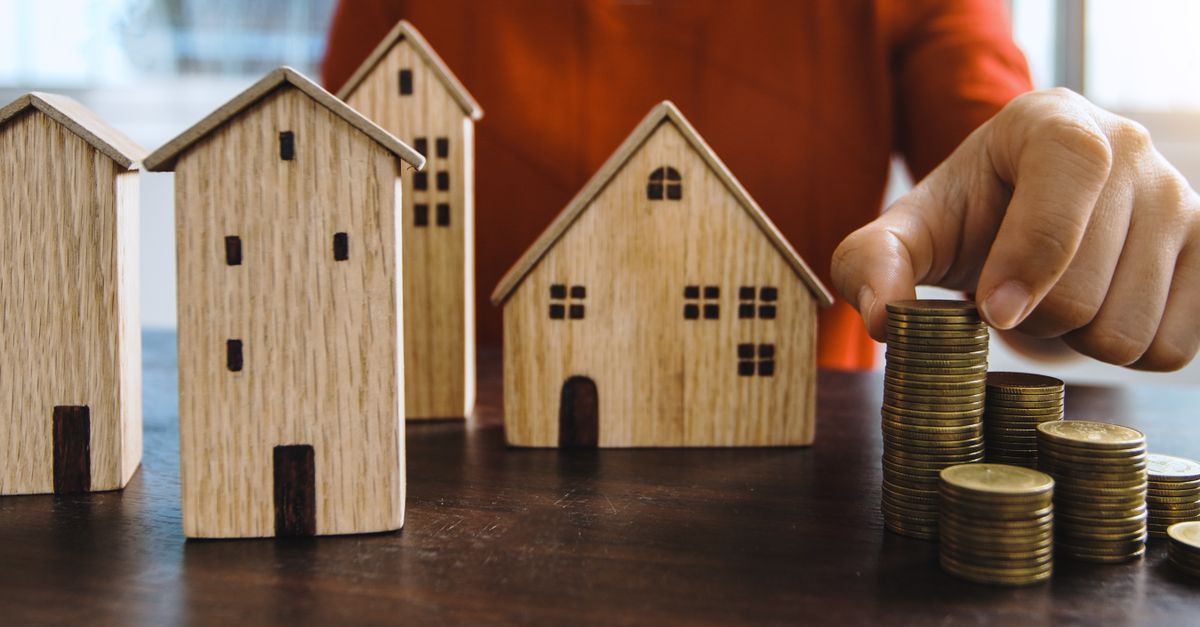
Buying a house in 2026 feels different, mortgage rates, remote work, and housing competition all shift the math. But the essential lever you control is how fast and smartly you save. This guide breaks the down-payment puzzle into clear steps: set a focused goal, calculate real costs, build a habit-driven savings plan, and accelerate with extra income and high-yield tools. Read this plan and you’ll leave with specific numbers, actionable tactics, and links to trustworthy resources to speed your path to a first (or next) home.
Set A Specific Goal And Timeline
The first step isn’t a budget, it’s a target. Pick the house price range you want and translate that into a down payment and timeline. For example: a $350,000 property with a 10% down target means $35,000: if you want to buy in 3 years, you need to save about $970 per month (plus any expected interest earned). Naming the target changes behavior: “Save $35k in 36 months” is more motivating than “save for a house someday.”
Decide a priority ladder: minimum down payment (to qualify), comfortable down payment (lower monthly payment), and stretch goal (put 20% to avoid PMI). Give each a deadline, e.g., minimum in 12–18 months, comfortable in 36 months. That makes trade-offs explicit when you balance retirement, emergency funds, and home savings.
A useful behavioral trick: create separate sub-accounts for each goal (deposit name matters, “Down payment, 2029” or “Home fund: 20%”) and use small, visible milestones. Morningstar’s piece on money scripts explains how naming accounts helps stick to long-term goals and anchors decisions to a plan rather than impulse personal finance habits.
Calculate The True Cost: Down Payment, Closing Costs, And Safety Buffer
A common mistake is focusing only on the down payment. Real upfront cash needs include: the down payment, closing costs (usually 2–5% of the home price), pre-paid items like insurance and taxes, and a safety buffer for moving/repairs. For a $350,000 home, that could be $35,000 down + $7,000–$17,500 closing costs = $42,000–$52,500 before you unpack.
Don’t forget ongoing cash needs: initial utility deposits, small repairs, furniture, and an emergency cushion. Lenders also look at reserves: having two to three months of mortgage payments in savings strengthens your application. Use realistic estimates rather than optimistic rounding-up, local property taxes and HOA fees vary.
If you’re unsure how much to save each month, Bankrate’s breakdown on monthly savings targets offers helpful frameworks for matching savings pace to timelines and income levels, which can inform how aggressive your plan should be monthly saving guide.
Build A High-Impact Savings Plan (Budget, Automate, And Reduce Expenses)
With goals and costs clear, design a plan that prioritizes consistent progress over heroic but unsustainable cuts. Start with a zero-based budget or a simple 50/30/20 framework and carve out the down-payment contribution as a non-negotiable “bill.” If you need a template, there are free spreadsheets that mirror common budgeting flows: if you prefer Google Sheets, using a dedicated plan helps visualize weekly progress and keep you honest, try a tailored sheet for housing goals to track transfers and windfalls (there’s a useful how-to on budgeting in Google Sheets that demonstrates the mechanics for goal tracking and automated formulas budget template).
Automate transfers the day after payday so saving happens before discretionary spending. Cut recurring subscriptions you rarely use and pause nonessential categories (daily premium coffee, streaming overlaps). Small behavior shifts, packing lunch twice a week, swapping rideshares for a bike commute, compound quickly. But prioritize the big wins: lower housing costs (move in with family short-term if feasible), renegotiating insurance, or refinancing high-interest debt to free monthly cash.
Kiplinger’s 2026 advice for savers highlights automation, high-yield accounts, and periodically re-evaluating saving tactics, keep those habits on a quarterly cadence so the plan adapts to life changes saver strategies 2026.
Accelerate Your Progress: Side Income, Windfalls, And Smart Accounts
If your base saving rate won’t hit the target fast enough, accelerate with extra income and smarter accounts. Side hustles, freelancing, tutoring, or selling unused items, can be routed directly to the home fund. Even $200–$500 a month from a side gig shortens timelines by months or years. When you receive windfalls (tax refunds, bonuses), earmark at least half for the down payment rather than spending it immediately.
Where you hold the money matters. Use a high-yield savings account or short-term laddered CDs for the down payment to earn more than a checking account while keeping principal safe. NerdWallet and Investopedia both offer practical comparisons of options and timelines to decide whether to hold cash or invest surplus savings depending on your purchase horizon home saving guide and savings strategy.
Tax-advantaged or gift options can help too: ask family about gifting rules, explore employer home-buying assistance, and check first-time buyer programs. When you’re juggling multiple financial priorities, a clear rule of thumb helps: prioritize high-interest debt and an emergency fund, then funnel extra dollars to the down payment. For practical monthly targets and pacing, Bankrate’s guidance can validate whether your projected monthly save rate is realistic against your timeline monthly saving guide.
Finally, embed learning into the process. Read a short primer on broader personal finance concepts from the site’s money cluster to avoid costly mistakes, one helpful resource explains core money topics and fits naturally into a saver’s learning path personal money overview.
Conclusion
Saving for a house is a sequence of deliberate choices: pick a specific target, count every cost, automate consistent saving, and accelerate with extra income and higher-yield accounts. Commit to quarterly check-ins, adjust the plan when life changes, and use goal-named accounts to keep momentum. With steady habits and a few smart tactics, you’ll reach your down payment sooner than you think, and move into decisions about neighborhoods and mortgage options with real financial confidence.
Frequently Asked Questions about Saving for a House
What is the first step in saving money for a house?
The first step is to set a specific savings goal and timeline by choosing your target house price and calculating the down payment and related costs you need to save within your desired timeframe.
How can automating savings help me save for a house?
Automating transfers right after payday ensures you save consistently before spending on other items, making it easier to build your home fund steadily without missing monthly targets.
What costs should I consider besides the down payment when saving for a house?
You should also budget for closing costs (2–5% of the home price), prepaid insurance and taxes, moving expenses, repairs, furniture, and a safety buffer to avoid surprises after purchase.
How can side income accelerate my home savings plan?
Additional income from side jobs, freelancing, or selling items can be directly added to your down payment fund, significantly shortening the time needed to reach your savings goal.
What type of accounts are best for saving a house down payment?
High-yield savings accounts or short-term laddered CDs are ideal to keep your savings safe while earning better interest than regular checking accounts, helping your money grow as you save.
How much should I save each month to buy a house in 3 years?
Once you set your home price and down payment goal, divide the total required amount by your timeline. For example, a $35,000 down payment means saving about $970 monthly, but using tailored budgeting tools can adjust targets based on your income and expenses.


BetterThisWorld Money Explained for Beginners

BetterThisWorld Money Explained for Beginners

Building Wealth with BetterThisWorld Money Resources

Building Wealth with BetterThisWorld Money Resources

BetterThisWorld Money Features Explained

Cambridge Businesses Push Back Against Rising Municipal Fee Structures

Midland residents turning to digital payment tools for everyday spending

Why Landlords Are More Successful With Good Tenant Relationships

Everyday Product Swaps for a More Natural Lifestyle

Easy Ways to Create a Designer Living Room Without Overspending
How To Save Money For A House: A Practical 2026 Plan To Reach Your Down Payment Faster
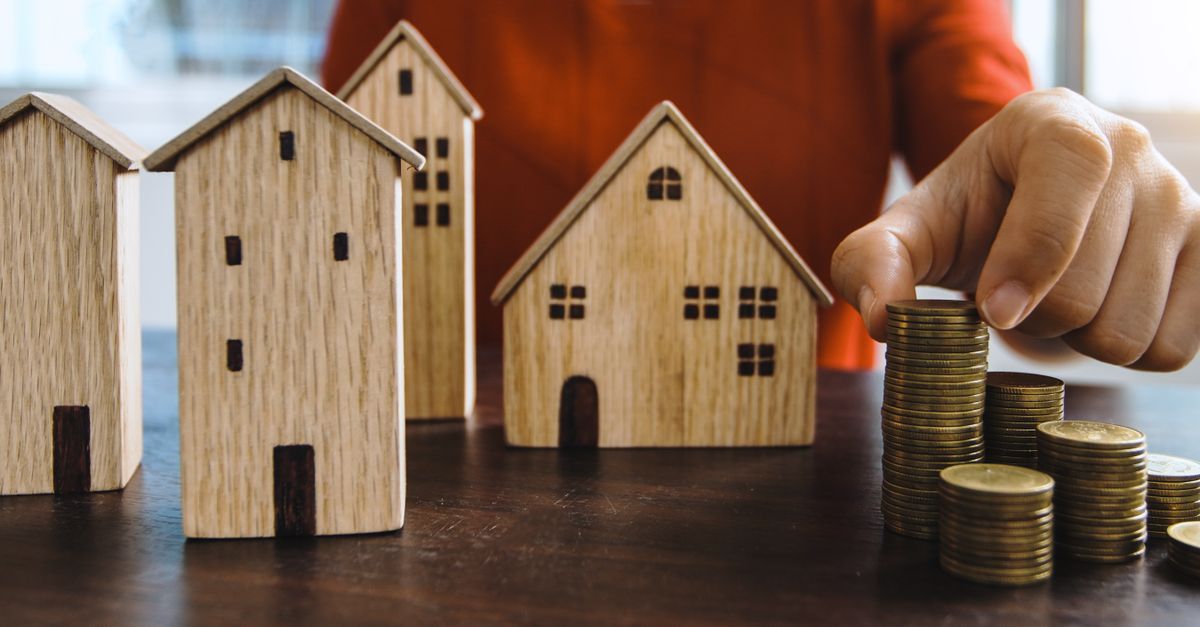
Buying a house in 2026 feels different, mortgage rates, remote work, and housing competition all shift the math. But the essential lever you control is how fast and smartly you save. This guide breaks the down-payment puzzle into clear steps: set a focused goal, calculate real costs, build a habit-driven savings plan, and accelerate with extra income and high-yield tools. Read this plan and you’ll leave with specific numbers, actionable tactics, and links to trustworthy resources to speed your path to a first (or next) home.
Set A Specific Goal And Timeline
The first step isn’t a budget, it’s a target. Pick the house price range you want and translate that into a down payment and timeline. For example: a $350,000 property with a 10% down target means $35,000: if you want to buy in 3 years, you need to save about $970 per month (plus any expected interest earned). Naming the target changes behavior: “Save $35k in 36 months” is more motivating than “save for a house someday.”
Decide a priority ladder: minimum down payment (to qualify), comfortable down payment (lower monthly payment), and stretch goal (put 20% to avoid PMI). Give each a deadline, e.g., minimum in 12–18 months, comfortable in 36 months. That makes trade-offs explicit when you balance retirement, emergency funds, and home savings.
A useful behavioral trick: create separate sub-accounts for each goal (deposit name matters, “Down payment, 2029” or “Home fund: 20%”) and use small, visible milestones. Morningstar’s piece on money scripts explains how naming accounts helps stick to long-term goals and anchors decisions to a plan rather than impulse personal finance habits.
Calculate The True Cost: Down Payment, Closing Costs, And Safety Buffer
A common mistake is focusing only on the down payment. Real upfront cash needs include: the down payment, closing costs (usually 2–5% of the home price), pre-paid items like insurance and taxes, and a safety buffer for moving/repairs. For a $350,000 home, that could be $35,000 down + $7,000–$17,500 closing costs = $42,000–$52,500 before you unpack.
Don’t forget ongoing cash needs: initial utility deposits, small repairs, furniture, and an emergency cushion. Lenders also look at reserves: having two to three months of mortgage payments in savings strengthens your application. Use realistic estimates rather than optimistic rounding-up, local property taxes and HOA fees vary.
If you’re unsure how much to save each month, Bankrate’s breakdown on monthly savings targets offers helpful frameworks for matching savings pace to timelines and income levels, which can inform how aggressive your plan should be monthly saving guide.
Build A High-Impact Savings Plan (Budget, Automate, And Reduce Expenses)
With goals and costs clear, design a plan that prioritizes consistent progress over heroic but unsustainable cuts. Start with a zero-based budget or a simple 50/30/20 framework and carve out the down-payment contribution as a non-negotiable “bill.” If you need a template, there are free spreadsheets that mirror common budgeting flows: if you prefer Google Sheets, using a dedicated plan helps visualize weekly progress and keep you honest, try a tailored sheet for housing goals to track transfers and windfalls (there’s a useful how-to on budgeting in Google Sheets that demonstrates the mechanics for goal tracking and automated formulas budget template).
Automate transfers the day after payday so saving happens before discretionary spending. Cut recurring subscriptions you rarely use and pause nonessential categories (daily premium coffee, streaming overlaps). Small behavior shifts, packing lunch twice a week, swapping rideshares for a bike commute, compound quickly. But prioritize the big wins: lower housing costs (move in with family short-term if feasible), renegotiating insurance, or refinancing high-interest debt to free monthly cash.
Kiplinger’s 2026 advice for savers highlights automation, high-yield accounts, and periodically re-evaluating saving tactics, keep those habits on a quarterly cadence so the plan adapts to life changes saver strategies 2026.
Accelerate Your Progress: Side Income, Windfalls, And Smart Accounts
If your base saving rate won’t hit the target fast enough, accelerate with extra income and smarter accounts. Side hustles, freelancing, tutoring, or selling unused items, can be routed directly to the home fund. Even $200–$500 a month from a side gig shortens timelines by months or years. When you receive windfalls (tax refunds, bonuses), earmark at least half for the down payment rather than spending it immediately.
Where you hold the money matters. Use a high-yield savings account or short-term laddered CDs for the down payment to earn more than a checking account while keeping principal safe. NerdWallet and Investopedia both offer practical comparisons of options and timelines to decide whether to hold cash or invest surplus savings depending on your purchase horizon home saving guide and savings strategy.
Tax-advantaged or gift options can help too: ask family about gifting rules, explore employer home-buying assistance, and check first-time buyer programs. When you’re juggling multiple financial priorities, a clear rule of thumb helps: prioritize high-interest debt and an emergency fund, then funnel extra dollars to the down payment. For practical monthly targets and pacing, Bankrate’s guidance can validate whether your projected monthly save rate is realistic against your timeline monthly saving guide.
Finally, embed learning into the process. Read a short primer on broader personal finance concepts from the site’s money cluster to avoid costly mistakes, one helpful resource explains core money topics and fits naturally into a saver’s learning path personal money overview.
Conclusion
Saving for a house is a sequence of deliberate choices: pick a specific target, count every cost, automate consistent saving, and accelerate with extra income and higher-yield accounts. Commit to quarterly check-ins, adjust the plan when life changes, and use goal-named accounts to keep momentum. With steady habits and a few smart tactics, you’ll reach your down payment sooner than you think, and move into decisions about neighborhoods and mortgage options with real financial confidence.
Frequently Asked Questions about Saving for a House
What is the first step in saving money for a house?
The first step is to set a specific savings goal and timeline by choosing your target house price and calculating the down payment and related costs you need to save within your desired timeframe.
How can automating savings help me save for a house?
Automating transfers right after payday ensures you save consistently before spending on other items, making it easier to build your home fund steadily without missing monthly targets.
What costs should I consider besides the down payment when saving for a house?
You should also budget for closing costs (2–5% of the home price), prepaid insurance and taxes, moving expenses, repairs, furniture, and a safety buffer to avoid surprises after purchase.
How can side income accelerate my home savings plan?
Additional income from side jobs, freelancing, or selling items can be directly added to your down payment fund, significantly shortening the time needed to reach your savings goal.
What type of accounts are best for saving a house down payment?
High-yield savings accounts or short-term laddered CDs are ideal to keep your savings safe while earning better interest than regular checking accounts, helping your money grow as you save.
How much should I save each month to buy a house in 3 years?
Once you set your home price and down payment goal, divide the total required amount by your timeline. For example, a $35,000 down payment means saving about $970 monthly, but using tailored budgeting tools can adjust targets based on your income and expenses.