
Annapurna Base Camp and Everest Base Camp Trek: The Ultimate Comparison:

Introduction of Two Big Himalayan Journeys
Trekking in Nepal is a dream for many people who love mountains, nature, and the simple life of trails. Two of the most famous treks are the Annapurna Base Camp trek and the Everest Base Camp trek. Both treks go deep into the Himalayas, both give powerful views, and both change the minds of trekkers slowly. But these treks are also very different in landscape, altitude, culture, and walking style. Many beginner trekkers feel confused about which trek is better, which trek is easier, and which trek gives more of an adventure feeling.
This article compares the 7-day Annapurna Base Camp Trek and the Everest Base Camp Trek in a simple, natural way. Some days the trail is easy, some days the trail is long, but the memories are always strong.
Mountains Behind the Treks
Every trek has one big mountain story behind it. The Everest Base Camp trek goes near the world’s highest mountain, Mount Everest, and that alone makes the trek very famous and emotional. Trekkers feel proud when walking in the same region where many climbers start their expedition dreams.
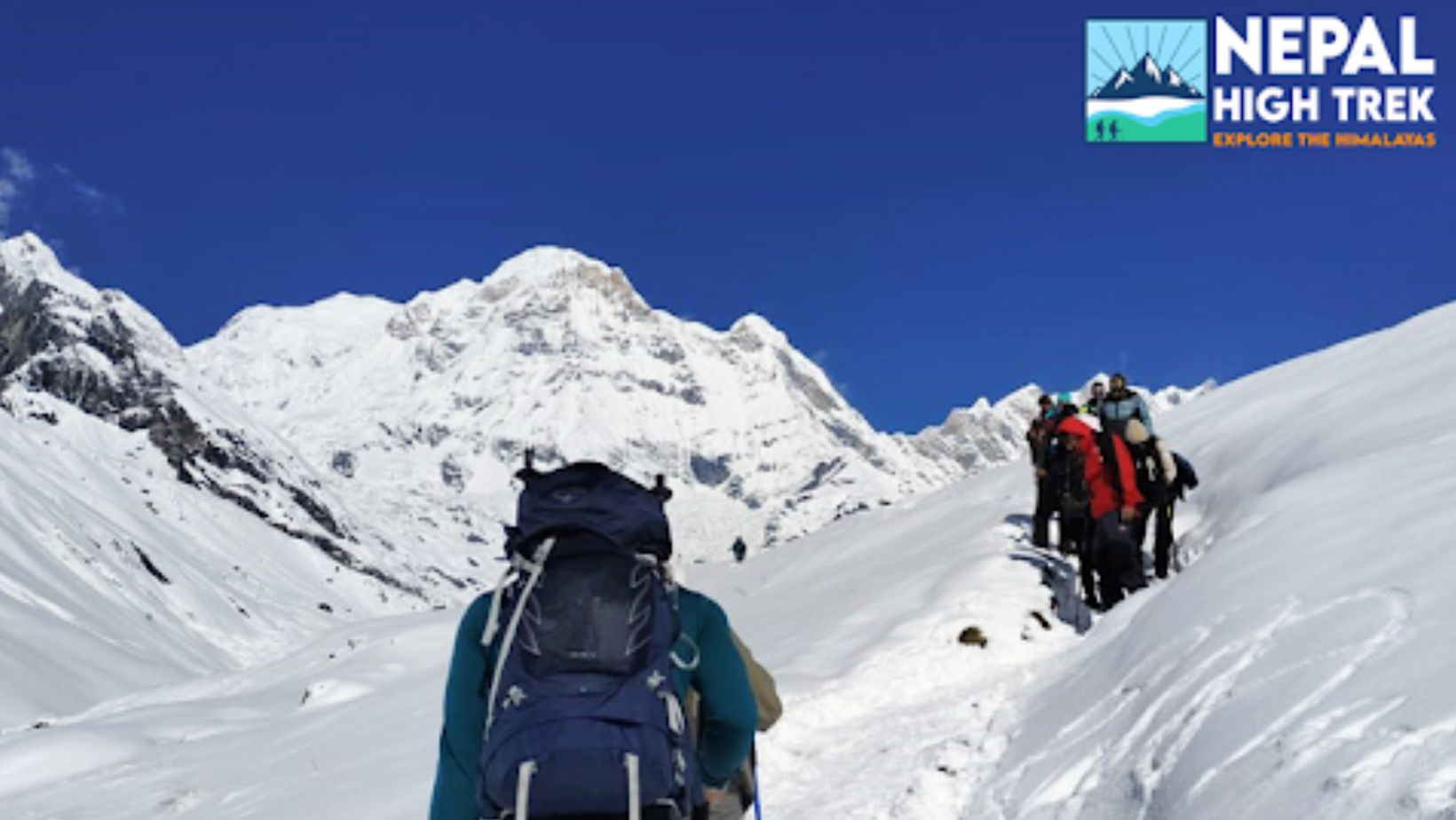
On the other side, the Annapurna Base Camp trek takes you inside the Annapurna Sanctuary under the shadow of Annapurna I. This mountain is also very powerful and beautiful, surrounded by many snow peaks making a natural amphitheater. The feeling here is closer, more personal, and more peaceful.
Both mountains have different personalities. Everest feels grand and legendary. Annapurna feels warm and magical.
Short Overview of the 7-Day Annapurna Base Camp Trek
The 7-Day Annapurna Base Camp Trek is a short but very rich journey. Trails usually start from the Pokhara side and quickly go into forests, villages, rivers, and stone staircases. Walking days are medium-long, but altitude gain is gradual, so many trekkers complete it successfully even in a short holiday time.
The first days pass through green forests of bamboo and rhododendron. Then the trail slowly opens, and mountains appear bigger and clearer. Villages like Chhomrong and Deurali give cultural touch and local hospitality. The last part of entering Annapurna Sanctuary is a dramatic moment, where snow peaks stand all around like silent guardians.
Because the trek is only 7 days, the walking pace is a little faster, but the beauty is still strong and satisfying.
Overview of Everest Base Camp Trek
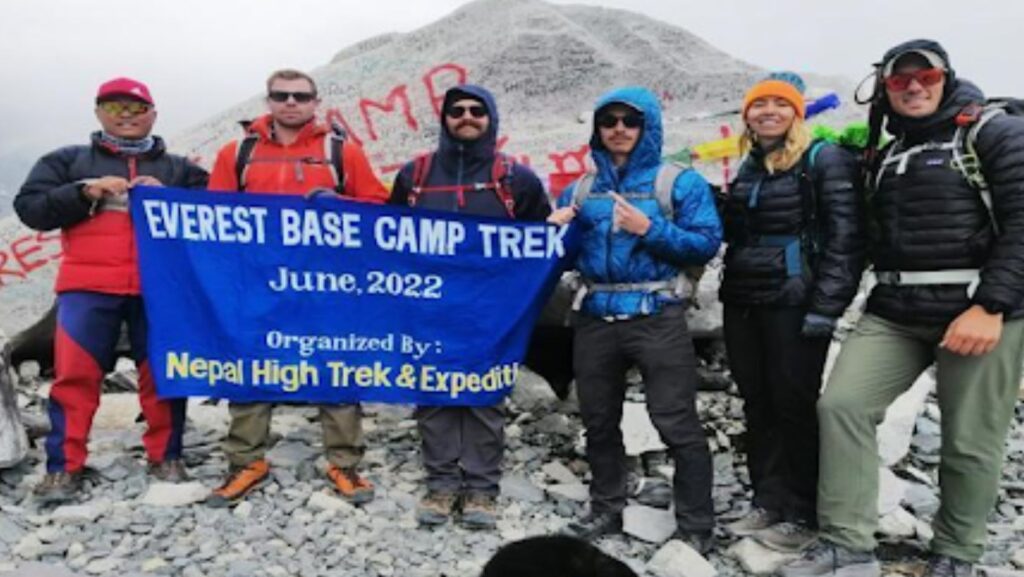
The Everest Base Camp trek is a longer and more challenging journey. Normally it takes around 12 to 14 days because the altitude is very high and the body needs acclimatization days. The trek starts with a famous flight to Lukla, a small airport between mountains, which already gives an adventurous feeling before walking starts.
The trail passes through famous villages like Namche Bazaar, Tengboche, and Dingboche. Each place has its own culture, monasteries, and mountain views. Trekkers walk beside rivers, cross suspension bridges, and slowly move into cold, high-altitude landscapes.
The final destination, Everest Base Camp, is a rocky glacier area with strong winds and dramatic views. Many trekkers also hike Kala Patthar for the best sunrise view of Everest.
Trek Duration and Time Management
One big difference between both treks is duration. The Annapurna Base Camp 7-day trek is short and compact. It is good for trekkers who have limited time but still want a real Himalayan experience. Walking hours per day are moderate to long, but total days are less.
The Everest Base Camp trek needs more time because the altitude is higher. Rest days in Namche Bazaar and Dingboche are important for safety. Without proper acclimatization, treks become risky. So Everest treks require patience and slow progress.
If someone wants a quick adventure, Annapurna fits better. If someone wants a long expedition feeling, Everest is perfect.
Difficulty Level and Walking Experience
The Annapurna Base Camp trek difficulty is moderate. There are many stone steps, especially around the Chhomrong area, which can feel tiring. But the altitude is lower compared to Everest, so breathing problems are less for most trekkers. The trail is also more forested and less cold.
The Everest Base Camp trek difficulty is moderate to challenging. The main reason is altitude, not walking distance. Air becomes thin above 4,000 meters, and the body feels heavy. Even short distances feel long. Cold wind also increases tiredness.
Both treks need preparation, but Everest needs more physical and mental control.
Altitude Difference and Acclimatization
Altitude is a very important topic in trekking. Annapurna Base Camp height is about 4,130 meters. Many trekkers reach this height safely in 7 days because the route climbs gradually through different villages.
Everest Base Camp height is about 5,364 meters. This is much higher, and the risk of altitude sickness increases strongly. Because of this, Everest treks include acclimatization days. Trekkers walk slowly, drink more water, and listen to their body carefully.
In simple words, Annapurna altitude is manageable. Everest altitude is serious.
Landscape and Nature Changes
The Annapurna Base Camp trek is famous for its landscape diversity. In only a few days trekkers see rivers, waterfalls, green forests, terraced farms, and finally snow-covered mountains. The transition feels fast but very beautiful.
The Everest Base Camp trek landscape is different. The starting part has forests and villages, but after the Namche area, the landscape becomes dry and rocky. Trees disappear slowly, and mountains dominate everything. Glaciers and high valleys give a strong Himalayan atmosphere.
Annapurna feels colorful and changing. Everest feels raw and powerful.
Culture and Local Life on the Trail
Culture is also an important part of the trekking experience. The Annapurna region is mostly inhabited by Gurung and Magar communities. Their villages are warm and traditional. Trekkers see local farming life, stone houses, and friendly tea houses.
The Everest region is home to the Sherpa people. Their culture is deeply connected with Tibetan Buddhism. Monasteries, prayer flags, mani stones, and spinning wheels appear many times on the trail. Tengboche Monastery is one of the most spiritual highlights of the trek.
Both treks give cultural experiences, but the Everest region culture feels more strongly connected with mountain climbing history.
Accommodation and Food Experience
Both treks have teahouse accommodation. Rooms are simple, mostly twin beds with blankets. Dining halls are warm and social places where trekkers share stories.
Annapurna Base Camp trek teahouses are a little more basic in higher areas but still comfortable. Food includes dal bhat, noodles, soups, and pancakes. Because the route is shorter, supply is easier.
Everest Base Camp trek teahouses in popular villages like Namche Bazaar are surprisingly good. Some places even have bakeries and coffee shops. But prices increase with altitude because everything is carried by porters or yaks.
Weather and Best Seasons
The best seasons for both treks are spring and autumn. In spring, rhododendron flowers bloom in the Annapurna region, making trails colorful and fresh. The weather is mostly stable, and the mountain views are clear.
In autumn, skies are very sharp blue and temperatures moderate. The Everest region especially looks stunning after monsoon dust is gone.
Winter trekking is possible, but cold conditions increase difficulty, especially in the Everest region. Monsoon season brings rain and clouds, so views are often hidden.
Cost Comparison Between Annapurna and Everest
The Annapurna Base Camp trek is usually cheaper than the Everest Base Camp trek. The reason is simple. Transportation costs are lower because road access is available near starting points. Also, the trek duration is shorter.
The Everest Base Camp trek costs more due to the Lukla flight, longer days, and higher logistics expenses. Food and accommodation are also more expensive at high altitude.
For budget trekkers, Annapurna is a good option. For iconic experience seekers, Everest is worth the extra cost.
Photography and Scenic Highlights
The Annapurna Base Camp trek gives close mountain views inside the sanctuary. Sunrise and sunset light reflect on snow peaks, creating a golden atmosphere. Forest trails are also very photogenic.
The Everest Base Camp trek gives dramatic high-altitude photography. Massive peaks, glaciers, prayer flags, and suspension bridges create strong visual stories. The Kala Patthar viewpoint is one of the best photography locations in the Himalayas.
Both treks are perfect for photographers, but the style of images is different.
Which Trek Is Better for Beginners?
Beginners often ask which trek is easier. In general, the 7-day Annapurna Base Camp Trek is more beginner-friendly because the altitude is lower and the duration is shorter. The trail is also more forgiving if someone feels tired.
The Everest Base Camp trek is possible for beginners too, but only with good preparation and slow pacing. Without proper acclimatization, beginners may struggle more.
So beginners usually start with Annapurna, then later go to Everest for a bigger challenge.
Emotional Experience and Trekking Feeling
Every trek gives emotional moments. In the Annapurna Base Camp trek, the feeling is peaceful and close to nature. Snowy mountains stand around quietly, and sunrise inside the sanctuary feels magical and calm.
In the Everest Base Camp trek, emotion is more dramatic. When trekkers reach base camp after many days walking in thin air, the feeling is strong and unforgettable. Many people feel proud and emotional at the same time.
Both treks change perspective of life, but in slightly different ways.
Final Comparison Thoughts
Annapurna Base Camp and Everest Base Camp treks are both legendary Himalayan journeys. One is shorter, greener, and more beginner-friendly. The other is higher, longer, and more iconic. Both give natural beauty, cultural connection, and personal achievement.
If someone wants a fast but beautiful Himalayan adventure, the 7-Day Annapurna Base Camp Trek is the perfect choice. If someone wants the ultimate trekking dream with a high-altitude challenge, the Everest Base Camp Trek becomes an unforgettable lifetime journey.
In the end, there is no wrong choice. Mountains always give something special. The only difference is how the trail teaches you: slow or strong, quiet or dramatic.
Booking Process by Nepal High Trek:
To book any of these treks tours through Nepal High Trek Pvt.Ltd , begin by contacting them via email at [email protected] or phone or WhatsApp at +977-9851142116 to discuss your preferred dates, group size, and specific needs. They will provide a detailed itinerary covering these trek’s duration, highlights, cost, and inclusions such as a guide, porter, meals, accommodation, and transportation.
Prior to the trek, you will receive a comprehensive pre-trek briefing with essential information on packing, fitness preparation, and altitude acclimatization. The agency will finalize all logistical arrangements, including transportation, accommodation, and permits, to ensure everything is in place for your trek. Upon arrival in Nepal, the team will ensure that all aspects of the trek are organized, providing you with a smooth and unforgettable experience on these treks.


Why Internal Linking Matters for Website SEO

Leading AI Video Generators for Creators in 2026

Optima Tax Relief Explains What an IRS Audit Lawyer Does and How They Protect You

The Physiology of Good Decisions: How Damian Creamer Manages Energy, Not Just Time

Easy Ways to Organize and Work With Digital Documents

Practical Ways to Turn Motivation into Consistent Habits

Why the Headline Price Rarely Tells You the True Cost of a Major Financial Decision

Where to Find Personal Finance Content on BetterThisWorld.com

BetterThisWorld.com: A Guide to Entrepreneurship, Finance, Motivation, and Lifestyle Content
