
Understanding Ontario’s Licensed Casino Market: How It Works and What Players Should Know

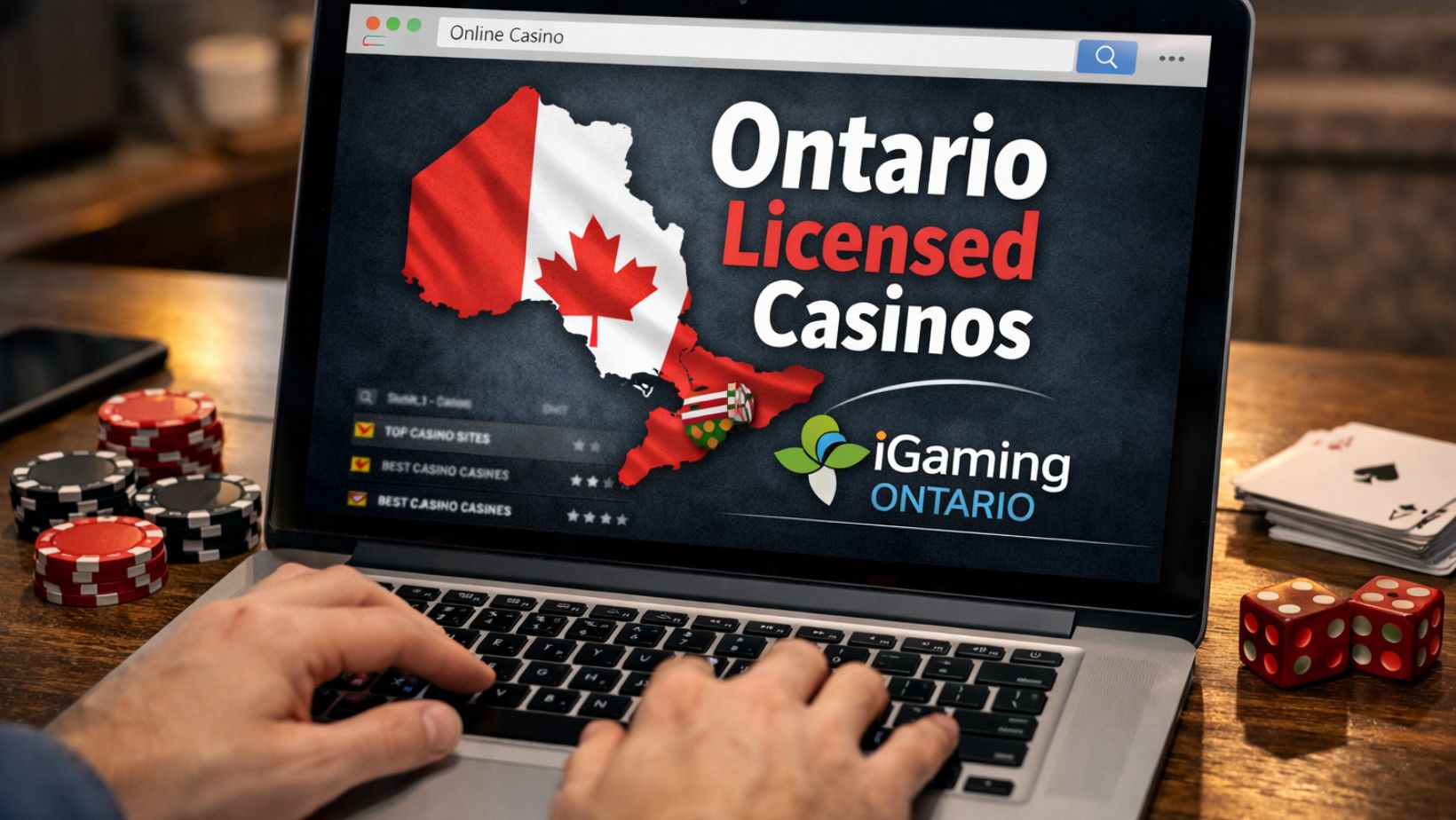
Ontario changed the online gambling game in Canada. When it opened its regulated iGaming market in April 2022, it became the first province in the country to let private operators compete for players alongside the OLG. Today, dozens of licensed casinos operate there legally, but understanding how this system works can be confusing, especially for players trying to tell which sites are actually regulated.
If you are looking to play at an online casino in Ontario, knowing whether a site is properly licensed matters. This is why websites like OntarioLicensedCasinos.ca exist, specifically to help players identify Ontario online casinos that hold a valid license. The site only lists operators that have been approved by the province’s regulators, which takes the guesswork out of finding a legal place to play.
But in this guide, we go more in-depth about the Ontario market itself, explaining how it operates, who oversees it, and what protections are in place for players.
What Is Ontario’s Licensed Casino Market?
A licensed casino in Ontario is an online gambling site that has been approved by the Alcohol and Gaming Commission of Ontario (AGCO) and operates under an agreement with iGaming Ontario (iGO). These aren’t just casinos that accept Canadian players. They’re operators who have undergone a rigorous application process and agreed to adhere to provincial rules.
Before April 2022, Ontarians who wanted to gamble online legally had only one official option: OLG.ca, the provincial lottery corporation’s website. Offshore sites were also available at the time, though they were not regulated by Ontario and did not offer the same level of player protection.
The provincial government decided to open the market for several reasons. First, Ontarians were already spending millions at unregulated offshore sites, and none of that money stayed in the province. Second, players at those sites had no real recourse if something went wrong. By creating a regulated market, the province could capture tax revenue, support local jobs, and give players a safer environment.
The shift to a competitive online gambling market also brought some discussion at the time. When the new iGaming system launched in 2022, some public health groups and experts raised concerns about increased advertising and the potential impact of expanded online gambling. These conversations took place as Ontario moved away from its long-standing OLG-only model and introduced private operators into the market.

However, these concerns, widely covered by CBC.ca, did not slow the rollout of Ontario’s regulated iGaming market. Regulators continued with their plan, and the market has expanded steadily since the launch. Now it has multiple approved operators running many different licensed gaming websites. The market continues to increase too, as new operators enter and others adjust their offerings.
Who Regulates Online Casinos in Ontario?
Two agencies share responsibility for this iGaming market, and understanding their roles helps explain how the system protects players.
The AGCO is the regulator. They write the rules that govern online gambling, issue operating licenses, investigate complaints, and enforce compliance. If an operator breaks the rules, the AGCO has the authority to issue fines, suspend licenses, or remove operators from the market entirely. They’re essentially the referee making sure everyone plays fair.
iGaming Ontario handles the business side. As a subsidiary of AGCO, it signs commercial agreements with operators, collects revenue shares on behalf of the province, and maintains the official registry of legal sites.
Think of it this way: the AGCO decides what the rules are and punishes those who break them. iGO manages the relationships with operators and ensures the province gets its share of the revenue.
This two-agency structure matters for players because it creates accountability. Operators know they’re being watched, and players have somewhere to turn if problems arise.
How Ontario Casino Licensing Works
Getting licensed isn’t simple. Operators can’t just fill out a form and start accepting bets. The process involves extensive background checks, financial audits, and technical reviews.
Before approval, operators must demonstrate they have the financial stability to pay out winnings, the technical infrastructure to protect player data, and the internal controls to prevent fraud and money laundering. Key personnel undergo background investigations to ensure they have no criminal ties or history of misconduct in other jurisdictions.
Once licensed, the requirements don’t stop. Operators must submit to regular audits and compliance checks. Their games must be tested by approved laboratories to verify fairness. Random number generators are examined to ensure results are genuinely random and not manipulated.
The AGCO takes violations seriously. Penalties for non-compliance can be hundreds of thousands per infraction. Operators who repeatedly break rules or commit serious violations risk having their licenses suspended or revoked.
What Makes a Casino ‘Ontario Licensed’?
Identifying a licensed casino is straightforward if you know what to look for.
Every licensed operator displays the iGO logo on their website. This isn’t just a marketing badge. It indicates the casino has an active agreement with iGO and holds a valid AGCO registration. You can verify any operator’s status by checking the official iGO website, which maintains a public directory of all licensed gaming sites.
Licensed casinos also follow strict Know Your Customer (KYC) procedures. Before you can deposit money or play real-money games, the casino must verify your identity. This typically involves submitting government-issued ID and proof of address. While this might feel like a hassle, it serves important purposes: preventing underage gambling, stopping fraud, and complying with anti-money laundering laws.
Who Can Play at Ontario Licensed Casinos?
Licensed casinos in this province have clear eligibility requirements set by AGCO.ca. The following summarises the main points that determine who is eligible to play.
Age: You must be 19 or older to gamble online. This applies to all forms of regulated gambling, including online casinos and sports betting. Licensed operators are required to verify a player’s age during registration. Accounts found to be underage can be closed, and any winnings may be forfeited.
Location: You must be physically located within Ontario’s borders to play. This is about where you are at the time you play. Licensed casinos use geolocation technology to confirm you’re in the province when you log in. If you cross the border into Quebec or travel to another province, you have access to your account but cannot place any bets.
This location requirement exists because the regulations only apply within provincial boundaries. Other provinces have their own rules for online gambling, and Ontario-licensed operators aren’t authorised to accept play from elsewhere in Canada.
Player Protection and Responsible Gambling Tools
One of the biggest differences between licensed casinos and alternatives is the mandatory responsible gambling framework.
Every licensed operator must provide players with tools to manage their gambling. These include:
- Deposit limits: These let you cap how much money you can add to your account daily, weekly, or monthly.
- Loss limits: Set a maximum amount you’re willing to lose over a given period.
- Session time limits: Alert you or automatically log you out after a set duration of play. Cooling-off periods: Allow you to take a short break from gambling, temporarily blocking access to your account.
- Self-exclusion: Lets you ban yourself from all Ontario-licensed casinos for a chosen period, ranging from months to years.
These tools must be easy to find and simple to use. Operators can’t bury them in obscure menus or make the process difficult.
Overall, Ontario’s regulated market has created an environment where online casinos operate under clear rules and ongoing oversight. For players, this means there are plenty of options to choose from, all of which are monitored, tested and expected to meet provincial standards. Because of this structure, licensed Ontario casinos have become the most straightforward and reliable option for anyone looking to play online in the province.


Why Load Times Matter As Much as Graphics on Mobile Slots

Protecting the American Home: Why EcoShield Puts Families First

More People Are Choosing Barefoot Shoes for Better Foot Health and Natural Movement

Beyond Treatment: Supporting Strength and Wellbeing During Esophageal Cancer Care

Why Skill-Based Prize Competitions Are Becoming a Popular Weekend Hobby

The Digital Town Square: Why Inclusive Social Spaces are the Future of Online Connection

From temple floor to living room: the story behind an antique Buddha statue

The New Rules of Office Wear? Why Personal Style Is Finally Leading the Workplace

Siding Repair: How to Know When You Need It (and When You Don’t)
