
What Poker Streamers Can Teach You About Focus And Resilience

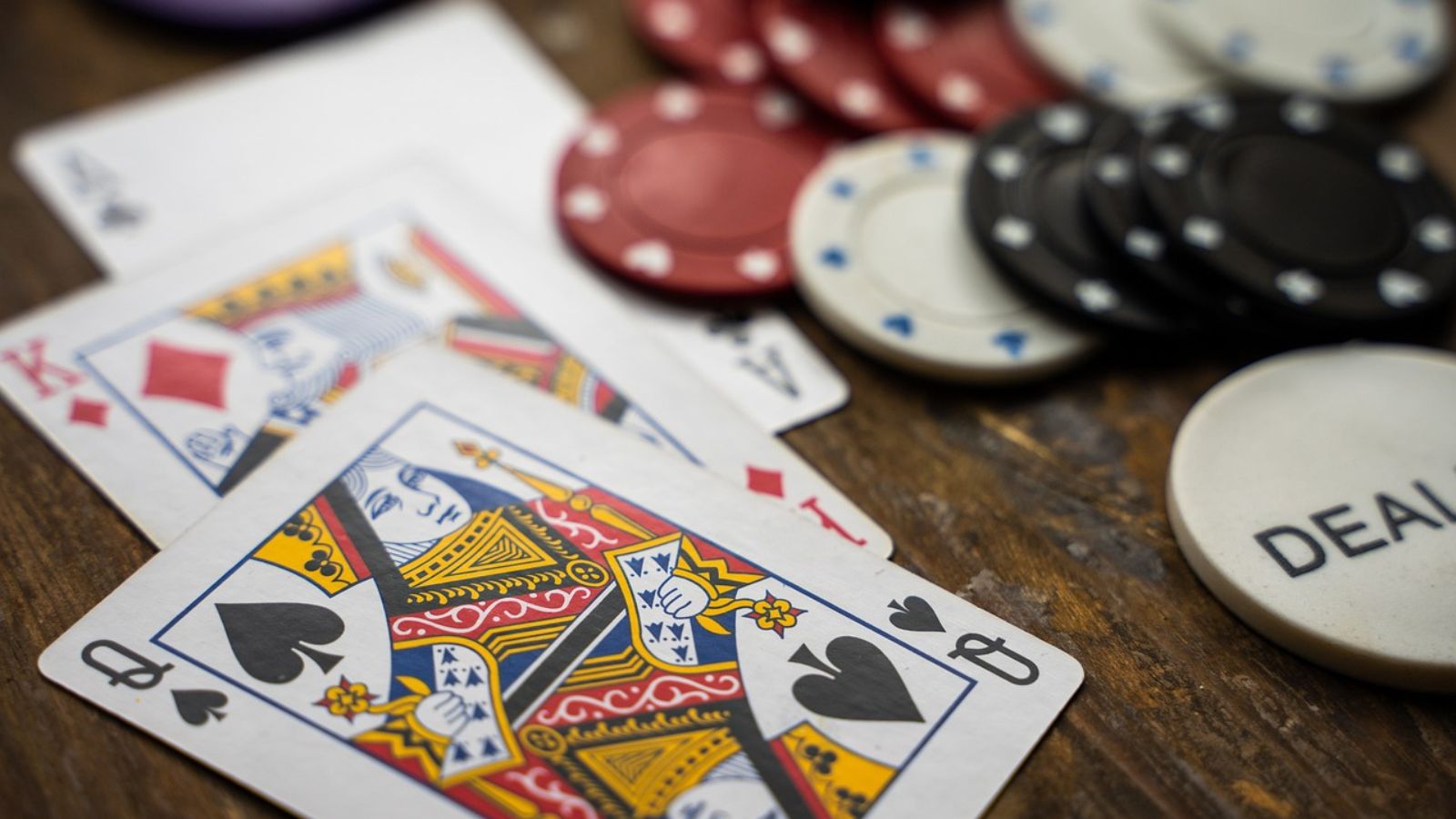
Poker streamers aren’t just playing cards – they’re mastering focus and resilience in real time, often under intense pressure. Watching them, you’ll notice patterns: structured routines, mental discipline, and strategies that keep them in the game. Developing these skills requires choosing the most favorable environment i.e. one of the best poker sites that offer a mix of soft competition and high traffic, useful extra bonuses and rewards, and secure banking (source: https://www.pokerscout.com/canada/). Using these and applying the best lesson from poker professionals guarantees a sharp mind and a full pocket.
Establishing A Consistent Routine
A consistent routine is crucial for poker players looking to enhance focus and resilience. Tom Fuchs, a German poker pro, starts all his days at the same time, with coffee and news, followed by studying poker theory and exercising. Afternoons are reserved for meal preparation, ensuring he has nutritious food ready for his lengthy evening sessions. This structured regimen provides the stability necessary for the mental demands of poker.
This structure fosters a sense of self-discipline and mental clarity. Regular study sharpens strategy, exercise boosts endurance, and meal prep reduces distractions. By adopting a similar approach, players can create an environment that supports sustained focus and long-term success at the table.
Minimizing Distractions
In the digital age, smartphones are a significant source of distraction. Studies indicate that merely having a phone within sight can impair focus, as part of the brain remains preoccupied with resisting the urge to check it. Joe Ingram, a seasoned poker professional, emphasizes the importance of setting aside phones to maintain an edge over opponents who remain glued to their screens. This simple yet effective strategy allows players to fully engage with the game, leading to more informed decisions and improved performance.
Creating a dedicated, distraction-free environment is equally vital. This involves silencing electronic devices, closing unnecessary browser tabs, and informing those around you of your need for uninterrupted time. By minimizing potential interruptions, players can sustain a heightened level of focus, leading to better performance and decision-making during sessions.
Embracing Continuous Learning
Fedor Holz, a prominent figure in the poker world, attributes his rapid ascent to a commitment to continuous learning. He emphasizes the importance of analyzing past performances to identify areas for improvement. Holz believes that regularly reviewing and reflecting on gameplay decisions is crucial for personal growth and success at the poker table.
Similarly, Daniel Negreanu, another esteemed poker professional, underscores the necessity of dedicating time to study away from active play. He recommends allocating at least 20% of one’s poker time to studying various aspects of the game, including different poker variants and strategic approaches. Negreanu also highlights the value of learning from other players and utilizing technology to analyze and enhance one’s skills.
Practicing Mindfulness And Controlled Breathing
Maintaining composure during intense poker sessions is crucial for optimal performance. Professional players often incorporate mindfulness practice to stay present and focused. By concentrating on the current hand and observing thoughts without judgment, they can manage emotional responses effectively, preventing tilt and enhancing decision-making. Daniel Negreanu advises taking three to five deep breaths after a bad beat to center oneself and alleviate anxiety.
Controlled breathing exercises, such as the 4-7-8 technique – inhaling for four seconds, holding for seven, and exhaling for eight – are commonly used to regulate stress and maintain calmness. Implementing these practices enables players to navigate high-pressure situations with greater clarity and resilience, ultimately improving their overall gameplay.
Developing Emotional Resilience
Emotional resilience is a cornerstone of success in poker, enabling players to navigate the game’s inherent volatility. Maria Konnikova, a psychologist turned professional poker player, emphasizes the importance of managing emotions to maintain strategic clarity. She highlights that recognizing and controlling emotional responses, such as frustration after a bad beat, is crucial to avoid ’tilt’ – a state where emotions impair decision-making.
By staying present and composed, players can better handle stress, leading to improved performance and longevity in the game. Ultimately, mastering emotional resilience not only elevates one’s poker game but also serves as a valuable skill in life’s broader challenges.


Tax Help in Raleigh: Understanding North Carolina’s Tax Enforcement

A Good Canadian Casino Review Tests Player Choice, Not Just Bonuses

Ecommerce Shipping Math: From CBM Calculation to Overnight Delivery Costs

Top 7 Fine Art Printing Services for Family Memories

Beyond the Screen: Surprising Facts About Smart Appliances and the Hidden Cost of IoT Home Ownership

What Canadians Actually Look for in an Online Casino These Days

How To Load Test A Website From Different Locations And Ip Addresses

10 Simple Ways to Improve Your AI-Generated Videos in a Connected Workspace

Professional Translators Are the Smartest Investment for Business Growth Today
