Latest Trends
Tools That Make Independent Living More Realistic

For older adults or those with mobility challenges, maintaining independence at home is both a practical and emotional priority. While physical limitations may increase with age, the right tools can help individuals carry out daily tasks safely and without relying on constant assistance. Below are the most effective tools that genuinely support independent living.
Mobility Aids That Allow Solo Movement
Maintaining the ability to move safely around the home is essential for independence. Tools such as walking frames, rollators, and forearm crutches provide support while walking, reducing the risk of falls and allowing users to navigate rooms, hallways, and outdoor areas without supervision.
Many models include built-in seats and storage compartments, which help individuals rest when needed and carry personal items without help. Products such as those from Safety & Mobility assistive products and support solutions cater to varying mobility levels and home layouts, supporting users in staying active and self-reliant.
Bathroom Tools That Enable Safer Hygiene Routines
The bathroom presents real risks for anyone with limited balance or strength. Tools like shower stools, grab rails, and raised toilet seats empower individuals to bathe and use the toilet with greater confidence.

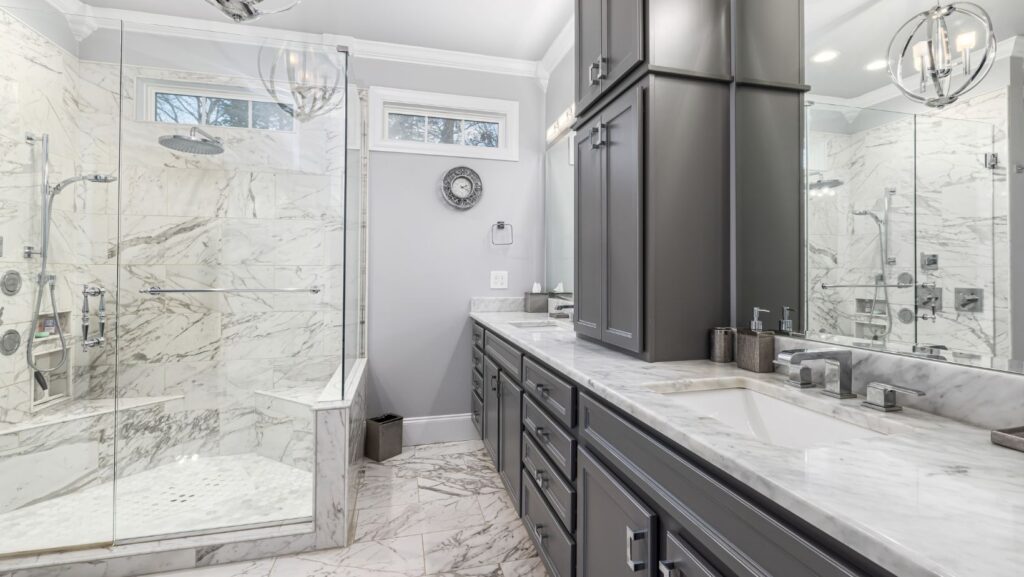
Long-handled sponges, tap turners, and non-slip mats also support safer hygiene without the need for hands-on assistance. These devices enable users to maintain personal care routines with dignity and reduced risk of injury.
Bedroom Tools That Support Independent Routines
Getting in and out of bed, reaching for items, or managing medication can be difficult without assistance. Tools like bedside rail organisers, over-bed tables, and adjustable lamps enhance independence in the bedroom.
For individuals who struggle with reaching or bending, grabber tools and bed wedge pillows make it easier to perform morning and evening routines. These solutions reduce the need to call for help and support uninterrupted rest and comfort.
Monitoring Devices That Reinforce Confidence
Independence doesn’t mean being completely alone. Personal emergency response systems (PERS), fall detection devices, and bed exit alarms offer peace of mind while allowing individuals to stay in control of their day-to-day lives.
These tools are unobtrusive and can often be worn or placed discreetly, with automatic alerts sent to family members or carers if something goes wrong. By reducing the need for constant physical presence, they support both privacy and safety.
Kitchen Tools That Make Meal Preparation Easier
Cooking is often one of the first daily tasks that becomes challenging. Fortunately, a wide range of adaptive kitchen tools is designed for independent use. Kettle tippers, lightweight pans, and easy-grip utensils allow users to prepare meals without strain.
Other helpful tools include jar openers, chopping boards with stabilising features, and stove knob turners—all of which make it safer to work in the kitchen. These tools reduce reliance on others and help individuals continue cooking at their own pace.
Practical Tools That Preserve Independence
Independent living is made possible not just through determination, but through access to the right support tools. From bathroom safety aids to kitchen utensils and mobility equipment, each tool contributes to a safer, more self-sufficient lifestyle. When chosen carefully, these tools empower individuals to stay in their own homes longer—comfortably, confidently, and with dignity.