Latest Trends
Fall Essential Oil Blends: Seasonal Formulation Ideas for Wellness Brands

Seasonal product design is always more than just coming up with an idea. It drives consumer purchase consideration, repurchasing, monetizing and cultivating consumer loyalty. For relaxation brands, wellness and new product launches are always better for autumn. It is associated with comfort and warmth, grounding, earthy aromas, autumn spices, and rituals. Relaxation brands can evoke these feelings and convert these emotions and feelings into products by incorporating fall essential oil blends.
Wellness brands position themselves as unique and innovative, particularly with rare botanicals and seasonal launches. When combined with great storytelling, limited-edition gift wrapping, and smart marketing, these blends can enhance seasonal revenue while amplifying brand equity.
In this article we will discuss decisive steps for relaxation brands aspiring to design, promote, and gain revenue from fall essential oil blends.
As a Growth Strategy, Fall Essential Oil Blends
Customers are ready to buy seasonal products, and most products tend to be seasonal to environments and lifestyles. Unlike evergreen products, the fall blends have the advantage of urgency–the customers know they are a limited edition, and therefore, the decision-making time is much quicker.
As for the business, fall blends:
- Creates limited-time offers for promotions
- Promote cross-category multi-SKU purchases (candles and skincare, and bath, etc.).
- Widen the narrative around warmth, reflection, and ritual.
- Separate a brand portfolio in dense markets.
- Defend premium pricing with rare oils.
When done properly, seasonal blends not only boost sales, but also help a brand build deeper bonds with wholesale clients, distributors, and retailers.
Core Aromatic Directions for Fall.
Blends should resonate with the customers and help the brand stand out in the market, focusing on the right amount of innovation and familiarity.
- Warming and Spicy Oils: Cinnamon, clove, and ginger oil provide comforting and energizing aromas that evoke celebration and fall kitchens.
- Woody and Grounding Oils: Cedarwood, sandalwood, and vetiver help the seasonal blends with their stability, longevity, and depth.
- Citrus Brightness: Sweet orange, bergamot, and mandarin lighten dense notes and ensure balance of the blends.
- Herbal and Earthy Accents: Sage, rosemary, and patchouli with calamus oil complexity the profile of the blends, which helps position the blends as exclusive and sophisticated.

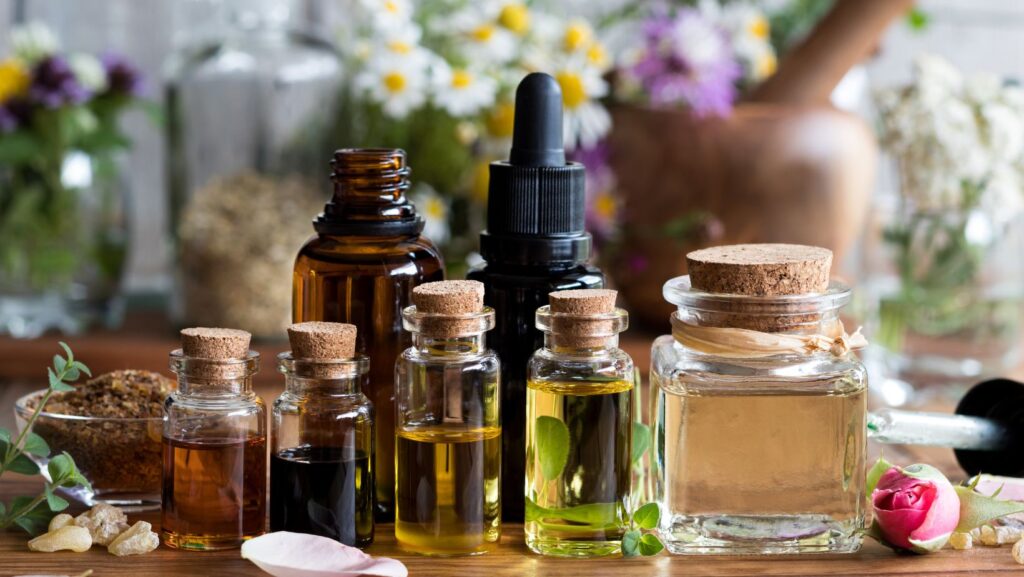
For example, Calamus oil, coming from the roots of Acorus calamus, has a slightly odorous and warm, fragrant, bold, oily oil. Its complexity makes it an outstanding oil for products meant for the Fall season, even if the oil is not commonly present in wellness products.
Fall Formulation Ideas for Wellness Brands
- Candles And Diffusers For Aromatherapy
Consumers always come back for seasonal products, and remain on look out all year long. But this can only be achieved by creating a winning formula which creates a strong, loyal clientele and can boost revenues from repeat sales.
Blend Concept:
- Sweet Orange – 4 parts
- Ginger – 3 parts
- Cedarwood – 2 parts
- Calamus Oil – 1 part
This oil blend provides balance by offering a sophisticated, warm, and earthy comfort, that makes it great for a high-end home fragrance.
- Balms and Body Oils
Fall inspired blends can change any routine skincare into a treatment. For example, as the air turns chilly, the demand for a good barrier repairing moisturizer surges and seasonal product lines can especially target this market.
Blend Concept
- Jojoba Carrier Oil
- Clove – 2 parts
- Sandalwood – 2 parts
- Calamus Oil – 1 part
This formulation is for Body care, it provides great balance and warmth with a complex, refined touch that meets the demand for premium products.
- Treatments for the Spa and Bath, plus Bath Soaks
Consumers now wish for products that are more ritualistic in nature. Seasonally inspired, these bath soaks promote relaxation, while offering a great feeling of comfort and luxury.
Concept Blend
- Epsom Salt base
- Bergamot – 3 parts
- Patchouli – 2 parts
Targeted as a grounding autumn soak, this blend has appeal in both direct-to-consumer marketing as well as in professional spa environments.
- Skincare and Personal Care
Calming Autumn skincare should emphasize comfort and nourishment while maintaining seasonal aromatic cues.
Concept Blend
- Shea Butter base
- Lavender – 3 parts
- Frankincense – 2 parts
This blend has rich seasonal depth and balances calm, making it ideal for limited edition creams or scrubs.
B2B Positioning and Marketing for Profit
To maximize return on investment, formulation should be preceded with a planned seasonal marketing push.
- Utilize Narratives for Integration
Addition of exotic essential oils such as Calamus oil adds authenticity to a story as an “heritage-inspired” ingredient. Consumers love stories that revolve around fall grounding, gathering, and reflection rituals.
- Strategy for Editions with Limits
Campaigns like “This Fall Only” emphasize unilateral access to products to increase brand urgency, desirability, and exclusivity.
- Collections with a Captivating Theme
Apply one fall blend to multiple products (balms, lotions, candles) to encourage collection purchasing. Recognition and brand loyalty will flourish with seamless seasonal offerings.
- Education for Buyers
Prepare some documentation for wholesale buyers and spa owners who articulate the importance of each ingredient. For instance, explaining how calamus oil adds complexity prepares them for more sophisticated upselling.
Rare Oils and Luxury Positioning
For brands catering to a premium audience, rare oils are extremely valuable points of difference.
- Exclusivity: Rare oils create an impression of refinement.
- Premium Pricing: The absence of such oils in the marketplace justifies higher price points.
- Heritage Storytelling: Oils linked to cultural customs appeal to consumers yearning for a genuine connection.
To gain entry to the higher end of the wellness market, brands should contemplate limited-edition “luxury lines” incorporating rare oils, both available online and in retail outlets.
Capturing Expanding Market Opportunities
Seasonal blends are adaptable for various channels:
- E-commerce: Curated fall collections and seasonal gift bundles.
- Retail: Endcap displays or pop-up promotions featuring fall collections.
- Spas and Salons: Seasonal aromatherapy treatments that elevate service differentiation.
- Private Labeling: Customized fall blends for subscription boxes and boutique retailers.
Implementing a strategic diversification of distribution channels enables brands to maximize profits and reach for fall seasonal products.
Practical Business Takeaways
- Early action: Each seasonal launch necessitates research and development, as well as effective marketing strategies, which are best integrated several months in advance.
- Exclusivity: Blend familiar and unique notes, such as calamus oil and other increasingly rarer notes, for innovation.
- Limited Edition: Build brand prestige through exclusivity by offering limited editions to create a sense of urgency.
- Educate Buyers: Understanding the narrative behind the seasonal blends helps partners and resellers sell better.
- Think Cross-Category: Deepen recognition and impact by expanding blends into multiple product lines.
Conclusion
Anticipation and consumer loyalty can be cultivated by expanding the product offerings to include limited edition collections. For wellness brands, fall season presents much more than just a time of the year. Blending popular spice and citrus oils with rarer botanicals like calamus oil helps brands differentiate their product and stand out in the crowded marketplace, all the while enhancing the brand story.
There is formulation and marketing, which include storytelling, exclusivity, cross-category cohesion, and premium positioning. For brands, the fall blends of essential oils isn’t merely about the scent. It’s the desire to create a sensory experience that consumers can indulge in year after year that drives the investment.