Latest News
The Vertical Revolution: How Home Elevators Are Redefining Modern Living in 2026

The concept of a “better world” often begins with a better home. As we move through 2026, the definition of a modern, sustainable residence has shifted. It is no longer just about solar panels and smart thermostats; it is about how a home adapts to the people living within its walls. We are currently witnessing a vertical revolution in residential architecture—one where the staircase is no longer the only way to navigate a multi-story life.
Once considered a niche luxury for the ultra-wealthy, home elevators have transitioned into a cornerstone of “Universal Design.” Driven by a combination of demographic necessity and technological innovation, these systems are helping Californians and homeowners across the globe future-proof their most significant investments.
The Silver Tsunami and the Logic of Aging in Place
The primary driver of this shift is the “Silver Tsunami.” This year, 2026, marks a major milestone as the first of the Baby Boomer generation turn 80. According to the latest projections from the U.S. Census Bureau, the number of Americans aged 65 and older is growing faster than any other age group, and the vast majority have a clear goal: aging in place.
Staying in a beloved family home isn’t just a sentimental choice; it’s a pragmatic one. The CDC reports that falls remain a leading cause of injury among older adults, with staircases representing the most significant hazard in a multi-story residence. By removing the “stairs barrier,” homeowners are proactively addressing safety concerns before they become emergencies.
The Financial Case for Home Lifts
When compared to the skyrocketing costs of assisted living facilities—which can easily exceed $50,000 per year—the one-time investment in home accessibility is a financial masterstroke. Modern real estate data shows that “forever homes” equipped with vertical transport are seeing a higher return on investment (ROI). Appraisers are increasingly recognizing that an elevator doesn’t just add luxury; it expands the property’s potential buyer pool to include multi-generational families and retirees.
Engineering a Smarter, Sustainable Lift
The bulky, hydraulic cages of the past have been replaced by sleek, energy-efficient masterpieces. The biggest trend in 2026 is the rise of the “shaftless” model. These units require minimal structural modification, allowing them to be retrofitted into existing homes without the need for a deep pit or a separate machine room.

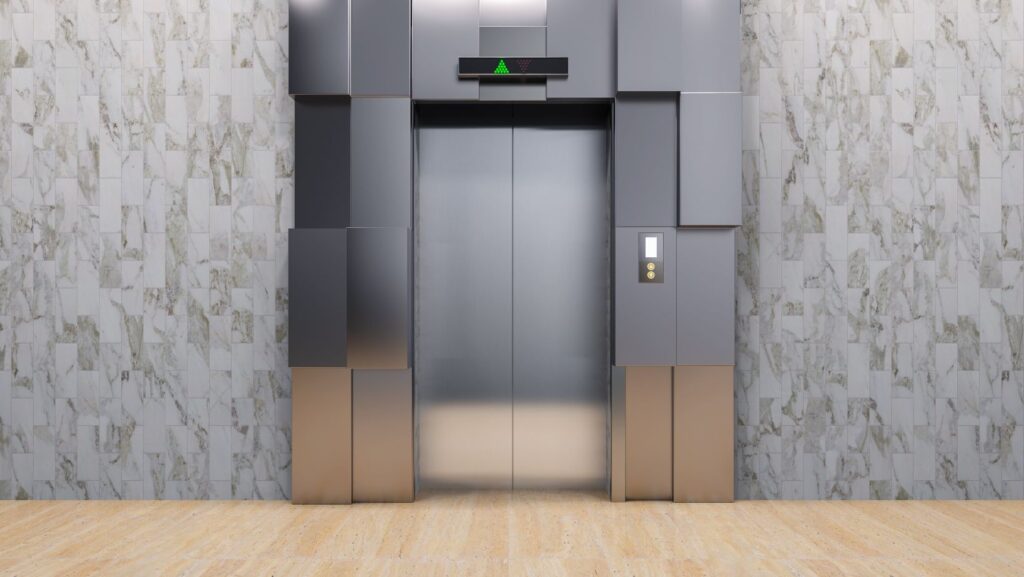
For those looking to integrate these features, selecting a high-quality mobility residential elevator has become the gold standard for blending functionality with high-end aesthetics. These modern systems often utilize “regenerative drive” technology, which captures energy during the lift’s descent and feeds it back into the home’s electrical system—a perfect fit for the eco-conscious homeowner.
Universal Design Beyond Mobility
While the “mobility residential elevator” is a game-changer for seniors, its utility extends to every member of the household. We are seeing a surge in “Quiet Luxury” home design where the elevator serves a variety of everyday purposes:
- Convenience: Effortlessly moving heavy luggage, groceries, or laundry between floors.
- Multi-Generational Living: Making a third-story guest suite accessible for visiting grandparents.
- Injury Prevention: Providing a reliable backup for family members recovering from sports injuries or surgeries.
2026 Market Trends: The Rise of the Retrofit
The global home elevator market is projected to reach a valuation of approximately $3.8 billion by the end of 2026, according to Future Market Insights. Interestingly, the growth is not just in new construction but in the “retrofit” segment.
Advanced woodworking and CNC-routing technologies now allow elevator cabs to be finished with sustainable materials like reclaimed timber or bamboo, ensuring they match the biophilic design trends currently dominating the interior design world. This ensures that the elevator feels like a natural extension of the home’s personality rather than a clinical after-thought.
The Intersection of Smart Tech and Safety
In 2026, a home elevator is effectively a “smart” appliance. Integrated with IoT platforms, modern lifts can be called via smartphone apps or voice commands through Alexa or Google Home. They feature AI-driven diagnostic tools that monitor wear and tear in real-time, alerting homeowners to maintenance needs before a mechanical issue ever arises.
Safety features have also reached a new pinnacle. Battery backup systems ensure that a power outage won’t leave a passenger stranded between floors, and advanced sensors can detect obstacles with millimetric precision, making them safer than ever for homes with small children or pets.
Elevating the Human Experience
Ultimately, bettering the world starts with creating environments that support human dignity and independence. The vertical revolution is more than a construction trend; it is a shift in how we value our time and our safety. By embracing these innovations, we are building a world where the physical limitations of a building no longer dictate the quality of a life lived within it.
Whether you are looking to increase your property value or ensure that you never have to leave the home you love, the move toward vertical mobility is the smartest way to rise to the occasion.