Latest News
The Link Between Emotional Wellness and Physical Health

When people think about health, they often picture fitness routines, balanced meals, or medical check-ups. Even though that’s not entirely wrong, real well-being depends on more than having a strong body. Research from the American Psychological Association (APA) and Harvard confirms that stress, depression, and poor emotional regulation can harm cardiovascular, immune, and metabolic health.
Safe and Secure Relationships Are Key
A key part of emotional wellness comes from meaningful connections. For example, having a safe and secure relationship provides trust, stability, and comfort. The bond between emotional health and physical well-being is clear, and professionals like Kelleheler International continue to emphasize how nurturing close ties contributes to long-term vitality.
Experts have found that significant others’ support greatly reduces stress levels and improves mental well-being through lowered perceived stress. By contrast, isolation and loneliness increase the risk of heart problems, fatigue, and inflammation. Healthy romantic relationships often bring physical affection, which has been shown to reduce anxiety, depression, and boost the immune system function. The emotional support and encouragement found in these bonds help partners cope with life’s challenges more effectively.
Stress, The Enemy of The Body
Stress, one of the most common emotions, is one of the clearest examples of the link between emotions and physical health. When pressure builds without relief, the body stays in a constant “fight or flight” state. Research from the American Institute of Stress confirms that when the level of hormones like cortisol remains high, it can cause damage to the cardiovascular system, interfere with sleep, and strain the immune response. Chronic stress is also associated with headaches, digestive problems, and fatigue.
Prolonged emotional strain can sometimes lead individuals to adopt unhealthy coping mechanisms, which can further impact both mental and physical health. For example, during withdrawal from addictive substances, such as detoxing from cocaine, marijuana, heroin or similar, individuals often face intense physical and emotional symptoms, underscoring the deep connection between emotional distress and physical health.
On the other hand, maintaining a calmer emotional state benefits the body. Practices such as deep breathing, meditation, or simply writing thoughts down can reduce tension and lower stress hormones. Even developing a hopeful outlook can support recovery during illness or after injury, because the body heals better when emotions are not under constant strain.
The Importance of Hormones
With exercise, nutritious food, and good rest, mental clarity and emotional balance often improve. Physical activity triggers the release of endorphins, which act as natural painkillers and reduce discomfort, while serotonin helps stabilize mood and promote feelings of well-being and happiness. At the same time, practices like mindfulness, meditation, and adequate sleep nurture mental calm and resilience, which help the body function better.

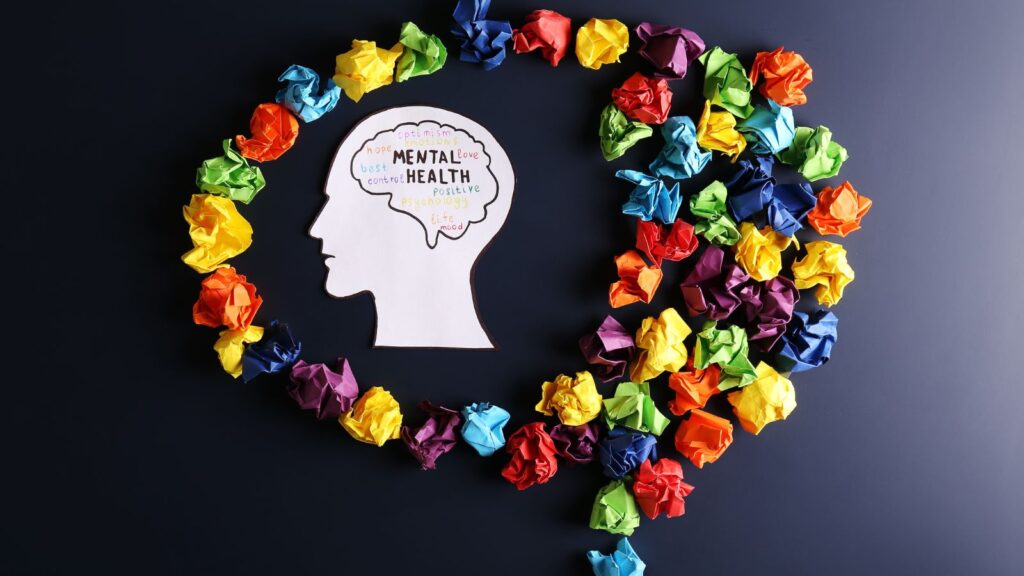
Simple lifestyle changes such as taking daily walks, maintaining consistent sleep schedules, eating balanced meals, and carving out moments for relaxation can all contribute to maintaining this balance. Regular exposure to natural light and spending time outdoors can boost serotonin levels, further enhancing mood and emotional balance. Meanwhile, cultivating close social bonds can increase oxytocin production, which supports trust and reduces anxiety.
Physical Activity, The Body’s Best Friend
Research shows a strong positive connection between regular physical activity and improved mental health among university students. For example, a 2025 study by Mohammad Ahsan and Turki Abualait found a significant relationship between physical activity and reduced symptoms of anxiety and depression in a sample of 265 university students in Saudi Arabia.
By taking simple, consistent steps, such as creating secure relationships, practicing stress-reduction techniques, and maintaining physical activity, individuals can create a positive cycle that strengthens both mind and body. Together, these small but steady choices pave the way for lasting resilience, balance, and overall well-being.